Hey there! I’m a supplier of lifting points, and I often get asked, "What is the definition of a lifting point?" Well, let’s dive right into it. Lifting Point
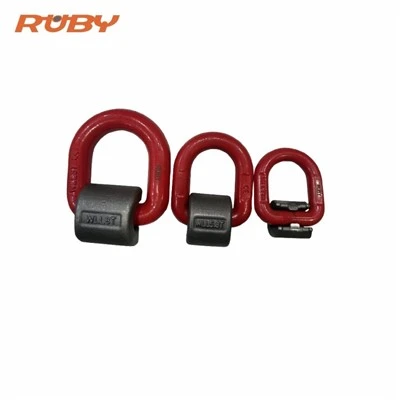
A lifting point is basically a device or a location designed to attach a lifting mechanism, like a crane or a hoist, to an object that needs to be moved. It’s the crucial link between the lifting equipment and the load. You can think of it as the handshake that allows the lifting gear to grab hold of the thing you want to lift safely and efficiently.
There are all sorts of lifting points out there, and they come in different shapes, sizes, and materials depending on what they’re going to be used for. Some are simple eye bolts, which are just bolts with a loop at one end. You screw these into a pre – drilled hole in the load, and then you can hook up your lifting chain or rope to the loop. They’re pretty common for light – duty lifting jobs, like moving small machinery or equipment around a workshop.
Then there are lifting lugs. These are usually welded onto the object. They’re stronger than eye bolts and can handle heavier loads. Lifting lugs are often used in construction and manufacturing when you’re dealing with large steel structures or heavy components. They’re designed to be more permanent and can withstand a lot of stress.
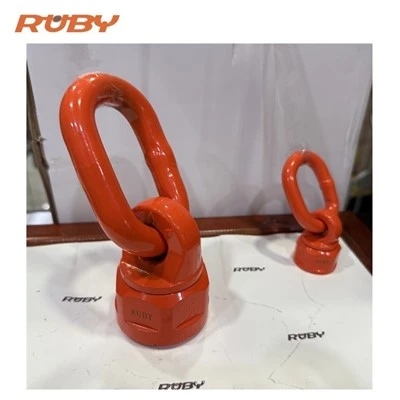
Another type is the swivel lifting point. As the name suggests, it can swivel. This is really handy because it allows the load to move freely during lifting, reducing the risk of the load getting twisted or damaged. Swivel lifting points are great for loads that need to be maneuvered into position precisely, like in the aerospace or automotive industries.
Now, why are lifting points so important? Safety is the number one reason. Using the right lifting point ensures that the load is evenly distributed and secure during lifting. If you use a lifting point that’s not strong enough or not properly installed, it can lead to some serious problems. The load could fall, causing damage to the equipment, the surrounding area, and even endangering the lives of the workers.
For example, let’s say you’re trying to lift a heavy piece of machinery with an eye bolt that’s rated for a much lighter load. The eye bolt might snap under the weight, and the machinery could come crashing down. That’s a disaster waiting to happen. So, it’s crucial to choose the right lifting point based on the weight, shape, and center of gravity of the load.
As a lifting point supplier, I’ve seen all kinds of situations. I’ve had customers come to me with problems because they didn’t understand the importance of using the correct lifting point. One time, a small manufacturing company was using the wrong type of lifting lugs for their steel frames. The lugs were cracking under the stress, and they were lucky they didn’t have a major accident. After we helped them switch to the right lifting points, their lifting operations became much safer and more efficient.
When it comes to choosing a lifting point, there are a few things you need to consider. First, you need to know the weight of the load. This is called the working load limit (WLL). You should always choose a lifting point with a WLL that’s higher than the weight of the load you’re going to lift. It’s better to have some extra capacity for safety.
The shape of the load also matters. If the load is irregularly shaped, you might need multiple lifting points to ensure it’s balanced. For example, if you’re lifting a long, thin beam, you’ll probably need at least two lifting points at either end to keep it level.
The environment where the lifting is going to take place is another factor. If it’s a corrosive environment, like a chemical plant or a coastal area, you’ll need to choose a lifting point made of a corrosion – resistant material, like stainless steel.
As a supplier, I’m here to help you make the right choice. I’ve got a wide range of lifting points in stock, from simple eye bolts to heavy – duty lifting lugs. I can also provide advice on installation and maintenance. We test all our products to make sure they meet the highest safety standards.
I know that finding the right lifting point can be a bit confusing, especially if you’re not familiar with all the technical details. But don’t worry, I’m here to guide you through the process. Whether you’re a small business owner looking to move some equipment around your shop or a large construction company working on a big project, I’ve got the solutions for you.
If you’re in the market for lifting points, or if you have any questions about what type of lifting point is right for your needs, don’t hesitate to reach out. I’m always happy to have a chat and help you find the best lifting point for your situation. We can discuss your project, go over the specifications, and come up with a plan that works for you.
In conclusion, a lifting point is a vital part of any lifting operation. It’s the key to ensuring the safety and efficiency of moving heavy loads. By choosing the right lifting point and using it correctly, you can avoid accidents and make your lifting jobs go smoothly. So, if you’re thinking about a lifting project, give me a call and let’s get started on finding the perfect lifting point for you.
Weldable Lifting Lugs References:
- "Lifting Equipment Handbook" by John Ridley
- "Safety in Lifting Operations" published by the Occupational Safety and Health Administration
Hangzhou Ruby Imp. & Exp. Co., Ltd.
As one of the most experienced lifting point manufacturers and suppliers in China, we offer a wide range of products with superior quality. We warmly welcome you to wholesale custom made lifting point at competitive price from our factory.
Address: Taoyuan Industrial Park, Puyang Town, Xiaoshan, Hangzhou, Zhejiang, China.
E-mail: Sales5@z2lifting.com
WebSite: https://www.rubylifting.com/
