Hey everyone,
If you’ve ever worked with outdoor security or farm fencing, you’ve probably seen diamond fence mesh around—those flexible, twisted wire panels that look like little diamonds all strung together. But if you’ve ever wondered, “Wait, how stretchy is this stuff? Is it actually strong enough for what I need?” you’re in the right spot. As a diamond fence mesh supplier, I get this question all the time from farmers, construction foremen, and even DIY folks fixing their backyard enclosures. So let’s break down the elasticity of diamond fence mesh in plain terms—no textbook jargon, just real-world stuff that matters. Diamond Fence Mesh
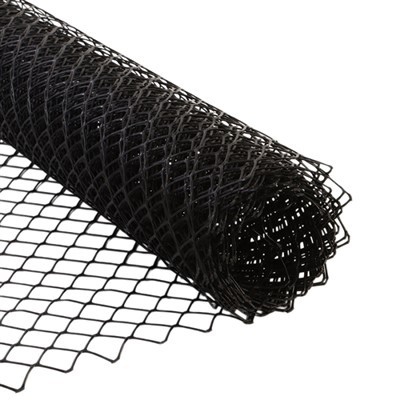
First, let’s make sure we’re on the same page: elasticity here isn’t the same as, say, a rubber band that bounces back to its original shape after you stretch it. For metal fence products, elasticity usually refers to how much the material can bend or stretch without getting permanently warped or breaking. Diamond fence mesh is mostly made from galvanized steel wire, right? That zinc coating is there to stop rust, but the steel underneath is the main star when it comes to strength and stretch.
Now, what’s the actual number we talk about when it comes to elasticity for steel wire? Most standard diamond fence mesh uses wire with a yield strength of around 30,000 to 50,000 psi (pounds per square inch). Wait, let me translate that: yield strength is the point where the metal stops bouncing back. So if you pull the mesh until it hits 30k psi, it’ll stretch a tiny bit (like, less than 1% of its total length) but go back exactly how it was. Push it past that—say, to 60k psi—and you get permanent stretch, or worse, the wire might snap. That’s key because no one wants a fence that droops after a year of cows leaning on it or a wind storm slamming into it.
But here’s the thing: elasticity isn’t just about the wire itself. The diamond shape of the mesh makes a huge difference too. Think of a flat sheet of steel wire vs. a diamond panel—when you push or pull the edges, those diamond loops can adjust, right? Like, if you pull both ends of a diamond panel a little, the diamonds get a tiny bit bigger, and that lets the whole panel stretch a bit more than a straight wire would. But how much more? Usually, the total elasticity for a standard 4ft tall diamond fence mesh panel is around 2-3% elongation before it hits that yield point. That’s more than enough for most uses, but let’s be honest—if you’re using it to pen 2,000lb bulls, even that 2% might feel like a lot if the mesh isn’t heavy-duty.
I’ve seen so many customers mix up “elasticity” with “durability,” and that’s a mistake. Durability is how long it lasts; elasticity is how much it can move without breaking. For example, a residential backyard fence for dogs doesn’t need super high elasticity—you just need it to hold up to puppy zoomies and kids climbing. But a farm fence for horses? They’re jumpers, so you need a little give so if a horse hits it by accident, the mesh doesn’t snap (which can cause a dangerous injury). That’s where the diamond shape’s elasticity comes in handy—its gentle stretch absorbs impact instead of transferring it straight to the posts.
Wait, let’s talk about what affects elasticity, because not all diamond fence mesh is the same. First, wire gauge: thicker wire (lower number, like 12-gauge vs. 16-gauge) has lower elasticity. Thinner wire stretches more, but it’s also easier to bend or break. Second, the coating: if you get a vinyl-coated diamond fence mesh instead of just galvanized, the vinyl adds a tiny layer that can make the surface a little less stretchy, but don’t worry— it doesn’t mess with the steel’s core elasticity much. Third, the mesh size: smaller diamonds (like 2×2 inches) have less give than bigger diamonds (like 4×4 inches). That makes sense—bigger diamonds have more room to shift without putting pressure on the wire itself.
I had a customer last year, a small-scale farmer, who bought a cheap diamond fence mesh from a no-name supplier. He put it up for his goats, and within a month, parts of the fence were sagging and the diamond shapes were all warped. Why? Turns out the wire they used was only 20,000 psi yield strength—way lower than standard. That means it stretched way past its yield point, so it never went back to normal. He came to me after, and we swapped it for our heavy-duty 14-gauge mesh, which has 45,000 psi yield strength. A year later, that fence is still tight, no sagging. So elasticity isn’t just a random number—it’s what keeps your fence working long-term.
Another common question: can I increase the elasticity of diamond fence mesh? Honestly, not really once it’s made. But you can work with it to make it more flexible in installation. For example, when you’re stretching the mesh between posts, don’t yank it as tight as you can. Leave a little slack (around 1-2 inches per 8ft post) so it has room to move in wind or if animals lean on it. If you stretch it too tight, even mesh with good elasticity will hit its limit and snap. I’ve seen installers do this wrong—they pull the mesh so tight the posts bend—and then they’re confused why the fence fell apart after the first big storm.
What about if you need diamond fence mesh for something with higher elasticity needs? Like, a temporary construction barrier that needs to bounce back after being bumped by equipment? We make a flexible diamond mesh panel for that too—uses slightly thinner wire with a lower yield strength, so it stretches up to 5% before permanent deformation. It’s not for permanent fences, but it’s perfect for temporary use where you don’t want it to break on impact.
Wait, let’s clear up a myth: some people think diamond fence mesh is super elastic like a trampoline, but that’s not true. Trampolines use spring steel, which has way higher elasticity. Diamond fence mesh is steel wire, so it’s rigid but has a little give. It’s not going to stretch 10% and bounce back—if you do that, you’re either stretching it until it breaks or bending it so bad it’s useless. The elasticity is just enough to handle normal wear and tear, not extreme abuse.
So why does this matter to you? If you’re buying diamond fence mesh, don’t just look at the price. Ask about the wire gauge, yield strength, and mesh size. If it’s too cheap, it’s probably got low elasticity, which means it’ll warp or break fast. As a supplier, I tell all my customers: elasticity is a safety factor. For livestock, it prevents injuries. For construction, it keeps barriers intact. For residential fences, it means you don’t have to repair it every year.
I know a lot of suppliers will just say “our mesh is strong” without breaking down the elasticity, but that’s not helpful. We’ve been doing this for years, so we’ve seen the difference between good, elastic mesh and cheap, flimsy stuff. When I send out samples, I always include a little info sheet with the elongation rate (that’s the percentage it can stretch before breaking) so customers know exactly what they’re getting.
If you’re not sure which mesh is right for you, think about what you’re fencing. Livestock (horses, cows, goats) need a mesh with 2-3% elongation. Residential pet fences can work with a little less, but I still recommend at least 1.5% so it can handle kids or pets jumping. Temporary barriers can go up to 5%. And if you’re fencing something really big, like a pasture, go for heavy-duty 12-gauge mesh with a higher yield strength—its elasticity will hold up to years of animal weight and weather.
I’ve gotten messages from customers all the time saying their old fence was so stiff that every time a cow leaned on it, a section popped out. That’s because the mesh had no elasticity—it couldn’t absorb the weight. Good elasticity would let the mesh shift just a little, so the posts and the wire don’t take all the force at once. It’s like wearing a pair of shoes with arch support— it distributes weight so you don’t get sore. Same idea with the fence.
Another thing to consider: weather. Extreme cold can make steel wire less elastic— it gets brittle, so it breaks easier. So if you’re in a place with harsh winters, you want a mesh that has a good base elasticity so even when it’s cold, it doesn’t snap. Our galvanized steel mesh is tested to stay elastic down to -20°F, so that’s something to look for if you live in a colder climate.
At the end of the day, elasticity isn’t the only thing that makes diamond fence mesh good—you also need corrosion resistance, the right height, and proper installation. But it’s a make-or-break factor for long-term performance. You don’t want to spend money on a fence that falls apart in a year because it had no give.
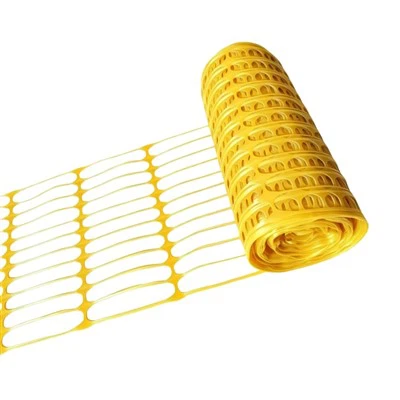
If you’re shopping for diamond fence mesh and you’re not sure what elasticity level you need, reach out to us. We don’t just sell panels—we help you pick the right one for your specific use. Whether it’s a small backyard fence, a large farm, or a temporary construction barrier, we can walk you through the elasticity specs and make sure you get something that works for you. No pushy sales stuff, just straight answers from someone who’s been in the fencing game for a while. Don’t waste money on cheap, low-elasticity mesh that’ll need replacing next year—invest in a fence that’s got the right give to last.
Plastic White Garden Fence References
- Callister, W. D. (2018). Materials Science and Engineering: An Introduction. Wiley.
- American Society for Testing and Materials (ASTM). (2020). Standard Specification for Steel Wire, Galvanized or Zinc-Coated, for Fence. ASTM International.
- Fence Industry Association of North America (FIANA). (2021). Guide to Agricultural Fence Materials and Performance Characteristics. FIANA.
Shaoxing Yongte Plastics Co., Ltd.
We are one of the most reliable diamond fence mesh manufacturers and suppliers in China, specialized in providing high quality customized products. We warmly welcome you to wholesale discount diamond fence mesh for sale here from our factory. Contact us for pricelist and free sample.
Address: INDUSTRIAL PARK, LIZHU TOWN, KEQIAO DISTRICT, SHAOXING CITY, ZHEJIANG PROVINCE
E-mail: support@sxxyongte.com.cn
WebSite: https://www.fenceplastic.com/
