Hey there, if you’re working with threaded stainless steel tubes (that’s our bread and butter at the supplier shop, fwiw), you already know how versatile these parts are—used in everything from plumbing systems and chemical processing lines to food and beverage setups, right? But here’s the thing: even top-tier stainless steel tubes with precision threads don’t last forever if you cut corners on care. After years of field calls from clients whose parts failed way too soon, I’ve put together this no-BS guide to help you stretch your threaded stainless steel tube’s service life. No fancy jargon, just stuff we’ve seen work (or fail) first-hand. Threaded Stainless Steel Tube
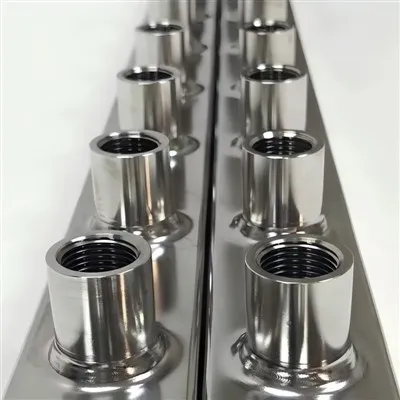
First off, let’s get one thing straight: not all threaded stainless steel is created equal. We offer 304 and 316 grades, which are the workhorses, but a lot of people mix up their application for the job. For example, 304 is great for general indoor use, like residential water lines, but if you’re dealing with saltwater (coastal plumbing) or harsh chemicals, 316 is non-negotiable. That tiny grade difference makes a huge dent in longevity—we’ve had a 304 tube last 10 years in mild conditions, but stick that same 304 in a chemical plant’s nitric acid line? It’ll corrode through in 18 months. Pro tip from our guys: always match the steel grade to your operating environment before you even install. That’s the first win for extending life.
Next up, thread prep and installation—this is where most folks go wrong, and it’s 90% of why threads seize or strip early. I’ve seen installers skip thread sealing just to “save time” or use the wrong sealant, and bam, six months later, leaks or galling (that’s when threads weld themselves together from friction) ruin the whole setup. Here’s what we tell our regular clients: never use Teflon tape thicker than 5 mil for stainless threads—thicker tape gets compressed into the threads, creating gaps that let moisture and contaminants seep in, and it can even cause uneven pressure that strips threads. For high-pressure lines or corrosive environments, go with a paste thread sealant that’s designed for stainless steel, not generic pipe dope. Also, when you’re tightening the connection, don’t use a pipe wrench directly on the tube’s threads. Use a vice grip on the smooth, unthreaded part of the tube, or a strap wrench—applying torque directly to the threads damages them instantly, and that damage is a ticking time bomb. We’ve had clients come back with tubes that had visibly crushed threads after one install, and those almost never make it two years.
Then there’s corrosion prevention, which is the big one for stainless steel. Wait, I know what you’re thinking—“stainless steel doesn’t rust,” right? Yeah, it resists rust, but it’s not invincible. The passive layer (that thin chromium oxide film that makes stainless stainless) gets broken down by things like chlorine, salt, and even debris rubbing against it. Once that layer is gone, corrosion starts, and it spreads fast, especially at threads where the metal’s thinner from cutting. So, how do you protect that layer? For outdoor installations, wrap unthreaded tube sections with a UV-resistant protective tape (not regular duct tape, that breaks down in a month). For indoor lines in areas with high chlorine (like swimming pools), flush the lines regularly to remove mineral buildup—we recommend a mild citric acid solution once every six months, just don’t leave it on longer than 30 minutes, or you’ll eat away at the stainless. Also, never store threaded tubes in piles with other metal parts—galvanic corrosion is a thing, and if your stainless touches steel or aluminum, the dissimilar metals will cause rust on the stainless threads over time. We keep our inventory stored on wooden racks, not metal shelving, for that exact reason.
Wait, what about maintenance and inspection? A lot of people set it and forget it, but a quick check every year can catch small issues before they become huge failures. For threaded connections, look for tiny leaks, discoloration (that’s usually the passive layer breaking down), or hard, crusty buildup on the threads—buildup means moisture’s trapped there, which is bad. If you spot that, disassemble the connection, clean the threads with a stiff nylon brush (never a metal wire brush, that scratches the surface and breaks down the passive layer), reapply fresh sealant, and retighten properly. We’ve had a client who did this annual check on their food processing line, and they avoided a 10-day shutdown that would’ve cost them $50k—small maintenance moves go a long way. Also, if your tubes are in a high-wear area (like near moving machinery), add a protective sleeve over the threaded section where it rubs against other parts. We stock those sleeves specifically for our threaded tubes, and clients say they double the life in high-worn spots.
Oh, and let’s talk about avoiding misuse. I see this all the time: someone uses a threaded stainless steel tube as a lever, or crams it into a space it’s not designed for, and that bends or warps the threads. Even a tiny bend in the tube shank puts stress on the threads, making them more likely to strip or crack under pressure. Also, don’t over-tighten connections—our engineering team says that for most 1/2” to 2” threaded tubes, you just need to turn the connection 1.5 to 2 full turns after hand-tight, no more. Over-tightening stretches the tube and compresses the threads unevenly, leading to failure. We had a commercial plumber come to us last year with a batch of tubes that stripped within three months, and it turned out he was cranking them as tight as he could with a pipe wrench—total overkill.
Now, if you’re dealing with threaded stainless steel tubes in extreme environments—like cryogenic lines (super cold) or high-heat industrial processes—there’s extra steps. For cryo stuff, use a thread sealant that’s rated for low temperatures, because regular sealants get brittle and crack at -100°F or lower. For high-heat lines (over 500°F), skip organic sealants entirely and use a metal anti-seize compound, because organics will burn off, leaving gaps. We’ve tested these compounds, and they make a massive difference for extreme temp applications—clients who switched to them saw their tube life go up by 40% on average.
Let me wrap this up: extending your threaded stainless steel tube’s life isn’t rocket science, it’s just about paying attention to the details that a lot of people skip. Pick the right grade, prep and install threads correctly, protect the passive layer, do regular checks, and don’t misuse the parts. At the end of the day, the longer your tubes last, the less downtime and replacement costs you have—and that’s what matters, right?

If you’ve got questions about which threaded stainless steel tube is right for your project, or need help troubleshooting a current setup, feel free to reach out to our team to connect and discuss your needs.
Rolled Fin Stainless Steel Tube References:
- ASME B31.3 – Process Piping, American Society of Mechanical Engineers
- Stainless Steel Pipe Fittings and Tubing, Nickel Institute
- Threaded Connection Installation Best Practices, National Association of Plumbing-Heating-Cooling Contractors
- Galvanic Corrosion in Stainless Steel Systems, International Copper Association
China Super Tech Co., Ltd.
As one of the most professional threaded stainless steel tube manufacturers and suppliers in China, we’re featured by quality products and good service. Please rest assured to wholesale OEM threaded stainless steel tube from our factory. Also, custom service is available.
Address: Wangjing Science and Technology Park, Guangshun North Street, Chaoyang District, Beijing
E-mail: sales@316liquidcooling.com
WebSite: https://www.316liquidcooling.com/
