If you’ve ever handled a 50kg bag of granular fertilizer stacked in a warehouse, a woven sack of polypropylene (PP) resin pellets at a chemical processing plant, or a heavy-duty bag of industrial soda ash, you’ve interacted with a chemical woven bag—whether you realized it or not. As a supplier of these bags, I field questions every week from plant managers, logistics coordinators, and packaging engineers, and one of the most common is: “What’s the static resistance of chemical woven bags?” It’s a question that trips up a lot of people because static resistance in these bags isn’t a one-size-fits-all number. It’s tied to the materials we use, the manufacturing process, and the specific needs of the chemical products the bags will hold. Let’s break this down, how it impacts your operations, and what to look for when you’re ordering your next batch. Chemical Woven Bags
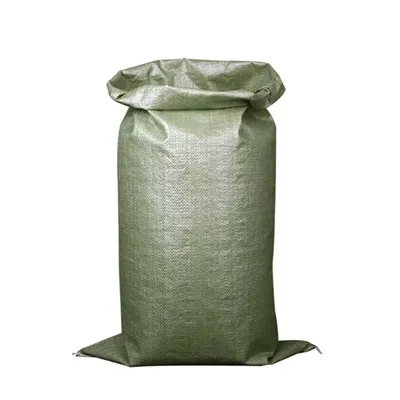
First, let’s get clear on what static resistance means in the context of chemical woven bags. Static resistance (measured in ohms, Ω) is a material’s ability to conduct or dissipate electric charge, which builds up when two surfaces rub together—say, granular chemicals sliding down a chute into a bag, or a bag being dragged across a warehouse floor. For regular woven PP bags (the most common base material for chemical packaging), static resistance is usually in the range of 10¹² to 10¹⁴ Ω. That’s a very high resistance, meaning the material acts like an insulator, trapping that static charge instead of letting it dissipate. That might sound harmless, but for chemical products, especially flammable or combustible ones, trapped static charge is a huge safety risk.
Take fertilizer, for example. Nitrogen-based fertilizers release small amounts of ammonia during packaging, which is a flammable gas. If you’re filling hundreds of bags an hour, the constant friction of granules sliding into the bag can build up a static charge strong enough to spark that ammonia-air mixture, leading to fires or even explosions. Or consider fine metal powders used in pharmaceuticals or electronics: static charge can make the powder cling to the inside of the bag unevenly, leading to inaccurate fill weights, product loss, and even cross-contamination if the powder sparks and ignites residual material. That’s why static resistance isn’t just a technical spec—it’s a critical safety and efficiency factor for chemical packaging.
As a supplier, we don’t just offer one static resistance grade, because different chemicals have different needs. Let’s walk through the three most common static resistance levels we work with, and what they’re used for.
First, there’s antistatic woven bags, which have a static resistance range of 10⁹ to 10¹¹ Ω. These are the most versatile for general chemical applications. How do we get that resistance? We add a permanent antistatic agent to the PP resin during the extrusion process, not as a surface coating. Coatings can wear off when the bag is handled, stacked, or exposed to moisture, but permanent antistatic agents are chemically bonded to the polymer, so they last for the life of the bag. These bags dissipate static charge quickly enough to prevent sparks for most non-explosive, non-flammable chemicals: dry granulars like soda ash, common salt, or non-hazardous industrial minerals. For our customers shipping these products, antistatic bags also solve a common logistics problem: static charge makes woven bags cling to each other during stacking, which can slow down forklift operations and even cause bags to tip over. We’ve had customers tell us that switching to antistatic bags cut their packaging line downtime by 15% on average, because they don’t have to pause to separate stuck bags anymore.
Next, there’s static-dissipative chemical woven bags, with a static resistance range of 10⁶ to 10⁸ Ω. These are for more sensitive chemicals, especially those that produce flammable gases or fine powders that can ignite easily. Think of powdered metal alloys, lithium-ion battery cathode materials, or organic peroxides—products where even a small spark can have catastrophic consequences. Static-dissipative bags take the antistatic formula a step further: we blend in carbon black or conductive polymer additives that create a network of conductive paths through the woven fabric. That means the static charge is pulled through the bag, to the surface, and dissipated into the surrounding air or to a grounding point, rather than building up. We tested these bags last year for a customer packaging aluminum powder; before switching, they recorded static discharges of up to 12,000 volts during filling, which was above the 5,000 volt threshold needed to ignite their aluminum powder mixture. With our static-dissipative bags, those discharges dropped to less than 500 volts, meeting OSHA and NFPA safety standards for their facility. It’s worth noting that static-dissipative bags aren’t a silver bullet for all hazardous materials—for products that are highly reactive, like liquid explosives, we also offer conductive woven bags, with a static resistance of less than 10⁵ Ω, which are used for products that require full electrical grounding to prevent any charge buildup.
One thing I always emphasize to customers: static resistance isn’t the only number that matters, and it’s easy to confuse static resistance with surface resistivity (another common spec). Surface resistivity measures the resistance of the top surface of the bag, while volume resistivity measures the resistance through the entire thickness of the woven fabric. For chemical woven bags, volume resistivity is the more important spec, because static charge builds up throughout the entire bag, not just on the surface. A lot of low-quality suppliers will quote a surface resistivity spec to make their bags sound more static-resistant than they are, but if the volume resistivity is still in the insulator range, the charge will still build up. That’s why we always provide both specs for our customers, and walk them through which is most relevant for their application.
Another common question I get: does the static resistance of a woven bag change once it’s filled with chemical? The short answer is, it can—depending on the product. For dry, non-hygroscopic chemicals, like dry plastic pellets, the static resistance of the bag stays consistent, because there’s no moisture to interfere with the antistatic additives. But for hygroscopic chemicals, like calcium chloride or some fertilizers, which absorb moisture from the air, that moisture can interact with the antistatic agents, changing their effectiveness. We solve that by adjusting the antistatic additive blend based on the chemical’s moisture content: for example, for high-hygro 40kg fertilizer bags, we use a slightly higher concentration of permanent antistatic agent to account for the way moisture interacts with the polymer. We also test every batch of bags before delivery, to confirm that the static resistance falls within our agreed range, so our customers don’t have to worry about last-minute surprises.
Over the years, I’ve seen how choosing the wrong static resistance can cost a chemical company way more than just the price of the bags. A customer in the Midwest once ordered standard non-antistatic bags to package their fine sugar powder, because they were cheaper. Within a month, they had three separate fires on their packaging line, all traced back to static sparks from the bags. The total cost of downtime, repairs, and lost product was over $120,000—way more than the extra cost of switching to antistatic bags. That’s why we work closely with every customer to not just sell them a bag, but to advise them on the right static resistance grade for their specific product, line speed, and facility safety standards. We’ll even send a sample of our test bags, so they can run their own static discharge tests in their own facility, to confirm they meet their needs.
As we move forward, static resistance specs for chemical woven bags are only going to get more strict, as chemical and packaging safety regulations evolve. The NFPA recently updated its 77 standard on static electricity in industrial applications, to require lower static resistance for bags holding any combustible dust, not just highly flammable products. That means more customers are looking for suppliers who can provide not just bags that meet basic specs, but bags that are tested and certified to meet these new standards. For our part, we invest in in-house testing equipment to measure static resistance, so we can provide our customers with a certification of performance, not just a spec sheet.
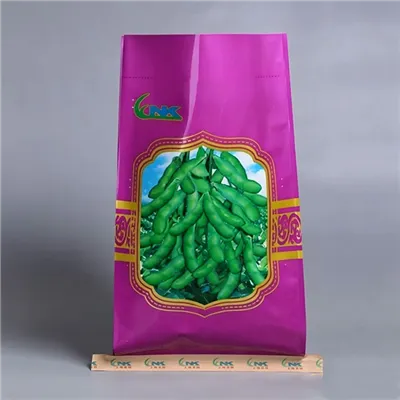
At the end of the day, a chemical woven bag is more than just a container to hold your product. It’s a piece of your safety system, a tool to reduce downtime, and a way to protect your product from damage. The static resistance isn’t just a number on a spec—it’s the difference between a packaging process that runs smoothly, and one that risks safety, product loss, and costly disruptions. If you’re unsure what static resistance grade is right for your next order, or if you’ve been dealing with static-related issues in your packaging line, reach out to our team to discuss your needs. We’ll help you find the right chemical woven bags that meet your static resistance requirements, your budget, and your long-term goals.
Flood Control Sandbags References
ASTM D257-19: Standard Test Methods for DC Resistance or Conductance of Insulating Materials
NFPA 77-2021: Recommended Practice on Static Electricity
OSHA 29 CFR 1910.109: Process Safety Management of Highly Hazardous Chemicals
Liaoning Xunlian Packaging Products Co., Ltd.
Liaoning Xunlian Packaging Products Co., Ltd. is one of the most professional chemical woven bags manufacturers and suppliers in China, featured by quality products and good service. Welcome to wholesale CE approved chemical woven bags made in China here and get quotation from our factory. Customized orders are welcome.
Address: Chaoyang Industrial Park, Kangping, Shenyang, Liaoning, China.
E-mail: info@xunlianpack.com
WebSite: https://www.xunlianpack.com/
