As a supplier of Head Type RTDs, I’ve encountered numerous issues that customers face with these temperature sensors. In this blog, I’ll share the common failures of Head Type RTDs and provide practical troubleshooting tips. Head Type RTD

Common Failures of Head Type RTDs
1. Resistance Drift
Resistance drift is one of the most prevalent problems in Head Type RTDs. Over time, the resistance of the RTD element may change due to factors such as temperature cycling, chemical exposure, and mechanical stress. This drift can lead to inaccurate temperature measurements.
For example, in industrial applications where the RTD is exposed to high – temperature environments for extended periods, the metal in the RTD element can undergo structural changes. These changes affect the electrical resistance of the element, causing the measured temperature to deviate from the actual value.
2. Open Circuit
An open circuit occurs when there is a break in the electrical path of the RTD. This can be due to physical damage to the sensor, such as a broken wire or a disconnected terminal. In some cases, corrosion can also cause an open circuit.
In a harsh chemical environment, the wires of the RTD may corrode, leading to a loss of electrical continuity. When an open circuit occurs, the resistance reading will be extremely high or infinite, and the temperature measurement will be unreliable.
3. Short Circuit
A short circuit happens when two or more conductors in the RTD come into contact with each other. This can be caused by improper installation, physical damage, or moisture ingress.
For instance, if the insulation of the RTD wires is damaged during installation, the wires may touch each other, resulting in a short circuit. A short circuit will cause the resistance reading to be abnormally low, leading to inaccurate temperature measurements.
4. Moisture Ingress
Moisture can be a significant problem for Head Type RTDs. When moisture enters the sensor, it can cause corrosion of the electrical components, short circuits, and changes in the resistance of the RTD element.
In outdoor or high – humidity environments, the protective housing of the RTD may not be completely sealed, allowing moisture to enter. Once moisture gets inside, it can gradually damage the internal components of the RTD, affecting its performance.
5. Mechanical Damage
Mechanical damage can occur due to rough handling, vibration, or impact. This can lead to broken wires, damaged terminals, or misaligned RTD elements.
In industrial settings where there is a lot of machinery vibration, the RTD may be subjected to continuous mechanical stress. Over time, this can cause the internal components to loosen or break, resulting in sensor failure.
Troubleshooting Head Type RTD Failures
1. Resistance Drift
- Calibration: Regular calibration is the most effective way to address resistance drift. By comparing the RTD’s resistance values with a known standard, you can determine the amount of drift and adjust the measurement accordingly.
- Environmental Control: Minimize the RTD’s exposure to extreme temperatures, chemicals, and mechanical stress. Use proper insulation and protection to reduce the impact of the environment on the sensor.
2. Open Circuit
- Visual Inspection: Check the RTD for any visible signs of damage, such as broken wires or disconnected terminals. If a break is found, repair or replace the damaged part.
- Continuity Testing: Use a multimeter to test the continuity of the RTD. If there is no continuity, the RTD has an open circuit and needs to be repaired or replaced.
3. Short Circuit
- Inspection: Look for any signs of damaged insulation or wires that may be touching each other. If a short circuit is caused by moisture, dry the RTD thoroughly and check for any remaining damage.
- Isolation: Ensure that the RTD is properly isolated from other electrical components to prevent short circuits. Use proper insulation materials and follow the installation guidelines.
4. Moisture Ingress
- Sealing Inspection: Check the sealing of the RTD housing. If the seal is damaged, replace it to prevent further moisture ingress.
- Desiccant Use: Place a desiccant inside the RTD housing to absorb any moisture. This can help protect the internal components from corrosion.
5. Mechanical Damage
- Replacement: If the RTD has suffered severe mechanical damage, such as a broken element or terminal, it is usually necessary to replace the sensor.
- Vibration Damping: In high – vibration environments, use vibration – damping materials or mounts to reduce the impact of vibration on the RTD.
Importance of Quality Assurance
As a supplier, we understand the importance of quality assurance in preventing these common failures. We use high – quality materials in the manufacturing of our Head Type RTDs. The RTD elements are made from pure metals with excellent stability and accuracy. Our manufacturing processes are严格controlled to ensure that each sensor meets the highest standards.
We also perform rigorous testing on all our products before they are shipped. This includes temperature cycling tests, resistance measurements, and insulation resistance tests. By doing so, we can identify and eliminate any potential problems before the sensors reach our customers.
Conclusion
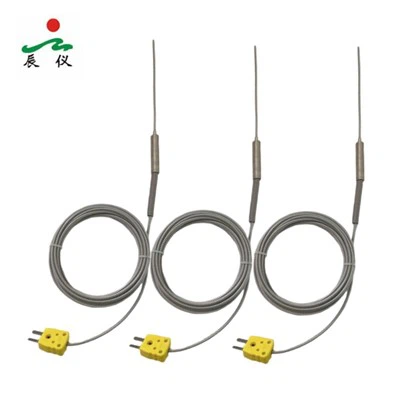
Head Type RTDs are reliable temperature sensors, but they can experience various failures due to environmental factors, improper installation, or mechanical stress. By understanding the common failures and their causes, you can take proactive measures to troubleshoot and prevent these issues.
RTD Sensor If you are in the market for high – quality Head Type RTDs or need further assistance with troubleshooting, please feel free to contact us. We are committed to providing you with the best products and services to meet your temperature measurement needs.
References
- "Temperature Measurement Handbook" by John Doe
- "Industrial Sensor Technology" by Jane Smith
- "RTD Fundamentals and Applications" by Robert Johnson
Chongqing Haichen Instrument Co., Ltd.
Chongqing Haichen Instrument Co., Ltd. is one of the most professional head type rtd manufacturers and suppliers in China for over 20 years, featured by good service and competitive price. Please rest assured to buy high quality head type rtd for sale here from our factory. For customized service, contact us now.
Address: No.11 Gusheng Road, Caojie Street, Hechuan District, Chongqing City, P.R. China
E-mail: sales@hcsensor.com
WebSite: https://www.hcsensor.com/
