How Do Rubber Antioxidants Perform Under High – Temperature Conditions?
As a long – time supplier of rubber antioxidants, I’ve witnessed firsthand the critical role these additives play in rubber products, especially under high – temperature conditions. In this blog, I’ll share insights into their performance based on extensive industry experience and knowledge. Rubber Antioxidants

The Significance of Rubber Antioxidants
Rubber is a versatile material used in a wide range of applications, from automotive tires to industrial seals. However, it is highly susceptible to oxidation, especially at elevated temperatures. Oxidation can lead to a series of detrimental effects on rubber, such as hardening, cracking, and loss of elasticity. These changes not only reduce the lifespan of rubber products but also compromise their performance and safety.
Rubber antioxidants are specifically designed to counteract the effects of oxidation. They work by interrupting the free – radical chain reactions that occur during the oxidation process. By scavenging free radicals or decomposing hydroperoxides, antioxidants prevent the degradation of rubber molecules and maintain the integrity of the rubber material.
Mechanisms of Antioxidant Action Under High – Temperature
- Free – Radical Scavenging
At high temperatures, the rate of free – radical generation in rubber increases significantly. The heat provides the energy required to break chemical bonds in rubber molecules, leading to the formation of free radicals. Antioxidants with phenolic or amine – based structures are particularly effective free – radical scavengers.
Phenolic antioxidants, for example, donate a hydrogen atom to the free radical, forming a relatively stable phenoxy radical. This phenoxy radical is resonance – stabilized and less reactive, thus preventing the propagation of the free – radical chain reaction.
Amine – based antioxidants also function as free – radical scavengers. They react with free radicals to form stable products, effectively terminating the oxidation process. The high – temperature stability of these antioxidants is crucial, as they need to remain active in the harsh thermal environment. - Hydroperoxide Decomposition
Another important mechanism of antioxidant action under high – temperature conditions is the decomposition of hydroperoxides. When rubber oxidizes, hydroperoxides are formed as intermediate products. These hydroperoxides are unstable and can further decompose into free radicals, which continue to drive the oxidation process.
Some antioxidants, such as sulfur – containing compounds, are capable of decomposing hydroperoxides into stable products. By doing so, they prevent the formation of new free radicals and slow down the overall oxidation rate.
Factors Affecting Antioxidant Performance at High Temperatures
- Chemical Structure
The chemical structure of an antioxidant has a profound impact on its performance at high temperatures. Antioxidants with high – molecular – weight and aromatic structures generally exhibit better thermal stability. For instance, sterically hindered phenolic antioxidants have bulky substituents around the phenolic hydroxyl group. These substituents protect the hydroxyl group from thermal degradation and enhance the antioxidant’s ability to scavenge free radicals at high temperatures.
Amine – based antioxidants with multiple aromatic rings also show excellent thermal stability. The aromatic rings provide resonance stabilization, making the antioxidants more resistant to heat – induced decomposition. - Concentration
The concentration of antioxidants in rubber is a critical factor. At high temperatures, a higher concentration of antioxidants may be required to effectively inhibit oxidation. However, there is a limit to the amount of antioxidant that can be added. Excessive antioxidant concentration can lead to issues such as blooming, where the antioxidant migrates to the surface of the rubber, causing discoloration and reducing the surface quality of the product. - Compatibility with Rubber
The compatibility of antioxidants with the rubber matrix is essential for their performance. If an antioxidant is not compatible with the rubber, it may not disperse evenly, leading to localized areas of poor oxidation protection. Additionally, incompatible antioxidants may react with other additives in the rubber formulation, reducing their effectiveness. - Exposure Time
The longer the rubber is exposed to high temperatures, the more challenging it is for antioxidants to maintain their effectiveness. Over time, antioxidants may be consumed through their reaction with free radicals and hydroperoxides. As a result, the oxidation protection provided by antioxidants gradually decreases.
Performance Evaluation of Rubber Antioxidants Under High – Temperature
- Physical Property Testing
One of the most common ways to evaluate the performance of rubber antioxidants under high – temperature conditions is to measure the physical properties of rubber samples before and after heat aging. Properties such as hardness, tensile strength, and elongation at break can provide valuable information about the degree of oxidation and the effectiveness of the antioxidants.
For example, if the hardness of a rubber sample increases significantly after heat aging, it indicates that oxidation has caused the rubber to harden. A well – performing antioxidant should minimize this change in hardness. - Thermal Analysis
Thermal analysis techniques, such as differential scanning calorimetry (DSC) and thermogravimetric analysis (TGA), can be used to study the thermal stability of rubber antioxidants. DSC measures the heat flow associated with physical and chemical changes in the rubber sample during heating. It can detect the onset of oxidation and the heat of oxidation, which can be used to evaluate the antioxidant’s effectiveness.
TGA measures the weight change of the rubber sample as a function of temperature. By monitoring the weight loss due to oxidation, the thermal stability of the rubber and the performance of the antioxidants can be assessed.
Applications and Case Studies
- Automotive Tires
Automotive tires are exposed to high temperatures during normal operation, especially when driving at high speeds or under heavy loads. Rubber antioxidants play a crucial role in maintaining the performance and safety of tires. They prevent the oxidation of the rubber in the tread and sidewalls, reducing the risk of cracking and improving the tire’s durability.
In a recent case study, a tire manufacturer used our high – performance antioxidant in a new tire formulation. After extensive road testing at high temperatures, the tires showed significantly less cracking and wear compared to tires without the antioxidant. This not only extended the lifespan of the tires but also improved the overall driving experience. - Industrial Seals
Industrial seals are often used in high – temperature environments, such as in engines and chemical processing equipment. Oxidation can cause seals to lose their flexibility and sealing ability, leading to leaks and equipment failure. Our antioxidants have been successfully used in the production of industrial seals to ensure their performance and reliability under high – temperature conditions.
A chemical processing plant replaced the old seals in their equipment with seals containing our antioxidant. After several months of operation at high temperatures, the new seals maintained their excellent sealing performance, eliminating costly leaks and downtime.
Conclusion
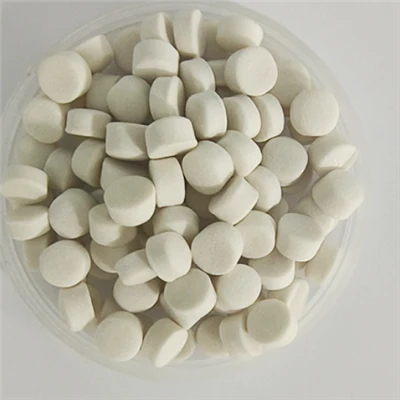
In conclusion, rubber antioxidants are essential for protecting rubber products from oxidation under high – temperature conditions. Their performance is determined by factors such as chemical structure, concentration, compatibility with rubber, and exposure time. Through proper selection and evaluation of antioxidants, rubber manufacturers can ensure the quality and durability of their products in harsh thermal environments.
Synthetic Rubber As a supplier of rubber antioxidants, we are committed to providing high – quality products that meet the diverse needs of our customers. If you are looking for reliable rubber antioxidants for high – temperature applications, I invite you to contact us for more information. We can offer technical support and customized solutions to help you achieve the best results in your rubber products.
References
- Finlay, T. B., & Watkins, K. E. (Eds.). (2018). Handbook of Polymer Degradation. CRC Press.
- Wypych, G. (2017). Handbook of Antioxidants. ChemTec Publishing.
- Bhowmick, A. K., & Stephens, H. L. (2013). Handbook of Elastomers. Marcel Dekker.
Heze Great Bridge Chemical Co., Ltd.
With abundant experience, we are one of the most professional rubber antioxidants manufacturers and suppliers in China. We warmly welcome you to buy high quality rubber antioxidants in stock here and get pricelist from our factory. Good service and reasonable price are available.
Address: No.1679 Renmin Road,Heze City,Shandong,China
E-mail: export@greatbridge-chem.com
WebSite: https://www.greatbridgechem.com/
