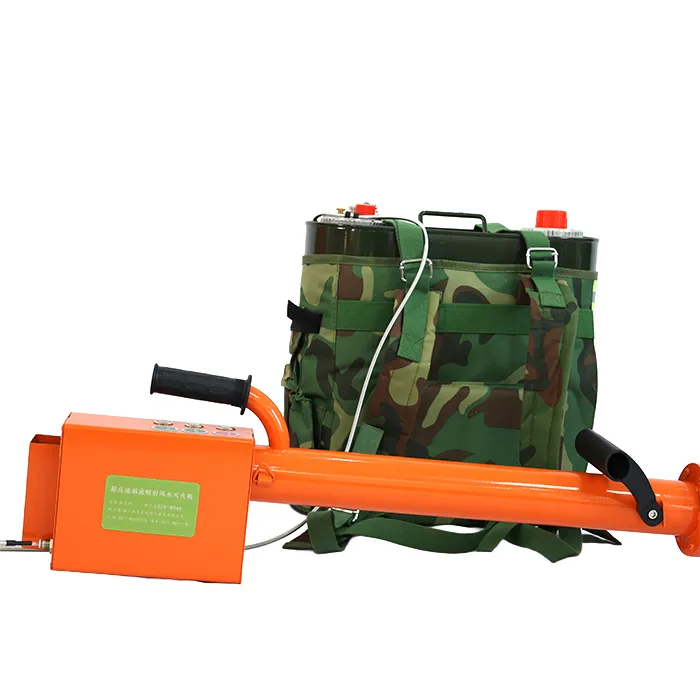
As a supplier of heavy – duty fire pumps, I often encounter inquiries regarding the installation dimensions of these crucial pieces of equipment. Understanding the correct installation dimensions is not only essential for the proper functioning of the fire pump but also for ensuring the safety and efficiency of the entire fire protection system. In this blog post, I will delve into the key aspects of the installation dimensions of heavy – duty fire pumps. Heavy-duty Fire Pumps
General Considerations for Installation Dimensions
Before we get into the specific dimensions, it’s important to understand the general factors that influence the installation of heavy – duty fire pumps. The first factor is the type of the fire pump. There are different types of heavy – duty fire pumps, such as centrifugal pumps, positive displacement pumps, etc. Each type has its own unique design and operational requirements, which in turn affect the installation dimensions.
Centrifugal pumps are the most commonly used type in heavy – duty fire protection systems. They are known for their high flow rates and relatively simple design. The installation of centrifugal fire pumps requires sufficient space for the pump itself, the motor, and the associated piping. The motor, which drives the pump, needs to be properly aligned with the pump shaft. Any misalignment can lead to premature wear and tear of the pump components and reduced efficiency.
Positive displacement pumps, on the other hand, are used in applications where a constant flow rate is required regardless of the pressure. These pumps typically have a more complex design and may require more space for installation due to their internal mechanisms.
Another important factor is the location of the installation. Heavy – duty fire pumps can be installed indoors or outdoors. Indoor installations need to comply with building codes and regulations, which may specify minimum clearances around the pump for maintenance and safety purposes. Outdoor installations, meanwhile, need to consider environmental factors such as weather protection, access for maintenance, and protection against vandalism.
Specific Installation Dimensions
Pump and Motor Dimensions
The physical size of the pump and the motor is the starting point for determining the installation dimensions. The length, width, and height of the pump – motor assembly need to be measured accurately. For example, a large – capacity centrifugal fire pump may have a length of several feet, and the motor can add additional length to the assembly.
The height of the pump – motor unit is also crucial, especially when considering the installation in a confined space such as a basement. Adequate headroom is required for the installation, maintenance, and replacement of the pump and motor components. A general rule of thumb is to have at least 1.5 to 2 times the height of the pump – motor unit as clear space above it.
The width of the installation area should be sufficient to allow for easy access to the pump and motor from the sides. A minimum clearance of 2 to 3 feet on each side is often recommended to facilitate maintenance tasks such as checking the bearings, replacing seals, and inspecting the electrical connections.
Piping Dimensions
Piping is an integral part of the fire pump installation. The diameter and length of the suction and discharge pipes are important factors. The suction pipe should be large enough to ensure an adequate supply of water to the pump. A common practice is to use a suction pipe with a diameter equal to or larger than the pump inlet size.
The length of the suction pipe should be kept as short as possible to minimize the friction losses. Long suction pipes can cause cavitation in the pump, which is a phenomenon where vapor bubbles form in the liquid due to low pressure. Cavitation can damage the pump impeller and reduce the pump’s efficiency. A maximum suction pipe length of 20 to 30 feet is often recommended, depending on the pump design and the available net positive suction head (NPSH).
The discharge pipe also needs to be properly sized. It should be able to handle the flow rate and pressure generated by the pump. The diameter of the discharge pipe is usually determined based on the pump’s rated flow and the allowable pressure drop in the system. The length of the discharge pipe is determined by the layout of the fire protection system, but it should be designed to minimize bends and elbows to reduce friction losses.
In addition to the pipe diameter and length, the installation of valves and fittings in the piping system also affects the overall installation dimensions. Valves such as check valves, gate valves, and butterfly valves need to be installed at appropriate locations in the suction and discharge lines. These valves require additional space for installation and operation.
Clearances for Maintenance and Safety
Maintenance is a critical aspect of heavy – duty fire pump operation. Adequate clearances around the pump and its associated components are necessary to ensure that maintenance tasks can be carried out safely and efficiently.
As mentioned earlier, there should be sufficient clearance on the sides of the pump – motor unit for access to the components. In addition, there should be enough space at the end of the pump shaft for the removal and replacement of the coupling. A clearance of at least 1 to 2 feet is typically required for this purpose.
Safety clearances are also important. There should be a clear path around the pump installation for emergency evacuation in case of a fire or other hazards. The area around the pump should be free from any obstructions that could impede the movement of personnel or equipment.
Installation in Different Settings
Indoor Installations
In indoor settings, such as in a commercial building or a industrial facility, the installation of heavy – duty fire pumps needs to comply with local building codes and regulations. These codes often specify the minimum clearances around the pump, the requirements for ventilation, and the protection of the pump from fire and other hazards.
For example, in a basement installation, the pump room should be well – ventilated to prevent the accumulation of heat and fumes from the motor. The ventilation system should be designed to provide a sufficient amount of fresh air to the pump room. The walls and ceiling of the pump room may need to be fire – rated to prevent the spread of fire in case of an emergency.
Outdoor Installations
Outdoor installations of heavy – duty fire pumps require additional considerations. The pump needs to be protected from the elements, such as rain, snow, and extreme temperatures. A weather – proof enclosure is often required to house the pump and motor.
The enclosure should be designed to allow for proper ventilation and access for maintenance. It should also be secure to prevent vandalism. In addition, the location of the outdoor installation should be carefully chosen to ensure easy access to the water source and the fire protection system.
Importance of Correct Installation Dimensions
Installing a heavy – duty fire pump with the correct dimensions is crucial for several reasons. Firstly, it ensures the proper functioning of the pump. A pump that is installed with incorrect dimensions may experience problems such as misalignment, cavitation, and excessive vibration, which can lead to premature failure of the pump components.
Secondly, correct installation dimensions are essential for safety. Adequate clearances around the pump and its associated components allow for safe maintenance and emergency evacuation. In case of a fire, a properly installed fire pump can quickly and efficiently supply water to the fire protection system, helping to prevent the spread of fire and protect lives and property.
Finally, compliance with installation dimensions is often required by local codes and regulations. Failure to comply with these requirements can result in fines and legal issues.
Conclusion
In conclusion, understanding the installation dimensions of heavy – duty fire pumps is of utmost importance for suppliers, installers, and end – users. The dimensions are influenced by various factors, including the type of the pump, the location of the installation, and the requirements for maintenance and safety.
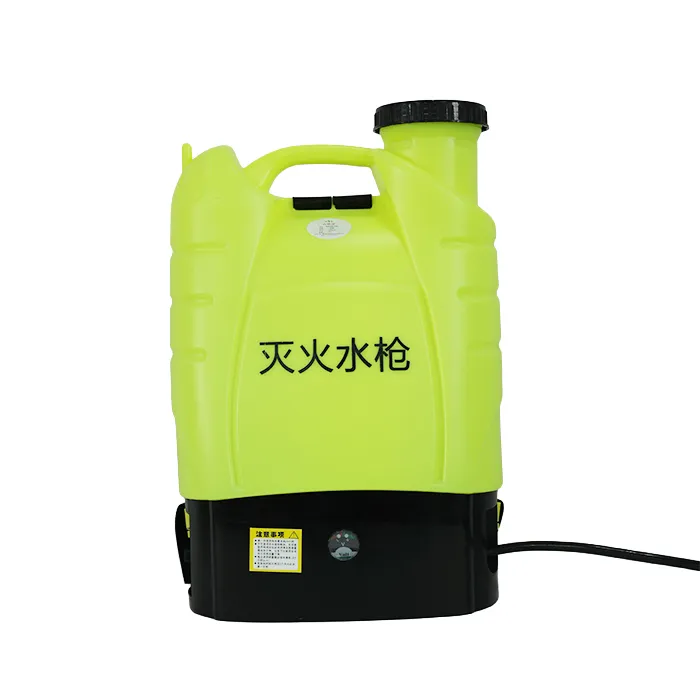
As a supplier of heavy – duty fire pumps, we are committed to providing our customers with accurate information about the installation dimensions of our products. Our team of experts can assist you in determining the appropriate dimensions for your specific application and ensuring that the installation is carried out correctly.
Firefighting Boots If you are in the market for heavy – duty fire pumps and need more detailed information about installation dimensions or other aspects of our products, we encourage you to contact us for a procurement discussion. Our experienced sales team is ready to answer all your questions and provide you with the best solutions for your fire protection needs.
References
- NFPA 20: Standard for the Installation of Stationary Pumps for Fire Protection.
- Hydraulic Institute Standards for Pump Design and Application.
- Manufacturer’s documentation for heavy – duty fire pumps.
Zhenjiang Linhao Forest Fire Prevention Equipment Co., Ltd.
Zhenjiang Linhao Forest Fire Prevention Equipment Co., Ltd. is one of the most reliable manufacturers and suppliers of heavy-duty fire pumps in China, featured by quality products and low price. Please rest assured to wholesale customized heavy-duty fire pumps from our factory. Contact us for quotation and free sample.
Address: No.16,Fenghuangshan Road, Runzhou District, Zhenjiang City, Jiangsu Province
E-mail: lh@lhfirefighting.com
WebSite: https://www.lhfirefighting.com/
