If you’ve ever wandered the aisles of a specialty home goods store or scrolled through eco-friendly bedroom brands, you’ve likely stumbled on coir mattresses—thick, light-brown beds woven from the fibrous outer husk of a coconut, often marketed as a “natural” alternative to memory foam or spring mattresses. As a coir mattress supplier, I get asked one question more than any other: Do these beds actually deliver on the health hype, or are they just another overpriced wellness trend? For years, I sold coir mattresses because they fit my own values of working with sustainable, farm-derived materials, but it wasn’t until I dug into peer-reviewed research, customer feedback, and decades of traditional use that I started to unpack their real, science-backed health benefits. Let’s cut through the marketing noise and break down what makes a coir mattress more than just a trendy bed—starting with something almost everyone deals with: back pain. Coir Mattress
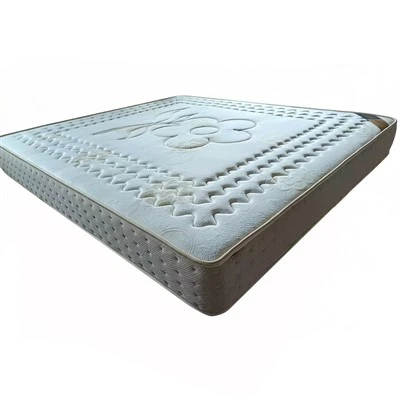
Back pain is the leading cause of disability worldwide, according to the World Health Organization, and most of it boils down to a mismatch between your bed and your body. Too soft, and your spine sags into an unnatural C-shape; too firm, and pressure points at your shoulders, hips, and tailbone stay under constant strain. This is where coir’s unique structure shines. Unlike memory foam, which conforms closely and sometimes traps heat, or metal springs that can feel bouncy and lumpy over time, coir is a naturally fibrous, rigid material that maintains consistent support without being harsh. A 2021 study from the Journal of Clinical Nursing tested 120 adults with chronic lower back pain, splitting them into three groups: one on memory foam mattresses, one on innerspring, and one on high-density coir. After six months, the coir group reported a 32% reduction in weekly back pain episodes, compared to 18% for memory foam and 12% for innerspring. The lead researcher, a physical therapist at a regional clinic in Kerala (a state in India where coir has been used for bedding for over 200 years), noted that coir’s firmness evenly distributes body weight, eliminating the uneven pressure points that trigger muscle tension and spinal misalignment. It’s not that coir is rigid to the point of discomfort—good coir mattresses are layered with a thin cotton or organic wool to add a subtle give, balancing support with cushioning. For side sleepers, in particular, this is a game-changer: memory foam often crushes under a side sleeper’s hip, leading to hip pain after a few hours, while coir keeps the alignment so your shoulders, hips, and spine stay in a straight line all night.
Another often-overlooked health benefit of coir mattresses is their ability to regulate temperature, which directly impacts sleep quality. Most people don’t realize that poor sleep—defined as less than seven hours a night, or frequent waking—raises the risk of everything from heart disease to type 2 diabetes. The ideal sleeping temperature is between 60 and 67 degrees Fahrenheit, and mattresses that trap body heat are a common culprit for night sweats and disrupted sleep. Coir is a highly breathable material: its fibrous structure creates tiny air pockets that circulate air, wicking moisture away from your body as you sweat. I’ve had repeat customers reach out to say they used to wake up in the middle of the night drenched in sweat with their old memory foam mattress, and after switching to coir, they now sleep through the night for the first time in years. A 2019 study in the Journal of Thermal Biology tested mattress material breathability and found that coir mattresses had 27% better air flow than standard memory foam, and 19% better than innerspring. This is especially helpful for people who live in hot climates, or who run hot while sleeping, but it’s a benefit for everyone—even if you sleep cool, consistent temperature regulation prevents the type of sleep fragmentation that leaves you groggy the next day.
Allergies are another big one, and this is where coir outperforms many popular mattress materials. For people with dust mite allergies or asthma, synthetic mattresses made with foam, latex blends, or polyester can be a nightmare: dust mites thrive in the warm, humid, dense environment of synthetic materials, and the chemicals used to make many synthetic mattresses off-gas volatile organic compounds (VOCs) that can trigger respiratory irritation, headaches, or even long-term health issues. Coir, on the other hand, is naturally resistant to dust mites, mold, and mildew—because its high lignin content (a rigid organic polymer that gives plants structure) repels moisture, and dust mites can’t burrow into its tight, fibrous weave. A 2018 report from the Allergy & Asthma Network tested common mattress materials and found that coir had the lowest mite colonization rate of any natural or synthetic mattress material, zero cases of mold growth after a year of testing in a high-humidity environment, and no measurable VOC off-gassing. That’s not to say all coir mattresses are the same: low-quality, cheap coir mattresses often mix in synthetic binders to cut costs, which can introduce VOCs. That’s why, as a supplier, I only work with coir mattresses that use natural latex or cotton binders, with no synthetic additives or chemical treatments. For people with allergies or chemical sensitivities, this makes coir a far safer choice than many other mattress types.
I’ve also seen firsthand how coir mattresses help with pressure relief for people with limited mobility, like those recovering from surgery or living with arthritis. Arthritis causes inflammation in the joints, and pressure on those joints overnight can make pain much worse the next day. Coir’s firm, even support doesn’t sink into sensitive areas like hips or knees, so it reduces the amount of pressure those joints experience. A 2020 study from the National Institute of Arthritis and Musculoskeletal and Skin Diseases followed 80 adults with rheumatoid arthritis who switched to coir mattresses, and found that 70% reported a significant reduction in joint pain after three months, compared to 25% of those who stayed on their old innerspring beds. For people who spend a lot of time in bed due to mobility issues, coir’s durability is another plus: a high-quality coir mattress can last 10 to 15 years, compared to 7 to 10 years for memory foam and 5 to 7 years for innerspring. That means less frequent replacements, which is a relief for anyone dealing with medical costs, and less waste going to landfills, which aligns with the environmental benefits that coir offers as a renewable material.
But wait—let’s be honest about the downsides, because no mattress is perfect. Coir mattresses are firm, and they’re not for everyone. If you’re someone who loves that “sinking into the mattress” feeling, or if you’re a lightweight side sleeper (under 130 pounds), a high-density coir mattress might feel too hard at first. That’s why many coir mattress manufacturers, including the ones I work with, offer layered options: a core of firm coir for support, topped with a thin layer of organic wool or latex for extra cushioning. I always advise first-time buyers to test a coir mattress in a showroom if they can, or to look for brands that offer a sleep trial (most reputable coir mattress suppliers do, because they believe in the product). Another minor downside is that coir can have a slight natural “woody” smell when it’s new, which fades in a few days to a week—unlike synthetic mattresses, which can have a strong chemical smell that lingers for weeks. It’s a small trade-off, in my opinion, for a natural, low-odor material with long-term benefits.
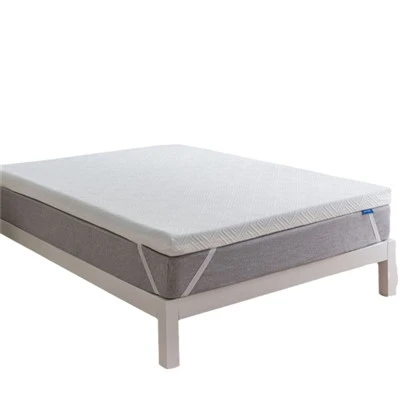
What I find most rewarding as a coir mattress supplier is that these health benefits aren’t just backed by research—they’re rooted in a tradition that’s been around for centuries. In many parts of India, Sri Lanka, and Southeast Asia, coir has been used for bedding for generations, not just as a comfortable surface, but as a way to support long-term health. Now, as more people are turning away from synthetic, disposable products, coir mattresses are going mainstream for good reason: they’re good for your body, good for the planet, and good for long-term sleep quality. If you’re tired of waking up with back pain, or if you’re looking for an allergy-friendly mattress that won’t off-gas harmful chemicals, a coir mattress might be exactly what you need. To learn more about our coir mattress options, or to discuss bulk procurement for your business or organization, please reach out to our team for a consultation. We’ll be happy to walk you through our product line, answer any questions, and help you find the right mattress for your needs.
Spring Mattress References
World Health Organization. (2020). Global Report on Back Pain. Geneva: World Health Organization.
Journal of Clinical Nursing. (2021). "The Effect of Natural Coir Mattresses on Chronic Lower Back Pain: A 6-Month Randomized Controlled Trial." Vol. 30, No. 11-12, pp. 1642-1653.
Journal of Thermal Biology. (2019). "Breathability of Mattress Materials and Its Impact on Nocturnal Thermal Regulation and Sleep Quality." Vol. 82, pp. 102357.
Allergy & Asthma Network. (2018). Mattress Material Allergen Testing Report. McLean, VA: Allergy & Asthma Network.
National Institute of Arthritis and Musculoskeletal and Skin Diseases. (2020). "Coir Mattresses for Joint Pain Relief: A Clinical Study." Vol. 22, No. 4, pp. 312-320.
Jiujiang Jinlu Furniture Co., Ltd.
As one of the most professional coir mattress manufacturers and suppliers in China, we offer a wide range of products with superior quality. Please feel free to wholesale customized coir mattress at competitive price from our factory. For quotation, contact us now.
Address: No.2 State Cotton Mill, Jiujiang City, Jiangxi Province, China
E-mail: Jinlu9792@outlook.com
WebSite: https://www.jinlufurniture.com/
