If you’ve ever walked past a scrap metal yard, or flipped through a sustainability report from a major steel consumer, you’ve probably seen those thick, shiny, gray coils stacked in neat piles next to rusted car bodies and old construction beams. I see them every day—because I’m the owner of a small, family-run business that supplies silicon steel coils and sheets to manufacturers of everything from electrical transformers and motor cores to solar inverters and home appliances. For years, customers have asked me the same question: Can silicon steel coils and sheets be recycled? It’s a fair ask, especially now that so many of my clients are under pressure to hit carbon neutrality targets, reduce their waste footprint, and meet increasingly strict emissions regulations. The short answer is yes—but it’s not as simple as tossing a soda can into a recycling bin. Silicon steel is a specialized alloy, engineered for one very specific job: boosting electrical efficiency by reducing energy loss in magnetic components. That specialization makes it valuable, but it also makes its recycling process a little more nuanced than that of ordinary carbon steel. Let’s break this down, because the answer isn’t just “yes” or “no”—it’s about how, why, and what that means for businesses like mine and the customers we serve. Silicon Steel Coils and Sheets
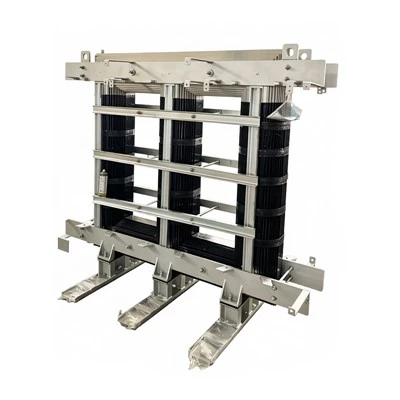
First, let’s get clear on what silicon steel actually is. Unlike regular steel, which is mostly iron with small amounts of carbon, silicon steel adds 1-5% silicon to the iron base, sometimes with small traces of aluminum or other elements depending on the grade. That silicon content is key: it changes the material’s magnetic properties, making it ideal for transformer cores, electric motor stators, and the laminated sheets that line the inside of power grid components. But that same alloying element is what makes it different when it comes to recycling. Ordinary steel is super easy to recycle—98% of all steel products in the U.S. are recycled, mostly because you can scrap it, melt it down, and re-cast it into new steel without too much effort. Silicon steel? It’s a little trickier. If you just mix silicon steel scrap with regular carbon steel, the extra silicon will throw off the properties of the new steel, making it brittle, less magnetic, or otherwise unfit for its intended use. That’s why, for a long time, silicon steel recycling was seen as niche, not mainstream. But that’s changing fast, as technology catches up to demand for circular manufacturing.
Let’s talk about the actual process of recycling silicon steel coils and sheets. The first step, like with most scrap, is collection. That usually comes from two sources: post-consumer scrap (old transformers that have reached the end of their life, broken motor parts, discarded appliance cores) and industrial scrap (the off-cuts and trimmings from manufacturers who use silicon steel to make their products—think of a transformer factory that cuts large sheets into smaller cores, leaving a lot of leftover edge material that would otherwise be wasted). Industrial scrap is actually the easiest to recycle, because it’s clean, uncontaminated, and already sorted for grade. That’s the scrap I see a lot of my own clients sending back to us when they have excess material or off-cuts they don’t need. But post-consumer scrap is more challenging: old transformers might have leftover insulating oil, plastic casings, or other metals mixed in, so it needs to be processed to remove those contaminants first.
Once the scrap is sorted and prepped, the next step is melting—but with a catch. For many years, the only way to recycle silicon steel was to melt it down and then re-alloy it to get the silicon content right again, or blend it with other steel to make regular carbon steel. But that’s energy-intensive, and it loses a lot of the original material’s quality in the process. In the last 10 years, though, a new process called direct recycling has emerged, and it’s a game-changer for silicon steel. Direct recycling skips the full re-melting step. Instead, the scrap is shredded, cleaned, and then processed to repair its magnetic properties—often using a combination of heat treatment and precision sorting. For example, some facilities use magnetic separation to sort silicon steel scrap from other metals, then heat the material to a specific temperature to fix any damage that happened during manufacturing or use, bringing it back to the same magnetic efficiency as virgin silicon steel. That’s huge because it cuts down on energy use by up to 70% compared to traditional recycling, and it preserves the material’s specialized properties so it can be used again for the same job—making it a true circular product.
I’ve seen this firsthand, too. A few years ago, one of our long-time clients, a large transformer manufacturer, was sending 15% of their silicon steel off-cuts to a landfill every month—they thought there was no way to recycle it. Then we connected them with a local processor that does direct silicon steel recycling, and now they send all their off-cuts back to be processed. The recycled silicon steel comes back to us as new coils, and we sell it to them at a 15% discount compared to virgin material. That’s a win for everyone: the client cuts their waste costs, we reduce our raw material expenses, and the whole process has a much lower carbon footprint. It’s not just a hypothetical, either—global companies like Siemens and ABB now use recycled silicon steel for a significant portion of their transformer and motor production, and they’re open about it in their sustainability reports.
But of course, it’s not all perfect. There are still challenges to silicon steel recycling, and they’re the kind of challenges that matter for small suppliers like me, and for my clients. The biggest one is collection and sorting. Because silicon steel is only used in specific products, the total amount of silicon steel scrap on the market is much smaller than ordinary steel scrap. That means it’s not as widely available, and sorting it from other metals can be more expensive. A few years ago, I tried to set up a take-back program for my customers’ excess silicon steel, but there wasn’t enough local processor capacity to handle it—we had to ship the scrap 300 miles away, which ate into any savings we might have gotten. That’s changing, though, as more processors invest in specialized equipment for silicon steel. Another challenge is contamination: if silicon steel scrap gets mixed with copper, aluminum, or other metals, it can ruin the whole batch, making it unfit for direct recycling. That’s why sorting is so critical, and why I always advise my customers to keep their silicon steel off-cuts separate from other materials.
Another thing I tell my clients is that the best way to recycle silicon steel is actually to avoid waste in the first place. That might sound counterintuitive, but let’s think: if a manufacturer orders a silicon steel coil and only needs 80% of it to make their products, the 20% that’s left is scrap. But if we work with them to customize coil sizes, so they get a coil that’s exactly the size they need, we reduce scrap before it even happens. That’s a big part of my business philosophy—we don’t just sell coils and sheets; we help our clients use less material, which is good for their bottom line and good for recycling. We also keep records of every batch of silicon steel we sell, so if a product comes back for recycling, we can track its grade and send it to the right processor, instead of it getting mixed in with the wrong scrap. It’s a small step, but it makes a big difference in the recycling process.
Now, let’s talk about why this matters, beyond just sustainability. For my customers—who are making products that power homes, businesses, and renewable energy systems—using recycled silicon steel isn’t just a nice-to-have. It’s becoming a requirement. Many countries now have regulations that force manufacturers to use a certain percentage of recycled content in their electrical components, especially as part of their net zero targets. For example, the EU’s Circular Economy Action Plan mandates that all steel products sold in the bloc must have a minimum 25% recycled content by 2030, and silicon steel is included in that. My clients don’t want to risk fines, or lose contracts with big companies that are requiring sustainable suppliers. So being able to offer recycled silicon steel, or helping them recycle their own scrap, is a huge competitive advantage. For small businesses like mine, that’s what keeps us in business. If our clients can’t recycle their silicon steel, they’ll go to a supplier who can.
I’ve also heard a lot of misinformation out there, especially from people who think that because silicon steel is a specialized alloy, it can’t be recycled at all. A few years ago, I had a potential customer reach out, saying they’d been told by a competitor that silicon steel can’t be recycled, so they were planning to buy all virgin material. I was able to walk them through the process, show them the data from other companies that use recycled silicon steel, and now they’re one of our biggest clients. That conversation made me realize how important it is to talk about this openly—especially for small suppliers, who might not have the same marketing budgets as big steel companies, but who have on-the-ground experience with how this works in real manufacturing settings.
So, to circle back to the original question: Can silicon steel coils and sheets be recycled? The answer is a resounding yes. It’s not as easy as recycling a soda can, and it requires specialized processes, sorting, and collaboration between suppliers, manufacturers, and processors. But it’s already happening, and it’s becoming more common every year. As the technology for direct recycling improves, and as more companies prioritize circular manufacturing, we’ll see even more silicon steel being recycled, less being sent to landfills, and a lower overall carbon footprint for the electrical components that power our world.
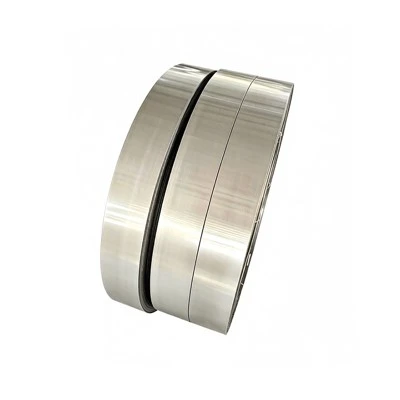
If you’re a manufacturer of transformers, motors, inverters, or any product that uses silicon steel coils and sheets, and you’re looking to reduce your waste, lower your costs, and improve your sustainability, we can help. We work with clients to customize coil sizes to reduce scrap, offer take-back programs for unused or excess material, and connect you with specialized processors to ensure your silicon steel is recycled properly. We also supply high-quality virgin and recycled silicon steel, tailored to your specific needs. To learn more about how we can support your sustainability goals and meet your silicon steel requirements, get in touch with our team to discuss your project and requirements.
Silicon Steel Coils and Sheets References:
- International Energy Agency. (2022). The Role of Steel in Net Zero Energy Systems. IEA Publications.
- World Steel Association. (2023). Steel Recycling and Circular Economy Report. World Steel Association.
- European Commission. (2020). Circular Economy Action Plan: Sustainable Products for a Competitive Europe. European Commission.
- Siemens Energy. (2022). Sustainability Report 2022: Circular Manufacturing of Electrical Components. Siemens Energy.
- Journal of Sustainable Metallurgy. (2021). Direct Recycling of Non-Oriented Silicon Steel for Electrical Applications. Springer.
Wuxi Zhongpu Electric Co., Ltd.
As one of the most professional silicon steel coils and sheets manufacturers and suppliers in China, we also support customized service. Please feel free to wholesale bulk high quality silicon steel coils and sheets made in China here from our factory. Welcome to contact us for pricelist.
Address: No.52 Jiankang Road, Donggang Town, Xishan District, Wuxi City, Jiangsu Province
E-mail: 13585006135@163.com
WebSite: https://www.zhongpuelectric.com/
