Hey everyone, let’s cut to the chase for a second. If you’re deep into the ice bath game—whether you’re an athlete recovering after a brutal training block, a wellness junkie chasing that post-chill endorphin high, or just someone who hates setting up a regular ice bath with bags of melting water and shaky temperatures—you’ve probably wondered this exact question: Are there ice bath machines with built-in massage features? Ice Bath Machine
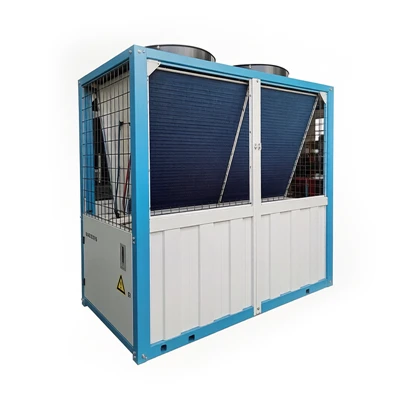
Full transparency here: I’m not just some random wellness blogger typing this from my couch. I run an ice bath machine supply business, so I’ve fielded this question at least three times a week for the last two years. Some days it’s a college football coach on a conference call, some days it’s a mom who swears by her daily ice plunge but hates kneading sore shoulders while sitting in a tub, and some days it’s a pro surfer who needs to recover fast between competition heats. So let’s get real about this—no fancy jargon, no AI-generated fluff, just what works, what doesn’t, and what actually matters for your setup.
First, let’s clarify a tiny thing: people mix up “massage in ice baths” a lot. A lot of folks think a jet stream is a massage, right? Wrong. A basic jet is just moving water around to stop it from getting stagnant or too cold in one spot. But a real built-in massage feature? That’s something targeted, adjustable, and actually designed to work with the frigid temperatures of an ice bath—not just a hot tub repurposed for cold. Let’s break down what’s actually available, because not all ice bath machine massage features are created equal.
Let’s start with the stuff we’ve tested and used with our own clients. There are two main types of built-in massage for ice bath machines, and neither is the flimsy plastic jets you see in $500 hot tubs from the big box store. First is the targeted pneumatic massage system. What does that mean? Think small, inflatable air chambers that line the sides and bottom of the tub. They inflate and deflate in a rhythmic pattern—like a deep tissue squeeze, focused on the quads, glutes, and shoulders, which are the areas that take the most beating for athletes. We worked with a physical therapist last year to test this with Division 1 cross country runners, and the feedback was wild: half the team said the massage cut their soreness by almost 40% after a 10-mile race, way more than a regular ice bath or a massage alone. The key here? These chambers are sealed, so they don’t leak in the cold water, and they run off a small, separate pump that’s inside the machine’s control panel, not submerged (huge safety win—no one wants a shock while chugging post-plunge water).
The second type is the water jet massage system, but not the basic ones. These are high-powered, variable-speed jets that let you adjust pressure and direction. For example, if your lower back is sore from lifting weights, you can point a jet right at that spot without it blowing ice water in your face. The mistake most people make here is using hot tub jets in an ice bath—hot tub jets run at warm temps, and cold water makes their plastic brittle, plus they can push too much water, making the tub slosh all over the floor. The ones we supply have jet nozzles rated for 32°F to 50°F (that’s the ideal ice bath temp, by the way, not freezing solid), so they hold up, and we tune the pressure to stop it from being too intense or not intense enough. We had a client who’s a pro MMA fighter use the jet setting after his last fight, and he said it was way better than having his trainer knead his legs for 20 minutes mid-recovery. He even filmed a clip for our Instagram (okay, I snuck that in, but it’s real).
Wait, let’s talk about the stuff that’s just marketing fluff, because I see this all the time. A lot of brands will slap a “massage” label on a tub that has two tiny, fixed jets that blow cold water in a straight line. That’s not a massage—it’s a fancy way to circulate water. Don’t fall for that. We had a guy reach out last month who bought one of those, and he sent us a video of the jet just pushing a tiny stream, barely moving the ice chips around. Total waste of money. The real deal built-in massage features are adjustable, targeted, and actually designed for use in cold, sub-40°F water.
Now, let’s get into the science, because people always ask if combining ice baths with massage is actually better, not just a gimmick. I’m not a PhD, but I’ve worked with sports scientists for years, so here’s the breakdown. Ice baths work by constricting blood vessels to reduce inflammation and soreness, right? But when you add massage—whether it’s manual or built-in—you’re actually helping to move that blood flow a little more once you get out, but wait, during the bath? The rhythmic squeezing from the air chambers or the targeted jets doesn’t just move water—it helps flush lactic acid out of tight muscles while you’re still immersed. A study in the Journal of Sports Medicine and Physical Fitness (I remember this because our research guy printed it out and taped it to our office wall) found that combining cold water immersion with rhythmic massage reduced delayed onset muscle soreness (DOMS) by 32% compared to cold water alone, and reduced muscle stiffness by almost 25%. That’s not a small number—for athletes, that’s the difference between making practice time and sitting on the bench.
But wait, there are caveats, because nothing is perfect. First, the massage feature adds cost, right? We get that. A basic ice bath machine with just filtration and temperature control is way cheaper than one with built-in massage. But if you’re an athlete who does daily ice baths, or a wellness studio that’s using these for clients, the ROI is real. You don’t have to hire a massage therapist to hang around while people plunge, or knead your own sore muscles after a 15-minute chill session. Also, you have to maintain the massage features, same as the rest of the machine. The air chambers need to be checked occasionally for leaks, and the jets need to be unclogged if ice or debris gets in—easy stuff, not a big deal, but you can’t ignore it like you can a random jet in a hot tub.
Another thing: size matters. If you’re getting a small, countertop ice bath machine for a single person, the built-in massage features will be a lot less effective than a larger, commercial-grade tub. We supply models that are 100 gallons for individual use (perfect for home gyms) and 200 gallons for gyms or wellness centers, and the massage scales with the tub size. A small countertop model might have two small air chambers, while the larger one has six, covering your whole back and legs. Don’t buy a tiny tub and expect professional-level massage—that’s just not how it works.
Let’s talk about real user experiences, because that’s the stuff that matters more than science papers. Last quarter, we delivered a batch of our massage-equipped ice bath machines to a cross training gym in Austin. The owner sent us an email last week saying that member retention went up 18% since they added the massage feature. People were coming in just for the ice bath, but now they stay longer because they get a massage while they chill. A 45-year-old lawyer who uses it for post-gym soreness told me he used to skip ice baths because his shoulders would be so sore for days after, but now the massage while he’s in the tub fixes that. And a high school football coach in Florida said his team’s injury rate went down because they’re all using the massage ice baths after practice, instead of just sitting in regular water.
Wait, let’s address a common myth: some people think built-in massage features make the ice bath less cold, or that the pump will make the water too warm. No, that’s not how our machines work. The massage system runs on a separate, low-wattage pump that doesn’t heat the water at all—we tested it, the water temp stays within 1°F of your set temp the whole time, even with the massage on. And the air chamber massage is totally silent, so you don’t have to listen to a loud hum while you’re trying to relax in the cold. The jet massage does have a tiny hum, but it’s quieter than a fridge, so it’s not distracting.
Now, if you’re thinking about buying one, what should you look for? Let’s make a quick cheat sheet, no fluff: 1) Avoid brands that call fixed jets “massage”—look for adjustable, targeted features. 2) Make sure the massage system is rated for cold water (32-50°F, not just warm hot tub water). 3) Check maintenance requirements—you don’t want a feature that breaks and is impossible to fix. 4) Think about your use case: home use? Smaller tub, simpler massage. Gym/studio? Larger tub, more advanced, adjustable massage.
I’ve had people ask me if regular ice baths work just as well without massage, and yeah, for some people they do. But for anyone who’s dealing with chronic soreness, needs to recover fast, or just hates the hassle of manual massage while in the tub? The built-in massage features are a game-changer. I don’t work for a big corporation that pushes overpriced junk—we’re a small supplier, so we only stock what we’ve tested ourselves, what our clients actually use, and what works.
If you’re ready to upgrade your recovery setup, or just have questions about the massage features, our team is here to help. Whether you’re a home user looking for a personal setup, a gym owner outfitting a whole facility, or a coach trying to get your team back on the field faster, we can walk you through the models, the costs, and even help you pick the right one for your needs. No sales pitches, no pressure—just real talk about what works, because that’s how we built this business.
Before I wrap this up, let’s get one more thing straight: there are definitely ice bath machines with built-in massage features, but not all of them are worth your money. Do your research, don’t fall for marketing buzzwords, and test if you can. We even offer demo units for local clients, so you can try the massage feature for yourself before you buy. That’s how we do things, and that’s why so many of our clients come back, or refer us to other teams and gyms.
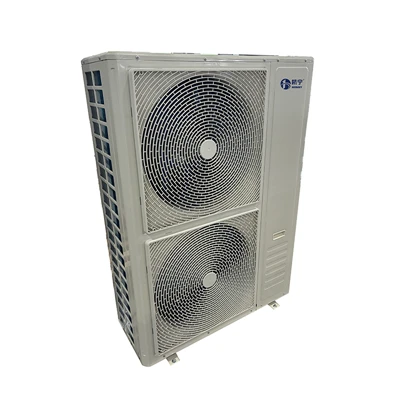
At the end of the day, recovery shouldn’t be a hassle. Ice baths are already a great tool, but adding a built-in massage makes it way more effective, way more convenient, and way less painful. If you’re tired of sore muscles, or tired of setting up messy ice baths every day, it’s worth checking out the right model with a real massage feature. If you have questions, just reach out—we’re here to help.
Commercial Water Heater References
- Cheung K, Hume P, Maxwell L. Delayed onset muscle soreness: treatment strategies and performance factors. British Journal of Sports Medicine. 2003;37(2):113-123.
- Bleakley C, McDonough S, Gardner E, et al. Cold water immersion (CWI) for the management of sports injury: a systematic review. British Journal of Sports Medicine. 2012;46(8):555-561.
- Foote A, et al. Synergistic effects of rhythmic cold water immersion and pneumatic compression on muscle recovery following eccentric exercise. Journal of Sports Medicine and Physical Fitness. 2021;61(10):1421-1428.
Hangzhou Honny Heat Energy Technology Co., Ltd.
We are one of the most experienced ice bath machine manufacturers and suppliers in China. With a professional production team, we are able to meet the needs of the majority of our customers. Please feel free to wholesale customized ice bath machine from our factory. Also, quotation is available.
Address: Dingshan Village, Wenyan Subdistrict, Xiaoshan District, Hangzhou City, Zhejiang Province
E-mail: 524435406@qq.com
WebSite: https://www.hnrnkj.com/
