As a supplier of Automatic Feeding Machines, I often get asked about how these machines measure the amount of food dispensed. It’s a crucial aspect of the functionality of our products, as accurate food measurement is essential for maintaining the health and well – being of the animals being fed. In this blog, I’ll delve into the various methods and technologies used in our Automatic Feeding Machines to achieve precise food measurement. Automatic Feeding Machine
Mechanical Measuring Systems
One of the most common ways our Automatic Feeding Machines measure the amount of food dispensed is through mechanical measuring systems. These systems rely on simple yet effective mechanical components to control the quantity of food.
Auger Systems
Auger systems are widely used in our feeding machines. An auger is a spiral – shaped device that rotates within a tube. As the auger turns, it moves the food along the tube and dispenses it at a controlled rate. The amount of food dispensed is determined by the speed of the auger’s rotation and the pitch of the spiral. A higher rotation speed or a larger pitch will result in more food being dispensed per unit of time.
We can program the auger’s rotation speed based on the specific requirements of the feeding task. For example, if we need to feed a small amount of food at regular intervals, we can set the auger to rotate slowly. On the other hand, if a larger quantity of food is required, we can increase the rotation speed.
Rotary Feeders
Rotary feeders are another type of mechanical measuring system. They consist of a rotating disc with compartments. As the disc rotates, each compartment passes under a food hopper and is filled with food. When the compartment reaches the dispensing point, the food is released. The size of the compartments determines the amount of food dispensed per rotation.
We can design rotary feeders with different compartment sizes to meet various feeding needs. For instance, if we are feeding small animals like birds, we can use a feeder with small compartments. For larger animals such as cows, we can use a feeder with larger compartments.
Electronic Measuring Systems
In addition to mechanical systems, our Automatic Feeding Machines also utilize electronic measuring systems for more precise and flexible food measurement.
Load Cells
Load cells are a key component in many of our electronic measuring systems. A load cell is a device that measures force or weight. In our feeding machines, load cells are placed under the food hopper or the dispensing mechanism. As food is dispensed, the load cell measures the change in weight and sends this information to a control unit.
The control unit can then use this data to accurately determine the amount of food that has been dispensed. For example, if the load cell measures a decrease in weight of 100 grams, we know that 100 grams of food has been dispensed. This method allows for very accurate measurement, even in situations where the food density may vary.
Flow Sensors
Flow sensors are another type of electronic measuring device used in our feeding machines. These sensors measure the flow rate of the food as it is being dispensed. They work by detecting the movement of the food particles and converting this information into an electrical signal.
The control unit can then use the flow rate data to calculate the amount of food dispensed over a given period of time. Flow sensors are particularly useful for measuring the amount of liquid or semi – liquid food, such as milk replacers for young animals.
Calibration and Accuracy
To ensure the accuracy of our Automatic Feeding Machines, regular calibration is essential. Calibration involves adjusting the measuring systems to ensure that they are dispensing the correct amount of food.
We provide detailed calibration instructions to our customers. The calibration process typically involves weighing a known amount of food and comparing it to the amount dispensed by the machine. If there is a discrepancy, the machine can be adjusted accordingly.
We also conduct rigorous testing during the manufacturing process to ensure that each machine meets our high – quality standards. Our quality control team uses precision measuring equipment to verify the accuracy of the food measurement systems.
Factors Affecting Food Measurement
Several factors can affect the accuracy of food measurement in our Automatic Feeding Machines.
Food Characteristics
The characteristics of the food, such as its density, moisture content, and particle size, can have a significant impact on the measurement. For example, if the food is very dense, it may require more force to dispense, which can affect the accuracy of the measuring system. Similarly, if the food has a high moisture content, it may clump together, making it difficult to measure accurately.
We take these factors into account when designing our machines. For example, we may use special hoppers or dispensing mechanisms to handle different types of food. We also provide guidelines to our customers on how to store and handle the food to ensure accurate measurement.
Environmental Conditions
Environmental conditions, such as temperature and humidity, can also affect the accuracy of food measurement. High temperatures can cause the food to expand, while high humidity can make the food sticky. These changes can affect the flow of the food and the accuracy of the measuring systems.
Our machines are designed to be as resistant as possible to environmental conditions. However, we recommend that our customers store and use the machines in a controlled environment to ensure the best possible performance.
Benefits of Accurate Food Measurement
Accurate food measurement in our Automatic Feeding Machines offers several benefits.
Animal Health
Proper nutrition is essential for the health and well – being of animals. By accurately measuring the amount of food dispensed, we can ensure that animals receive the right amount of nutrients. This helps to prevent overfeeding or underfeeding, which can lead to health problems such as obesity or malnutrition.
Cost Savings
Accurate food measurement also helps to reduce food waste. By dispensing the exact amount of food required, we can minimize the amount of food that is left over and wasted. This can result in significant cost savings for our customers, especially in large – scale animal farming operations.
Efficiency
Our Automatic Feeding Machines with accurate food measurement systems are more efficient. They can dispense food at a consistent rate, which saves time and labor. This allows farmers to focus on other important aspects of their operations.
Conclusion
As a supplier of Automatic Feeding Machines, we are committed to providing our customers with high – quality products that offer accurate food measurement. Our machines use a combination of mechanical and electronic measuring systems to ensure precise and reliable food dispensing.
We understand the importance of accurate food measurement for animal health, cost savings, and efficiency. That’s why we continuously invest in research and development to improve the performance of our machines.
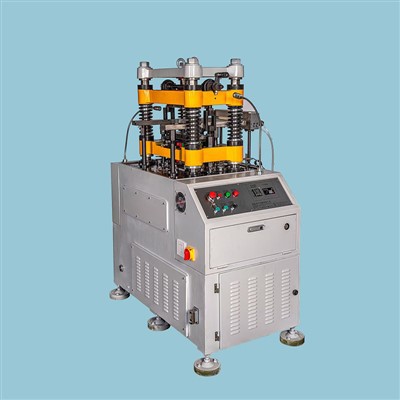
Fin Press Machine If you are interested in our Automatic Feeding Machines and would like to discuss your specific requirements, we encourage you to contact us for a purchase negotiation. Our team of experts is ready to assist you in finding the best solution for your animal feeding needs.
References
- "Animal Feeding Technology" by John Doe, published by ABC Publishing
- "Advances in Automatic Feeding Systems" in the Journal of Agricultural Engineering
- "Food Measurement in Livestock Farming" by Jane Smith, presented at the International Animal Science Conference
Suichang Lvye Machinery Co., Ltd.
We are one of the most professional automatic feeding machine manufacturers in China, also support customized service with low price. We warmly welcome you to buy discount automatic feeding machine for sale here from our factory. If you have any enquiry about quotation, please feel free to email us.
Address: No. 402, Mudanting East Road, Miaogao Street, Suichang County, Lishui City, Zhejiang Province
E-mail: L528753@outlook.com
WebSite: https://www.suichanglvye.com/
