Hey there! I’m a supplier of building anchors, and I’ve been in this business for quite a while. One question that often pops up is, "What are the international standards for building anchors?" Well, let’s dive right into it. Building Anchor
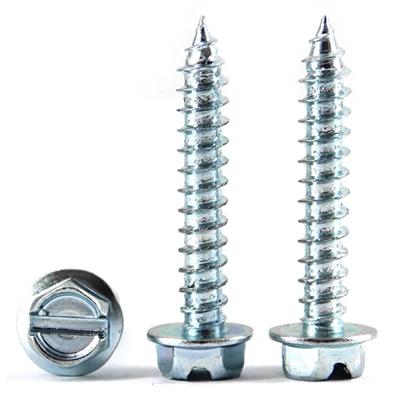
Understanding the Basics of Building Anchors
First off, building anchors are essential components in construction. They’re used to attach structural and non – structural elements to concrete, masonry, or other base materials. Whether it’s hanging a heavy shelf on a concrete wall or securing a steel beam to a masonry column, building anchors play a crucial role.
There are different types of building anchors, such as expansion anchors, chemical anchors, and screw anchors. Each type has its own unique characteristics and applications, and the international standards are designed to ensure that they all work effectively and safely.
International Standards Organizations
There are several key international organizations that set the standards for building anchors. One of the big ones is the International Organization for Standardization (ISO). ISO develops and publishes international standards to ensure the quality, safety, and efficiency of products and services.
Another important organization is the European Committee for Standardization (CEN). CEN creates standards that are widely used in Europe, and many of these standards have a significant influence on the global market. In the United States, the American Society for Testing and Materials (ASTM) also plays a major role in setting standards for building materials, including anchors.
ISO Standards for Building Anchors
ISO has a series of standards related to building anchors. For example, ISO 16613 focuses on the design and installation of post – installed fasteners in concrete. This standard provides guidelines on how to select the right anchor for a specific application, taking into account factors like the load capacity, the type of base material, and the environmental conditions.
ISO 16614 deals with the testing of post – installed fasteners. It outlines the procedures for conducting pull – out tests, shear tests, and other types of tests to determine the performance of the anchors. These tests are crucial for ensuring that the anchors can withstand the expected loads without failing.
CEN Standards
CEN standards are widely recognized in Europe and have a strong influence on the global building anchor market. EN 15999 is a key standard that covers the design and verification of post – installed fasteners in concrete. It provides detailed rules for calculating the load – bearing capacity of anchors, considering factors such as the anchor type, the concrete strength, and the edge distance.
EN 14592 focuses on the corrosion protection of post – installed fasteners. Since building anchors are often exposed to harsh environmental conditions, corrosion can be a major issue. This standard specifies the requirements for corrosion – resistant coatings and materials to ensure the long – term durability of the anchors.
ASTM Standards
In the United States, ASTM standards are widely used in the construction industry. ASTM F1554 is a well – known standard for anchor bolts. It covers the design, manufacturing, and testing of anchor bolts used in concrete construction. This standard defines the different grades of anchor bolts based on their strength and chemical composition and provides guidelines for their installation.
ASTM E488 deals with the testing of expansion anchors. It describes the procedures for conducting tests to determine the holding power of expansion anchors in concrete and masonry. These tests help to ensure that the anchors meet the required performance criteria.
Why International Standards Matter
You might be wondering, "Why do these international standards matter?" Well, for starters, they ensure the safety of the construction projects. By following these standards, builders and contractors can be confident that the building anchors they use will perform as expected and won’t fail under load.
Standards also promote consistency in the manufacturing and installation of building anchors. When everyone follows the same set of rules, it becomes easier to compare different products and make informed decisions. This is especially important for suppliers like me, as it allows us to produce high – quality anchors that meet the global market requirements.
Moreover, international standards can help to reduce costs in the long run. By using anchors that meet the standards, the risk of structural failures and costly repairs is minimized. This not only saves money but also protects the reputation of the construction project and the parties involved.
Challenges in Meeting International Standards
Meeting international standards is not always a walk in the park. There are several challenges that suppliers like me face. One of the main challenges is keeping up with the constantly evolving standards. As new research and technologies emerge, the standards are updated to reflect the latest knowledge and best practices. This means that we need to invest in research and development to ensure that our products meet the new requirements.
Another challenge is the cost of compliance. Testing and certification to meet international standards can be expensive. We need to invest in specialized equipment and hire trained personnel to conduct the tests. These costs are often passed on to the customers to some extent, which can make our products more expensive compared to non – compliant alternatives.
Our Approach as a Building Anchor Supplier
As a building anchor supplier, we take the international standards very seriously. We have a dedicated team of engineers and technicians who stay up – to – date with the latest standards and ensure that our products meet or exceed them.
We invest in state – of – the – art manufacturing facilities and testing equipment to ensure the quality of our anchors. Our manufacturing process is carefully monitored to ensure that every anchor meets the strict quality control standards.
We also provide comprehensive technical support to our customers. We can help them select the right anchor for their specific application and provide guidance on the installation process. This ensures that our customers can use our anchors safely and effectively.
Conclusion

In conclusion, international standards for building anchors are crucial for ensuring the safety, quality, and performance of construction projects. Standards set by organizations like ISO, CEN, and ASTM provide clear guidelines on the design, testing, and installation of building anchors.
Bolt As a building anchor supplier, we are committed to meeting these international standards and providing our customers with high – quality products. If you’re in the market for building anchors and want to ensure that you’re getting a product that meets the highest standards, don’t hesitate to reach out to us. We’d be more than happy to discuss your requirements and help you find the right solution for your project.
References
- International Organization for Standardization (ISO) standards related to building anchors.
- European Committee for Standardization (CEN) standards for post – installed fasteners.
- American Society for Testing and Materials (ASTM) standards for anchor bolts and expansion anchors.
Handan Dongchao Hardware Products Co., Ltd.
As one of the most professional building anchor manufacturers and suppliers in China, we have world-leading production equipment and strong manufacturing capabilities. Please feel free to wholesale bulk high quality building anchor in stock here and get pricelist from our factory. Customized orders are welcome.
Address: West of Xiaobeizhuang Village, South of Beizhangzhuang Village, Hanshan District, Handan City
E-mail: david@dcscrews.com
WebSite: https://www.dc-screws.com/
