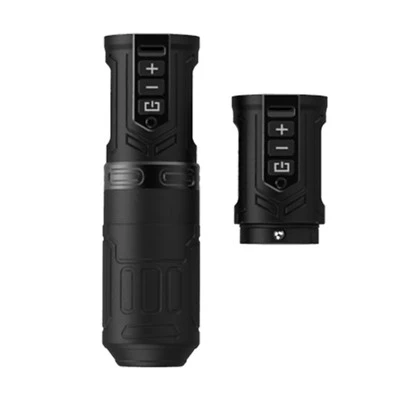
Adjusting the grips on your weightlifting bar is a crucial step that can significantly enhance your performance, comfort, and safety during weightlifting sessions. As a reputable grips supplier, I understand the importance of getting this right. In this blog, I’ll share comprehensive insights on how to adjust the grips on your weightlifting bar effectively. Grips
Understanding the Importance of Proper Grip Adjustment
Before delving into the adjustment process, it’s essential to understand why proper grip adjustment matters. A well – adjusted grip can distribute the weight evenly across your hands and forearms, reducing the risk of injury. It also allows you to maintain better control over the barbell, enabling you to execute lifts with proper form. Moreover, a comfortable grip can improve your overall lifting experience, allowing you to focus on the intensity of your workout rather than discomfort.
Types of Grips and Their Applications
There are several types of grips used in weightlifting, and each has its own unique application.
- Overhand Grip: This is the most common grip, where your palms face away from you. It is widely used in exercises such as the bench press, deadlift, and shoulder press. For an overhand grip, the width between your hands can vary depending on the exercise. For example, in a bench press, a slightly wider than shoulder – width grip can target the chest muscles more effectively.
- Underhand Grip: With an underhand grip, your palms face towards you. This grip is often used in bicep curls and some variations of the pull – up. It places more stress on the biceps and can be adjusted to different widths to target different areas of the muscle.
- Mixed Grip: A mixed grip involves one hand in an overhand position and the other in an underhand position. It is commonly used in deadlifts as it provides better stability and grip strength, especially when lifting heavy weights.
- Close Grip: A close grip is typically less than shoulder – width apart. It is used in exercises like the close – grip bench press, which targets the triceps more intensively.
- Wide Grip: A wide grip, more than shoulder – width apart, is used in exercises such as the wide – grip pull – up. It targets the latissimus dorsi muscles more effectively.
Tools Required for Grip Adjustment
To adjust the grips on your weightlifting bar, you may need a few basic tools:
- Barbell Wrenches: These are used to loosen and tighten the collars that hold the weights on the barbell. They come in different sizes, so make sure you have the right one for your barbell.
- Tape Measure: A tape measure is useful for ensuring that the grips are adjusted to the correct width. This is especially important when following a specific exercise routine that requires a precise grip width.
Step – by – Step Guide to Adjusting Grips
Step 1: Select the Right Grip for Your Exercise
Based on the exercise you plan to perform, choose the appropriate grip type and the desired width. For example, if you’re doing a bench press, an overhand grip slightly wider than shoulder – width is a good starting point.
Step 2: Loosen the Collars
Using the barbell wrenches, loosen the collars on both ends of the barbell. This will allow you to move the weights and grips freely. Be careful not to over – loosen the collars, as this can cause the weights to slide off the barbell.
Step 3: Measure the Grip Width
If precision is required, use a tape measure to mark the desired grip width on the barbell. You can use a piece of chalk or a small piece of tape to make the markings visible. Alternatively, you can use your own body measurements. For a shoulder – width grip, stand with your feet shoulder – width apart and use your hands to measure the distance on the barbell.
Step 4: Position the Grips
Once you have determined the grip width, position the grips on the barbell at the marked locations. Make sure the grips are centered and evenly spaced. If you’re using adjustable grips, adjust them to the appropriate width and ensure they are securely attached to the barbell.
Step 5: Tighten the Collars
After the grips are in place, use the barbell wrenches to tighten the collars. Make sure the collars are tightened firmly to prevent the weights and grips from moving during your workout. However, avoid over – tightening the collars, as this can damage the barbell or the collars themselves.
Step 6: Test the Grip
Before starting your workout, test the grip to ensure it is comfortable and secure. Hold the barbell with the adjusted grips and make a few light movements. Check for any signs of slippage or discomfort. If necessary, make further adjustments to the grip width or position.
Tips for a Better Grip Adjustment
- Practice Regularly: Adjusting the grips correctly takes practice. The more you do it, the more accurate and efficient you will become.
- Listen to Your Body: Pay attention to how your body feels during the grip adjustment process. If a particular grip width or type causes discomfort or pain, adjust it accordingly.
- Keep Your Gear in Good Condition: Regularly inspect your barbell, collars, and grips for any signs of wear and tear. Replace any damaged parts to ensure your safety during workouts.
Our Grips: A Perfect Solution for Your Weightlifting Needs
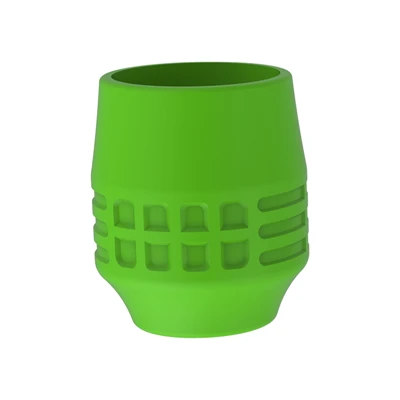
As a leading grips supplier, we offer a wide range of high – quality grips that are designed to meet the needs of weightlifters of all levels. Our grips are made from durable materials that provide excellent grip strength and comfort. They are easy to adjust and can be used with a variety of barbell types.
Whether you’re a beginner looking for a comfortable and secure grip or an experienced weightlifter in need of a high – performance grip, our products are the perfect choice. We understand the importance of having the right equipment for your workouts, and our grips are designed to help you achieve your fitness goals safely and effectively.
Tattoo Power Supply If you’re interested in learning more about our grips or would like to discuss your specific requirements, we encourage you to reach out to us. Our team of experts is always ready to assist you with any questions you may have and to help you find the perfect grips for your weightlifting bar.
References
- "Strength Training Anatomy" by Frederic Delavier. This book provides in – depth knowledge about different weightlifting exercises and the importance of proper grip.
- "Essentials of Strength Training and Conditioning" by Thomas R. Baechle and Roger W. Earle. It offers comprehensive guidelines on weightlifting techniques, including grip adjustment.
Zhuji Taituo Machinery Technology Co., Ltd.
Zhuji Taituo Machinery Technology Co., Ltd. is one of the best grips manufacturers and suppliers in China for over 20 years, also supports customized service. Welcome to buy advanced grips made in China here and get quotation from our factory. For price consultation, contact us.
Address: 101, Building 12, Youdi, No. 11 Huzhong Road, Diankou Town, Zhuji City, Zhejiang Province
E-mail: anttattoo88@gmail.com
WebSite: https://www.antinktattoo.com/
