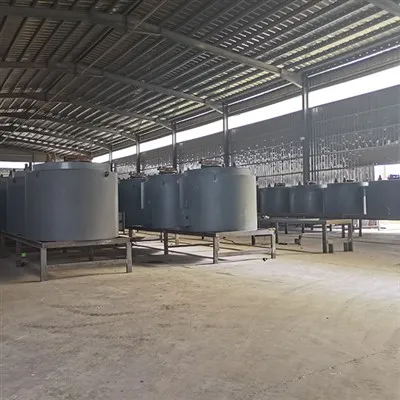
PMMA, or polymethyl methacrylate, is a widely used thermoplastic known for its high transparency, weather resistance, and mechanical properties. It finds applications in various industries, including automotive, construction, and electronics. However, the production and processing of PMMA generate exhaust gases that contain harmful pollutants, such as volatile organic compounds (VOCs), particulate matter, and odorous substances. To meet environmental regulations and ensure a safe working environment, effective PMMA exhaust gas treatment equipment is essential. As a leading supplier of PMMA exhaust gas treatment equipment, I am here to share with you how our equipment works. PMMA Exhaust Gas Treatment Equipment
The Composition of PMMA Exhaust Gas
Before delving into the working principle of our treatment equipment, it’s crucial to understand the composition of PMMA exhaust gas. During the PMMA production process, such as polymerization, extrusion, and molding, different types of pollutants are released. VOCs are one of the primary concerns. These organic compounds can evaporate at room temperature and have adverse effects on human health and the environment. They can cause respiratory problems, eye irritation, and contribute to the formation of ground – level ozone.
Particulate matter is another component of PMMA exhaust gas. These tiny solid or liquid particles can be inhaled into the lungs and cause various health issues, including lung diseases and cardiovascular problems. Additionally, PMMA exhaust gas may also contain odorous substances, which can cause discomfort to workers and nearby residents.
Key Components of Our PMMA Exhaust Gas Treatment Equipment
Our PMMA exhaust gas treatment equipment consists of several key components, each playing a vital role in the purification process.
1. Collection System
The first step in treating PMMA exhaust gas is to collect it effectively. Our collection system is designed to capture the exhaust gas at the source. It typically includes hoods or enclosures installed near the PMMA production equipment. These hoods are carefully designed to ensure maximum capture efficiency, minimizing the escape of pollutants into the surrounding environment. The collected gas is then transported through a network of ducts to the main treatment unit.
2. Pre – treatment Unit
Once the exhaust gas is collected, it enters the pre – treatment unit. This unit is responsible for removing large particulate matter and some of the easily condensable pollutants. A common pre – treatment method is the use of cyclone separators. Cyclone separators work based on the principle of centrifugal force. The exhaust gas enters the cyclone at a high speed, and the centrifugal force causes the heavier particulate matter to be thrown towards the outer wall of the cyclone. The particles then fall to the bottom of the cyclone and are collected for disposal, while the gas with reduced particulate content moves on to the next stage of treatment.
3. Adsorption Unit
The adsorption unit is a critical part of our treatment equipment. In this unit, activated carbon or other adsorbent materials are used to trap VOCs and odorous substances in the exhaust gas. Activated carbon has a large surface area with a highly porous structure, which provides a large number of adsorption sites. When the exhaust gas passes through the adsorption bed filled with activated carbon, the VOC molecules are attracted to the surface of the activated carbon and are held there through physical adsorption. This significantly reduces the concentration of VOCs in the exhaust gas.
Over time, as the activated carbon becomes saturated with adsorbed pollutants, it needs to be regenerated or replaced. We offer options for both in – situ regeneration, where the adsorbed substances are desorbed from the activated carbon using heat or reduced pressure, and simple replacement of the exhausted activated carbon.
4. Oxidation Unit
For more complete removal of VOCs and other recalcitrant pollutants, our equipment may also include an oxidation unit. There are different types of oxidation technologies available, such as catalytic oxidation and thermal oxidation.
In catalytic oxidation, a catalyst is used to lower the activation energy required for the oxidation reaction. The exhaust gas is heated to a specific temperature and passed over the catalyst surface. The catalyst promotes the reaction between the VOCs and oxygen in the gas, converting them into carbon dioxide and water. Catalytic oxidation is an efficient process that can operate at relatively lower temperatures compared to thermal oxidation, which helps to reduce energy consumption.
Thermal oxidation, on the other hand, involves heating the exhaust gas to a high temperature (usually above 600°C) in the presence of oxygen to completely oxidize the pollutants. This method is very effective for treating high – concentration VOC streams but requires more energy input. Our equipment is designed to select the most appropriate oxidation technology based on the specific characteristics of the PMMA exhaust gas, such as the concentration of pollutants, flow rate, and temperature.
5. Filtration Unit
After the oxidation or adsorption process, the exhaust gas may still contain some fine particulate matter or residual pollutants. The filtration unit is used to further purify the gas. High – efficiency particulate air (HEPA) filters or fiber filters can be employed to capture these remaining particles. HEPA filters are capable of removing particles as small as 0.3 micrometers with a high efficiency, ensuring that the treated exhaust gas meets strict environmental standards.
Monitoring and Control System
To ensure the reliable and efficient operation of our PMMA exhaust gas treatment equipment, a sophisticated monitoring and control system is integrated. This system continuously monitors various parameters, such as temperature, pressure, gas flow rate, and pollutant concentrations at different stages of the treatment process.
Sensors are installed at key points in the equipment to collect data in real – time. The collected data is then transmitted to a control panel, where it is processed and analyzed. If any parameter deviates from the set range, the control system can automatically adjust the operating conditions of the equipment, such as adjusting the flow rate of the exhaust gas, the temperature in the oxidation unit, or the regeneration cycle of the adsorption bed. This ensures that the equipment operates at optimal performance and maintains consistent treatment efficiency.
Benefits of Our PMMA Exhaust Gas Treatment Equipment
Our PMMA exhaust gas treatment equipment offers several significant benefits. Firstly, it effectively reduces the emission of harmful pollutants, helping our customers comply with strict environmental regulations. By removing VOCs, particulate matter, and odorous substances, the equipment protects the environment and the health of workers and nearby communities.
Secondly, the high – efficiency treatment process of our equipment ensures a long service life and low operating costs. The pre – treatment unit reduces the load on the subsequent treatment units, extending their service life. The advanced monitoring and control system also helps to optimize energy consumption, reducing overall operating costs.
Finally, our equipment is highly customizable. We understand that different PMMA production processes may generate exhaust gases with different characteristics. Therefore, we can tailor the design and configuration of our treatment equipment to meet the specific needs of each customer, ensuring the most effective and efficient treatment solution.
Conclusion
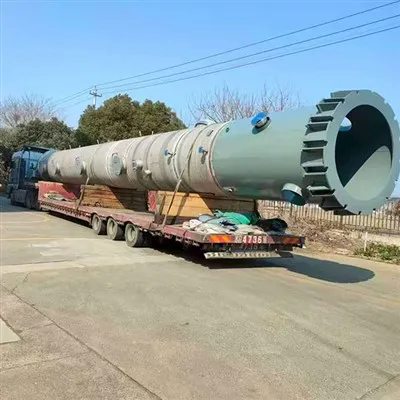
In conclusion, our PMMA exhaust gas treatment equipment is a comprehensive solution designed to effectively remove harmful pollutants from PMMA exhaust gas. Through a series of well – designed components, including the collection system, pre – treatment unit, adsorption unit, oxidation unit, and filtration unit, coupled with a sophisticated monitoring and control system, our equipment can achieve high – efficiency purification of exhaust gas.
PMMA Cracking Furnace If you are in the PMMA production or processing industry and are looking for a reliable and effective exhaust gas treatment solution, we would be delighted to hear from you. Our team of experts is ready to work with you to understand your specific requirements and provide a customized treatment solution. Contact us for a free consultation and let’s start the conversation about how we can help you meet your environmental goals and improve your production process.
References
- "Air Pollution Control: A Design Approach" by Daniel C. Turton, et al.
- "Handbook of Adsorption Technology" by Ralph T. Yang.
- "Catalytic Combustion" by John R. Rostrup – Nielsen and Jens K. Nørskov.
Wuxi Quansheng Industrial Equipment Co., Ltd.
As one of the most professional PMMA exhaust gas treatment equipment manufacturers and suppliers in China, we have world-leading production equipment and strong manufacturing capabilities. Welcome to buy high quality PMMA exhaust gas treatment equipment for sale here from our factory. For price consultation, contact us.
Address: No.10, Fulaiqiao Road, Hudai Town, Binhu District, Wuxi City, Jiangsu Province, China
E-mail: 397293586@qq.com
WebSite: https://www.pmmatech.com/
