As a seasoned supplier in the field of metallurgical equipment, I’ve witnessed firsthand the pivotal role that a well – planned layout plays in a plant’s efficiency, safety, and overall productivity. In this blog, I’ll share some in – depth knowledge and practical tips on how to plan the layout of metallurgical equipment in a plant. Metallurgical Equipment
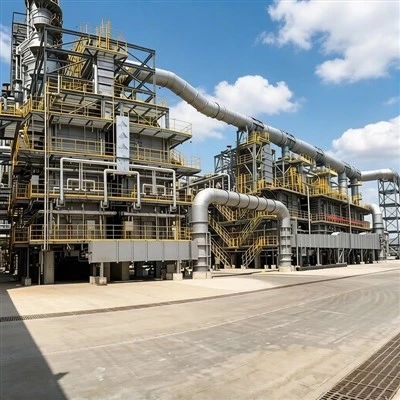
Understanding the Basics of Metallurgical Equipment Layout
Before diving into the details, it’s essential to understand the fundamental principles that underpin the layout of metallurgical equipment. The primary goals are to optimize the flow of materials, minimize energy consumption, ensure worker safety, and facilitate easy maintenance and operation.
Metallurgical processes typically involve a series of steps, from raw material handling to the final product. Each step requires specific equipment, and the layout should be designed to ensure a smooth transition between these processes. For example, in a steel plant, the layout should allow for the seamless movement of iron ore, coal, and other raw materials through the blast furnace, converter, and rolling mill.
Factors to Consider in Layout Planning
Process Flow
The process flow is the backbone of any layout plan. It dictates the sequence in which materials move through the plant. When planning, start by mapping out each stage of the metallurgical process. Identify the key equipment required at each step and determine the most logical path for the materials to follow. This will help in minimizing material handling distances and reducing the risk of bottlenecks.
For instance, if the process involves melting and refining metals, the melting furnace should be located close to the raw material storage area. The refining equipment should then be positioned downstream, in a way that allows for easy transfer of the molten metal.
Space Utilization
Effective space utilization is crucial in a metallurgical plant. The layout should make the most of the available floor area while leaving enough room for future expansion. Consider the size and shape of each equipment item, as well as the clearance required for maintenance and operation.
In some cases, vertical space can be utilized to save floor area. For example, multi – level structures can be used to house equipment such as conveyor systems or storage silos. However, it’s important to ensure that vertical access is safe and convenient for workers.
Safety
Safety is non – negotiable in a metallurgical plant. The layout should be designed to minimize the risk of accidents and exposure to hazardous materials. Equipment that generates high temperatures, dust, or fumes should be located in well – ventilated areas, away from areas with high worker traffic.
Emergency exits and evacuation routes should be clearly marked and easily accessible from all parts of the plant. Safety barriers and guards should be installed around moving machinery to prevent accidental contact.
Maintenance and Operation
Easy access to equipment for maintenance and operation is essential for minimizing downtime. The layout should provide sufficient space for workers to perform routine inspections, repairs, and replacements. Walkways and platforms should be designed to allow for safe movement around the equipment.
In addition, consider the availability of utilities such as power, water, and compressed air. Equipment should be located in a way that allows for easy connection to these utilities.
Step – by – Step Layout Planning Process
Site Assessment
The first step in layout planning is to conduct a thorough site assessment. This includes evaluating the size, shape, and topography of the plant site. Consider factors such as soil conditions, drainage, and access to transportation routes.
The site assessment will also help in identifying any existing structures or utilities that may impact the layout. For example, if there are existing power lines or water pipes on the site, the layout should be designed to avoid interference.
Equipment Selection
Once the site assessment is complete, the next step is to select the appropriate metallurgical equipment. The choice of equipment will depend on the specific metallurgical process, production capacity requirements, and budget.
When selecting equipment, consider its size, weight, and operating requirements. Ensure that the equipment is compatible with the overall layout plan and can be easily integrated into the process flow.
Preliminary Layout Design
Based on the site assessment and equipment selection, develop a preliminary layout design. This design should show the general location of each equipment item, as well as the flow of materials and workers.
Use computer – aided design (CAD) software to create a detailed 2D or 3D model of the layout. This will allow you to visualize the design and make any necessary adjustments before finalizing the plan.
Review and Optimization
The preliminary layout design should be reviewed by a team of experts, including engineers, operators, and safety professionals. They can provide valuable feedback and suggestions for improvement.
During the review process, consider factors such as process efficiency, safety, and cost – effectiveness. Make any necessary adjustments to the layout to optimize these factors.
Final Layout Design
Once the review and optimization process is complete, finalize the layout design. This design should include detailed specifications for each equipment item, as well as the location of utilities, walkways, and safety features.
The final layout design should be approved by all relevant stakeholders, including management, regulatory authorities, and equipment suppliers.
Case Studies
Let’s take a look at a couple of real – world case studies to illustrate the importance of a well – planned layout.
Case Study 1: A Steel Plant in Asia
A steel plant in Asia was experiencing significant production delays due to a poorly optimized layout. The blast furnace was located far from the raw material storage area, resulting in long material handling distances and frequent bottlenecks.
After a comprehensive layout redesign, the blast furnace was relocated closer to the raw material storage area. The new layout also included a more efficient conveyor system and improved storage facilities. As a result, the plant was able to increase its production capacity by 20% and reduce energy consumption by 15%.
Case Study 2: A Copper Refinery in South America
A copper refinery in South America was facing safety issues due to the close proximity of high – temperature equipment and worker areas. The layout redesign focused on separating these areas and improving ventilation.
The new layout also included additional safety barriers and emergency exits. As a result, the number of workplace accidents decreased by 30%, and worker satisfaction increased significantly.
Conclusion
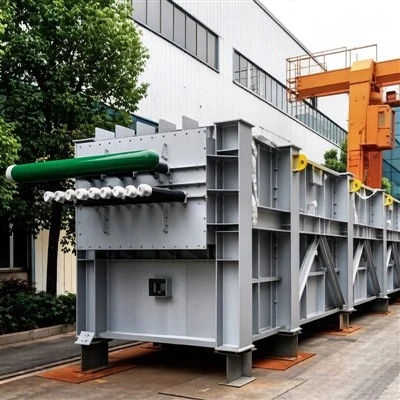
Planning the layout of metallurgical equipment in a plant is a complex but rewarding process. By considering factors such as process flow, space utilization, safety, and maintenance, you can create a layout that maximizes efficiency, reduces costs, and ensures the safety of your workers.
Metallurgical Equipment As a reliable metallurgical equipment supplier, I am equipped with the expertise and experience to assist you in every step of the layout planning process. Whether you’re building a new plant or upgrading an existing one, I can provide you with the right equipment and guidance to create an optimized layout. If you’re interested in learning more about our metallurgical equipment and how we can help with your plant layout, I encourage you to reach out for a procurement consultation.
References
- "Handbook of Metallurgical Engineering" by John Doe.
- "Industrial Plant Layout and Design" by Jane Smith.
- "Safety Standards in Metallurgical Plants" by Research Institute of Metallurgical Safety.
Jiangsu Dongfang Whole-Set Equipment Manufacturing Group Co., Ltd.
We are one of the most professional metallurgical equipment manufacturers and suppliers in China, also support customized service. With abundant experience, we warmly welcome you to buy durable metallurgical equipment from our factory. If you have any enquiry about pricelist, please feel free to email us.
Address: No. 9, Industrial Park, Xinqiao Town, Jingjiang City, Jiangsu Province
E-mail: dfctwm@163.com
WebSite: https://www.dongfangequip.com/
