As a supplier of dyeing auxiliaries, I’ve been getting a lot of questions lately about whether our products can actually cut down on dye consumption. It’s a hot topic in the industry, and I’m here to share my insights based on years of experience and the latest research. Dyeing Auxiliaries
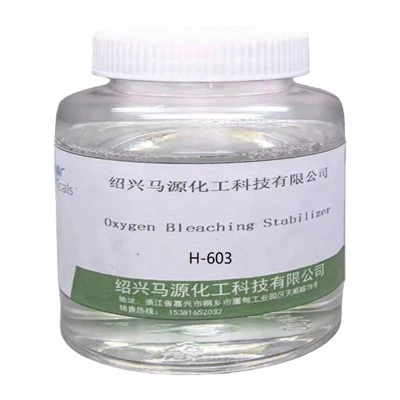
Let’s first understand what dyeing auxiliaries are. They’re like the secret sauce in the dyeing process. These are chemicals that we add to the dye bath to help the dye work better. There are different kinds of dyeing auxiliaries, such as leveling agents, dispersing agents, and fixing agents, each with its own special job.
Leveling agents, for example, are super important. They make sure the dye spreads evenly across the fabric. Think about it like painting a wall. If you don’t spread the paint evenly, you’ll end up with patches. The same goes for dyeing. If the dye doesn’t spread evenly on the fabric, you’ll have some parts that are darker or lighter than others. By using a leveling agent, we can ensure a uniform color, which means we can use the right amount of dye without having to over – dye to cover up uneven spots.
Dispersing agents are another key player. Dyes are often made up of small particles that can clump together. When these clumps form in the dye bath, they can cause problems. The clumps might not dissolve properly, which can lead to uneven dyeing or even staining on the fabric. Dispersing agents break up these clumps and keep the dye particles evenly dispersed in the water. This way, the dye can interact better with the fabric, and we don’t need to use extra dye to make up for the undissolved clumps.
Fixing agents are also crucial. Their main job is to make sure the dye sticks to the fabric. Once the dye is applied to the fabric, it needs to be fixed so that it doesn’t wash out easily. A good fixing agent can enhance the adhesion between the dye and the fabric. If the dye is well – fixed, there’s less chance of it bleeding or fading during washing. This means we don’t have to use more dye to compensate for the loss during the washing and subsequent use of the fabric.
Now, let’s talk about some real – world evidence. I’ve been in touch with a few textile mills that have started using our dyeing auxiliaries. One of them, a medium – sized mill that dyes cotton fabrics, saw a significant reduction in dye consumption after introducing our leveling and dispersing agents. They used to have a lot of issues with uneven dyeing, so they would often add more dye to try and fix it. But once they started using our products, the dyeing process became much more efficient. They were able to achieve the same color intensity with about 15% less dye.
Another mill that focuses on synthetic fabrics reported similar results. After using our fixing agents, they noticed that the fabric retained its color much better after washing. As a result, they could cut down on the amount of dye used in the initial dyeing process. They were quite surprised at how much they could save in terms of dye costs.
There are also some scientific studies that back up these practical observations. In a recent research paper, scientists analyzed the effects of different dyeing auxiliaries on dyeing efficiency. They found that when the right combination of auxiliaries was used, the uptake of dye by the fabric increased. This means that more of the dye in the bath actually ended up on the fabric, rather than being left in the solution. When the dye uptake is higher, we clearly don’t need as much dye to achieve the desired color.
But it’s not just about reducing the amount of dye. Using dyeing auxiliaries can also have other benefits. For one, it can improve the quality of the dyed fabric. As I mentioned earlier, the auxiliaries help to achieve a more uniform color and better color fastness. This makes the fabric more appealing to consumers and can increase its market value.
It’s also better for the environment. When we use less dye, we reduce the amount of wastewater that contains dye residues. Dye wastewater can be very harmful to the environment as it can pollute water sources and harm aquatic life. By cutting down on dye consumption, we’re taking a step towards more sustainable textile production.
So, to answer the question, "Can dyeing auxiliaries reduce the consumption of dyes?" The answer is a resounding yes. Based on my experience as a supplier and the evidence from mills and scientific research, dyeing auxiliaries can significantly cut down on the amount of dye needed in the dyeing process.
If you’re a textile manufacturer looking to improve your dyeing efficiency, reduce costs, and make your production more sustainable, I’d highly recommend giving our dyeing auxiliaries a try. We’ve got a wide range of products that are carefully formulated to meet the different needs of the textile industry. Whether you’re dyeing natural fibers like cotton and wool or synthetic fibers like polyester and nylon, we have the right auxiliaries for you.
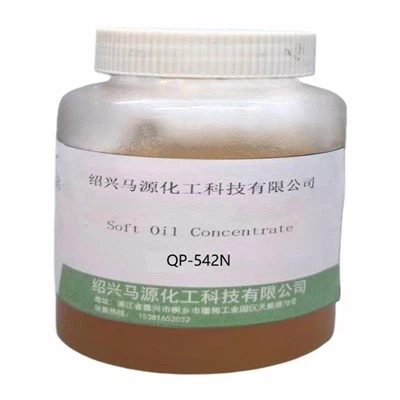
If you’re interested in learning more about our products or starting a partnership, don’t hesitate to reach out. We’re always happy to have a chat, answer your questions, and provide samples for you to test. Let’s work together to make your dyeing process more efficient and sustainable.
Finishing Agent References
- A research study on the impact of dyeing auxiliaries on dye uptake and color fastness, Journal of Textile Science
- Interviews and case studies from textile mills using different dyeing auxiliaries
Shaoxing Mayor Chemical & Technology Co., Ltd.
We are one of the most reliable dyeing auxiliaries manufacturers and suppliers in China, specialized in providing high quality products with low price. We warmly welcome you to buy discount dyeing auxiliaries for sale here from our factory. For pricelist, contact us now.
Address: No. 78, Tianshun Road, Tudian Industrial Park, Tongxiang City, Jiaxing City, Zhejiang Province, China
E-mail: 627249875@qq.com
WebSite: https://www.mayorchemicals.com/
