What are the counter – measures used in Anti Drone Systems?
In recent years, the rapid proliferation of drones has brought numerous benefits in fields such as aerial photography, delivery, and surveying. However, it has also raised significant security concerns, including unauthorized surveillance, privacy violations, and potential threats to critical infrastructure. As an Anti Drone System supplier, I have witnessed firsthand the growing importance of effective counter – measures to address these challenges. Anti Drone System
1. Detection Technologies
The first step in any anti – drone system is detection. There are several technologies available for detecting drones, each with its own advantages and limitations.
Radar Detection
Radar is one of the most commonly used detection technologies. It works by emitting radio waves and analyzing the reflections from objects in the air. Modern radar systems can detect drones at various distances, depending on their power and sensitivity. For example, some high – end radar systems can detect small drones up to several kilometers away. Radar can provide real – time information about the drone’s position, speed, and direction of movement. However, radar can be affected by environmental factors such as weather conditions and clutter from other objects, which may lead to false alarms.
Optical and Thermal Imaging
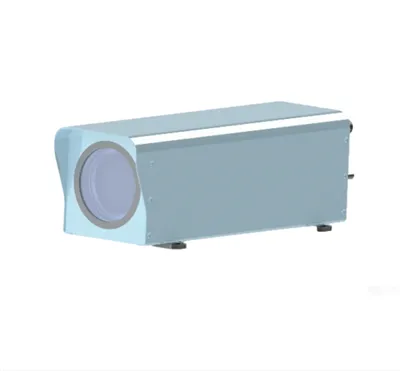
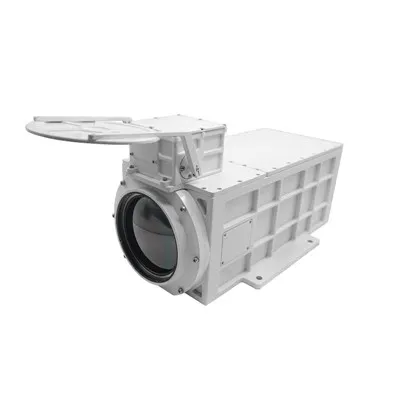
Optical cameras and thermal imagers are also widely used for drone detection. Optical cameras can provide high – resolution images of the drone, allowing operators to identify its type and model. Thermal imagers, on the other hand, detect the heat signatures emitted by drones. This technology is particularly useful at night or in low – light conditions when optical cameras may have limitations. However, both optical and thermal imaging have limited range compared to radar, and they may require a clear line of sight to the drone.
Acoustic Detection
Acoustic sensors can detect the sound produced by drones. Drones typically generate a distinct buzzing sound, which can be picked up by acoustic sensors. Acoustic detection is relatively inexpensive and can be used in areas where other detection methods may not be suitable. However, it is highly susceptible to background noise, and its range is limited.
Radio Frequency (RF) Detection
Most drones communicate with their operators using radio frequency signals. RF detectors can scan the airwaves for these signals and identify the presence of drones. RF detection can also provide information about the type of drone and its communication protocol. This technology is effective in detecting drones even when they are not visible or making noise. However, some drones may use encrypted or low – power RF signals, which can make them more difficult to detect.
2. Tracking and Identification
Once a drone is detected, it is essential to track its movement and identify its type. Tracking allows the anti – drone system to continuously monitor the drone’s position and predict its future path. Identification helps in determining the appropriate counter – measure to be taken.
Multi – sensor Fusion
To improve tracking and identification accuracy, many anti – drone systems use multi – sensor fusion. This involves combining data from multiple detection technologies, such as radar, optical cameras, and RF detectors. By integrating the information from different sensors, the system can provide a more comprehensive and accurate picture of the drone’s behavior. For example, radar can provide the general position and movement of the drone, while optical cameras can confirm its identity.
Machine Learning and Artificial Intelligence
Machine learning and artificial intelligence algorithms are increasingly being used in anti – drone systems for tracking and identification. These algorithms can analyze the data collected by the sensors and learn to recognize different types of drones based on their signatures, such as RF patterns, flight characteristics, and visual appearance. This allows the system to quickly and accurately identify the drone and determine whether it poses a threat.
3. Mitigation Techniques
After detecting and tracking a drone, the next step is to take appropriate counter – measures to neutralize the threat. There are several mitigation techniques available, each with its own advantages and disadvantages.
Jamming
Jamming is one of the most common mitigation techniques. It involves transmitting high – power radio frequency signals to disrupt the communication between the drone and its operator. By jamming the control and navigation signals, the drone can be forced to land or return to its starting point. There are different types of jamming, including GPS jamming, which disrupts the drone’s positioning system, and RF jamming, which blocks the communication link between the drone and the controller. However, jamming can also interfere with other legitimate radio frequency devices in the area, and in some countries, it may be illegal without proper authorization.
Net Guns and Projectiles
Net guns and projectile – based systems are physical mitigation techniques. Net guns fire a net at the drone, which entangles it and causes it to fall to the ground. Projectile – based systems, such as small rockets or pellets, can be used to physically disable the drone. These techniques are effective at close range and can be used in situations where jamming is not possible or not desirable. However, they require a high level of accuracy and may pose a risk of collateral damage.
Laser – based Systems
Laser – based anti – drone systems use high – energy lasers to damage or destroy the drone. The laser can target the drone’s critical components, such as the motors or the control systems. Laser – based systems offer high precision and can be used at relatively long ranges. However, they require a significant amount of power and may be affected by weather conditions, such as fog or rain.
Hacking and Hijacking
In some cases, it may be possible to hack into the drone’s control system and take over its operation. This involves exploiting vulnerabilities in the drone’s software or communication protocol. By hijacking the drone, the operator can land it safely or redirect it away from the protected area. However, this technique requires a high level of technical expertise and may be subject to legal restrictions.
4. Integration and Deployment
An effective anti – drone system should not only have reliable detection, tracking, and mitigation capabilities but also be easy to integrate and deploy.
System Integration
The anti – drone system should be able to integrate with other security systems, such as surveillance cameras, access control systems, and alarm systems. This allows for a more comprehensive security solution and enables seamless communication between different components. For example, when a drone is detected, the anti – drone system can automatically trigger an alarm and send a notification to the security personnel, who can then view the live video feed from the surveillance cameras in the area.
Deployment Considerations
The deployment of an anti – drone system depends on various factors, such as the size of the protected area, the type of threats, and the environmental conditions. In large – scale deployments, multiple detection and mitigation units may be required to cover the entire area. The system should also be designed to be portable and easy to install, especially in temporary or mobile security applications.
5. Conclusion and Call to Action
As the threat of unauthorized drones continues to grow, the need for effective anti – drone systems has never been greater. Our company, as a leading Anti Drone System supplier, offers a comprehensive range of solutions that combine the latest detection, tracking, and mitigation technologies. Our systems are designed to be reliable, easy to use, and customizable to meet the specific needs of our customers.
Whether you are protecting a critical infrastructure, an event venue, or a private property, our anti – drone systems can provide you with the peace of mind you need. We understand the importance of security in today’s world, and we are committed to providing our customers with the best possible solutions.
Anti Drone System If you are interested in learning more about our anti – drone systems or would like to discuss your specific security requirements, please do not hesitate to contact us for a procurement consultation. Our team of experts is ready to assist you in finding the most suitable solution for your needs.
References
- "Drone Detection and Counter – Drone Technologies: A Review," Journal of Aerospace Engineering
- "Radar – based Drone Detection and Tracking," Proceedings of the IEEE International Conference on Radar
- "Optical and Thermal Imaging for Drone Surveillance," International Journal of Computer Vision
- "Radio Frequency Jamming Techniques for Anti – Drone Systems," IEEE Transactions on Electromagnetic Compatibility
- "Machine Learning in Drone Identification and Tracking," Journal of Artificial Intelligence Research
Xi’an Zhongke Lead Ir-Tech Co., Ltd.
We are one of the most experienced anti drone system manufacturers in China, specialized in providing high quality OEM products with the industrial grade. We warmly welcome you to wholesale high performance anti drone system at an affordable price from our factory.
Address: Building 8,Hard Technology Enterprise Community No.3000,Biyuan 2nd Rd,High-Tech Zone Xi’an,Shaanxi,China
E-mail: sales@lead-ir.com
WebSite: https://www.leadinfrared.com/
