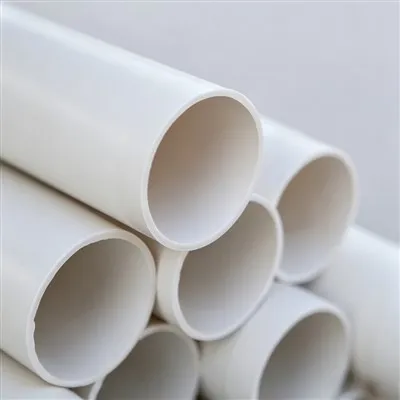
Hey there! As a supplier of PVC pipes, I often get asked if PVC pipes can be used for gas lines. It’s a question that comes up a lot, and it’s important to have a clear understanding of the answer. So, let’s dive right in and explore this topic. PVC Pipes

First off, let me give you a bit of background on PVC pipes. PVC, or polyvinyl chloride, is a type of plastic that’s incredibly popular for a whole bunch of plumbing applications. It’s cheap, lightweight, easy to install, and it lasts a long time. You’ll see PVC pipes used in all sorts of places, like in homes for water supply lines, drainage systems, and even in some irrigation setups.
But when it comes to gas lines, things get a little more complicated. The short answer is that, in most cases, you shouldn’t use PVC pipes for gas lines. There are a few main reasons for this.
One of the biggest issues is that PVC is a thermoplastic. That means it can soften and deform when it gets too hot. Gas lines can sometimes experience increases in temperature, especially if they’re near appliances that generate heat or in areas where the ambient temperature is high. If the PVC pipe softens, it can lose its structural integrity, and that’s a huge safety risk. A pipe that’s lost its shape might develop leaks, and as we all know, gas leaks are super dangerous. They can lead to explosions, fires, and serious health problems if you inhale the gas.
Another problem is that PVC is more brittle compared to other materials commonly used for gas lines. It can crack or break under stress. Things like ground movement, which is pretty normal over time, can put stress on the pipe. If you’ve ever seen a pipe that’s cracked because of the ground shifting, you know how bad that can be. A cracked gas line can release gas into the environment, and again, that’s just not something you want to happen.
Also, PVC isn’t great at withstanding the chemicals that are present in natural gas. Natural gas usually has additives, and these can react with the PVC over time. This reaction can cause the pipe to degrade, making it more likely to fail.
So, while PVC pipes have a lot of great qualities for other applications, they just don’t cut it for gas lines. In most places, it’s actually against the law to use PVC pipes for gas distribution. Building codes and regulations are in place to make sure we’re all safe, and they typically specify that materials like steel, copper, or CSST (corrugated stainless – steel tubing) should be used for gas lines.
Now, I know what some of you might be thinking: "But there are all these other benefits of PVC. Couldn’t there be a way to use it safely for gas?" Well, some companies have been looking into it. There are new types of PVC – related materials that are being developed with better resistance to heat, chemicals, and stress. These might, in the future, offer a safer alternative for gas lines. But as of right now, these are still in the experimental or early – adoption stages.
As a PVC pipe supplier, I want to be honest with you. I’d love to sell PVC pipes for every plumbing job out there, but I can’t in good conscience recommend using them for gas lines. It’s not worth the risk to your safety or the safety of your property.
If you’re in the market for PVC pipes for other applications, though, we’ve got you covered. We offer a wide range of PVC pipes in different sizes and thicknesses. Whether you’re working on a small home plumbing project or a large – scale commercial job, we’ve got the right pipe for you. Our PVC pipes are made from high – quality materials, and we stand behind the quality of our products.
If you’re planning a water supply project, PVC pipes are a great choice. They’re corrosion – resistant, which means they’ll last a long time without getting rusty or clogged. And because they’re lightweight, they’re easier to handle and install than heavier materials like metal pipes.
For drainage systems, PVC pipes are also a top pick. They have a smooth interior, which allows water to flow freely and reduces the chances of blockages. Plus, they’re resistant to the chemicals and waste that can be found in drainage systems.
So, if you’re interested in our PVC pipes for these non – gas – related applications, don’t hesitate to reach out. We’re here to help you with your project, answer any questions you might have, and give you the best advice on which pipes are right for you. Whether you’re a DIY enthusiast or a professional contractor, we’re happy to work with you.
In conclusion, while PVC pipes have many advantages in the plumbing world, using them for gas lines is a big no – no for now. But for everything else from water supply to drainage, our PVC pipes are a reliable and cost – effective option. If you’re looking to buy PVC pipes for your next project, just get in touch with us. We’re looking forward to serving you and helping your project succeed.
Plastic Pipe References:
- National Fire Protection Association (NFPA) codes related to gas piping.
- Local building codes and regulations regarding gas line materials.
- Industry research on the properties of PVC pipes and their suitability for different applications.
Hebei Ruijie Pipe Industry Co., Ltd.
Address: Industrial Park, Shaozhuang Township, Suning County, Cangzhou City, Hebei Province
E-mail: 1987870474@qq.com
WebSite: https://www.rjpprpipe.com/
