Air cargo containers are essential components in the global air freight industry, facilitating the safe and efficient transportation of goods across vast distances. As a supplier of air cargo containers, I have a deep understanding of the various materials used in their construction. This blog will explore the primary materials employed in the manufacturing of air cargo containers, their properties, advantages, and considerations for different applications. Air Cargo Container
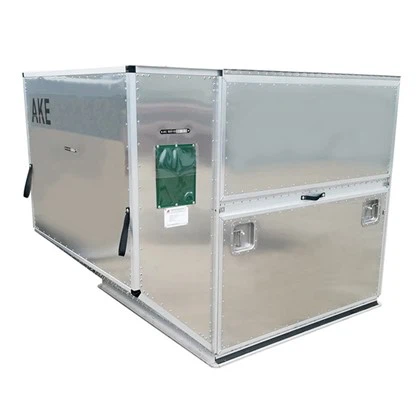
Aluminum: The Industry Standard
Aluminum is by far the most widely used material for air cargo containers. Its popularity stems from a combination of advantageous properties that make it ideal for the demanding requirements of air transportation.
One of the key benefits of aluminum is its lightweight nature. In the aviation industry, weight is a critical factor as it directly impacts fuel efficiency and operational costs. Aluminum containers significantly reduce the overall weight of the cargo, allowing airlines to carry more payload without exceeding weight limits. This not only maximizes profitability but also contributes to environmental sustainability by reducing fuel consumption and carbon emissions.
Despite its low weight, aluminum is still remarkably strong and durable. It can withstand the rigors of loading, unloading, and transportation, including significant stress and impacts. Aluminum is resistant to corrosion, a crucial property considering the various environmental conditions cargo containers may encounter during their travels. This resistance ensures a long service life, reducing the need for frequent replacements and minimizing maintenance costs.
Aluminum is also highly malleable, which means it can be easily formed into complex shapes and designs. This allows for the customization of air cargo containers to meet specific customer requirements, such as different sizes, configurations, and features. The ability to manufacture containers with precise dimensions ensures a perfect fit within aircraft holds, optimizing space utilization and enhancing loading efficiency.
Steel: Strength and Security
While aluminum is the dominant material, steel is also used in the construction of certain types of air cargo containers, particularly those designed for heavy or high – value cargo. Steel offers exceptional strength and security, making it suitable for transporting items that require extra protection.
The high tensile strength of steel allows containers to withstand extreme forces and heavy loads. This is particularly important for transporting large machinery, industrial equipment, or other bulky items that may exert significant pressure on the container walls. Steel containers are also more resistant to tampering and theft compared to their aluminum counterparts, making them a popular choice for valuable or sensitive cargo.
However, the main drawback of steel is its weight. Steel containers are significantly heavier than aluminum ones, which can limit the amount of payload an aircraft can carry. The increased weight also leads to higher fuel consumption, which in turn raises operational costs. As a result, steel containers are typically used only when the need for strength and security outweighs the disadvantages of added weight.
Composite Materials: The Future of Air Cargo Containers
In recent years, composite materials have emerged as a promising alternative for air cargo container construction. Composites are made by combining two or more different materials with distinct properties to create a material with enhanced performance characteristics.
One of the most common types of composite materials used in aerospace applications is carbon fiber reinforced polymer (CFRP). CFRP composites offer a unique combination of high strength, low weight, and excellent fatigue resistance. They can be up to 50% lighter than steel and 30% lighter than aluminum while maintaining comparable or even superior strength.
The use of composites in air cargo containers can lead to significant weight savings, which translate into substantial fuel savings and increased payload capacity. Additionally, composites are highly resistant to corrosion and are less likely to suffer from fatigue-related failures compared to traditional metals. This can result in longer container lifespans and reduced maintenance requirements.
However, the widespread adoption of composite materials in air cargo containers is still hindered by several factors. The manufacturing process for composites is complex and costly, which increases the initial purchase price of the containers. There are also concerns about the repair and recycling of composite containers, as specialized techniques and equipment are required for these operations.
Considerations for Material Selection
When selecting the appropriate material for air cargo containers, several factors need to be taken into account.
The nature of the cargo is perhaps the most important consideration. For light – weight and general – purpose cargo, aluminum containers are usually the best choice due to their combination of weight savings and durability. For heavy or high – value cargo, steel containers may be more appropriate to provide the necessary strength and security. If the cargo requires the utmost in weight savings and performance, composite containers could be considered, although the cost and logistical challenges need to be carefully evaluated.
The operating environment also plays a role in material selection. Containers that will be exposed to harsh weather conditions or corrosive substances may benefit from the corrosion resistance of aluminum or composites. In contrast, containers used in more controlled environments may not require such high levels of corrosion protection.
Cost is another significant factor. Aluminum containers are generally more cost – effective than steel or composite containers in terms of both initial purchase price and long – term maintenance. However, the overall cost – effectiveness also depends on factors such as fuel savings, payload capacity, and container lifespan.
Conclusion
In conclusion, air cargo containers are made from a variety of materials, each with its own unique set of properties, advantages, and limitations. Aluminum remains the industry standard due to its lightweight, strong, and corrosion – resistant nature. Steel is used for applications where strength and security are paramount, while composite materials hold great promise for the future but face challenges in terms of cost and logistics.
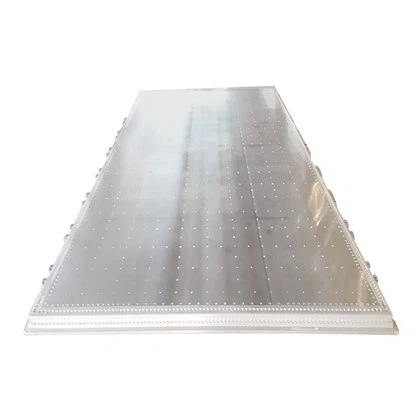
Air Cargo Pallet As a supplier of air cargo containers, I am committed to providing high – quality products that meet the diverse needs of our customers. Whether you are looking for a lightweight aluminum container for general cargo or a heavy – duty steel container for valuable items, we have the expertise and resources to offer the right solution. If you are interested in purchasing air cargo containers or would like to discuss your specific requirements, please feel free to get in touch with us for a personalized consultation.
References
- Aircraft Cargo Containers Handbook, International Air Transport Association (IATA)
- Metals Handbook Volumes, ASM International
- Composite Materials in Aerospace: A Review, Journal of Aerospace Engineering
Wuxi Aviation Ground Equipment Co., Ltd.
Wuxi Aviation Ground Equipment Co., Ltd. is well-known as one of the leading air cargo container manufacturers and suppliers in China. Please rest assured to buy or wholesale discount air cargo container for sale here from our factory. For price consultation, contact us.
Address: No.18 Dingxiang East Road, Hudai Town, Binhu District, Wuxi, Jiangsu, P.R. China
E-mail: sales@wxagecl.com
WebSite: https://www.wxagecl.com/
