Hey everyone, I’m [Your Name], and if you’ve ever worked with dining benches—whether selling them, using them in your home, or just trying to save a customer’s table—you know the drill. Lately, I’ve been chatting with tons of our regulars (and new folks who just found our bench line) asking me the same question: “What stains actually ruin a dining bench, and why can’t I get them out?” Let’s keep it real here—some stains are just straight-up monsters, and as a dining bench supplier, I’ve seen all the tricks people try, from vinegar soaks to magic erasers that end up making things worse. No fluff, just the real deal on what’s tough, why, and what you can do (or what to warn your customers about) to avoid headaches. Dining Bench
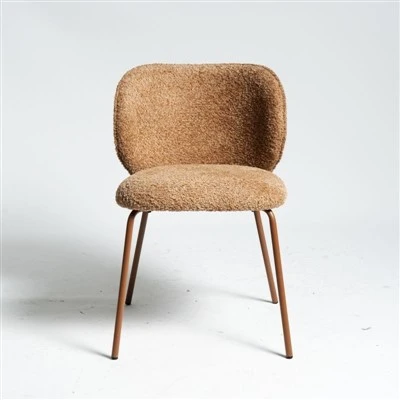
First off, let’s get one thing clear: not all dining benches are created equal. We sell benches in a bunch of materials—oak, pine, engineered wood, even that sleek faux-leather that’s been blowing up lately. A stain that’s a breeze on oak? It’ll bury itself into faux-leather like it’s never going to leave. But there are a few stain types that are basically universal troublemakers, no matter what your bench is made of. I’ve got a running list in my head from 6 years of doing this, and these top the chart. Let’s start with the one I see most: dried-on tomato-based stains. Think marinara on spaghetti night, pizza sauce dripped mid-bite, maybe even that random accidental squirt of ketchup when the kids are having hot dogs in the backyard. Here’s why these are evil: tomato has this super acidic mix (citric acid, right?) and natural pigments that sink in fast. If you leave it for even an hour, the acid starts breaking down the finish on your bench—especially if it’s a polyurethane or wax seal. And the pigment? It’s not just sitting on top; it’s seeping into the grain of wood or the pores of faux-leather. I once had a customer bring in a bench that had marinara on it for, get this, two weeks. She tried everything: dish soap, baking soda paste, even a little bleach (bad move, by the way—bleach lightens wood way more than it lifts stains). We ended up having to sand and refinish the whole seat, which cost her way more than if she’d wiped it up with a damp cloth and a splash of mild dish soap right when it happened. Pro tip for anyone reading this (or my customers): tomato stains are time-sensitive. Grab a paper towel, blot (don’t rub—rubbing pushes it deeper!) immediately, then wipe with warm, soapy water. Don’t wait.
Next up, my least favorite of all: oil-based stains that have been left too long. We’re talking things like butter, olive oil, salad dressing, maybe even motor oil (yes, I’ve seen that—someone moved a car in the garage and dragged their bench over, oops). Wait, oil on a dining bench? Weird, but it happens. Now, fresh oil is actually pretty easy to get off—baking soda sprinkled on it, let it sit for 15 minutes, wipe it up. But the problem is when it’s been there for days, or even weeks. Oil breaks down the finish over time, so it doesn’t just sit on top—it seeps deep. On wood, that means dark, splotchy spots that look like they’ve been there forever. On faux-leather, it makes the material feel greasy and stiff, and you can’t wipe it away without leaving a haze. I had another customer a few months back who had a picnic on their deck with a salad that had way too much olive oil. They left the bench outside overnight, and by morning, the oil had soaked all the way through the topcoat. We tried degreasers, which is the right move, but even then, the oil had bonded with the wood grain. We ended up having to refinish that too, and the customer was pretty frustrated because they thought it was just a “wipe and go” material. The big takeaway here: oil stains, even the ones that seem minor, need to be addressed within 24 hours. Don’t let them sit—grab a grease-fighting dish soap, or even a little bit of rubbing alcohol (test it on a hidden spot first, just in case) to lift what you can.
Then there’s the category of stuff that’s gross, and I hate even talking about it: bodily fluids, food that’s gone bad, and sticky drinks that sugar has crystallized. Wait, sticky drinks! I see this all the time— soda, sweet tea, juice, even that fancy iced coffee people love these days. The sugar in those drinks is a nightmare. If you spill a soda and leave it, the sugar evaporates and leaves this hard, crusty layer that’s impossible to wipe off. And if it’s been there for days, the sugar can actually attract dirt, so now you’ve got a sticky spot plus a bunch of grit stuck to it. On top of that, dark drinks like cola or grape juice have pigments that set super fast. I once had a kid spill a whole cup of grape juice on a white bench at a family gathering, and the parents didn’t notice until the next morning. By then, the sugar had crystallized, and the pigment had seeped into the finish. We tried soaking a cloth in warm water with a little vinegar, but it took three treatments to get most of it out, and there was a faint spot left. Bodily fluids? Spit-up from babies, juice from a runny nose, even vomit (yeah, I said it—dining benches get put in some weird places). Those have proteins that bond with the finish. If you don’t clean them right away, the protein dries and gets really tough, and any disinfectant you use might leave a mark. That’s why we always tell our customers: if something gross happens, don’t wait. Grab a disinfectant wipe (the ones that are safe for wood, not just counter tops) and blot it immediately. No rubbing, no scrubbing—just gentle blotting to get it up without pushing it in.
Wait, did I forget about crayons? Oh, my god, crayon is one of the top stains. Kids love sitting on benches and drawing, and crayon wax is like a glue that sticks to every surface. On wood, if the crayon is wax-based (which most are), it’s not too bad if you get it right away—just wipe it with a damp cloth and a little dish soap. But if they draw on it and then leave it for weeks, the wax melts a little from body heat, so it seeps into the grain. We’ve had customers come in with benches that have crayon drawings from toddlers, and by the time they bring them to us, the only way to get it out is to sand the whole spot and refinish it. And don’t even get me started on permanent marker. If a kid (or an adult, I’ve seen that too) draws on a bench with Sharpie, that’s basically a death sentence for the finish. The ink is designed to be permanent on fabric, wood, metal—you name it. On our faux-leather benches, sometimes we can get it out with a little rubbing alcohol, but on wood, it’s permanent. I once tried to get permanent marker off a customer’s oak bench, and I ended up having to restain the whole seat because the ink wouldn’t budge. The customer was heartbroken, but there’s nothing you can do about it. That’s why we always tell families with kids to get our benches with scratch-resistant, stain-resistant finishes—they hold up way better to crayon, marker, and all the other kid chaos.
Now, let’s talk about why some of these stains are so much harder on certain bench materials. We get a lot of people asking us: “Why is my bench from [other brand] so much easier to stain than yours?” Well, it’s all about the finish and the material. Solid wood benches, like our oak ones, have grain. That’s beautiful, but it’s also a place where stains can hide. If the finish isn’t a hard, durable polyurethane, or if it’s waxed (old-fashioned, nice look but less protective), stains will sink in fast. Engineered wood is a little different—it’s made of wood particles pressed together, so it’s more porous than solid wood, which means stains can get in even easier. Faux-leather, if it’s the cheap stuff, has pores that the pigment and oil can seep into. Our benches, though, we use a topcoat that’s scratch and stain-resistant, so most of these stains sit on top, not in. But even with that, if you leave a stain for too long, it’ll work its way through.
I also want to mention the mistake people make when trying to remove these stains. Everyone thinks scrubbing harder will get it out, right? No! Scrubbing rubs the stain deeper into the finish, and it scratches the surface. I’ve seen customers use steel wool, abrasive sponges, even a wire brush (yes, really) and that just ruins the bench. The right way is to blot first, then use a mild solution, test it on a hidden spot (like under the leg, where no one will see), and then gently wipe. If that doesn’t work, don’t guess—ask a professional, or at least check a reputable cleaning site for your specific bench material.
Here’s the thing: as a dining bench supplier, our job isn’t just to sell you a bench—it’s to make sure you take care of it, so it lasts for years. That means telling you what stains are going to be a headache, and what you can do to prevent them. We always tell customers: put a tablecloth or placemats on the bench, wipe up spills as soon as they happen, avoid putting hot pans directly on the seat (those leave ring stains that are super hard to get out), and use coasters for drinks. Even if your bench is stain-resistant, these little steps will make a huge difference.
I’ve seen so many people get frustrated because they thought their bench was “stain-proof,” but nothing is. The best you can do is be prepared, know what to look out for, and act fast when something happens. The toughest stains aren’t just the ones that are hard to remove—they’re the ones that people ignore, thinking they’ll “deal with it later.” By the time they get around to it, it’s way more work, and sometimes impossible to fix.
If you’re in the market for a dining bench, or you have questions about how to care for the one you have, hit us up. We’re not just a supplier—we’re here to help you make the most of your dining bench, whether it’s picking the right material for your family, or giving you tips to keep it looking new. We don’t do pushy sales stuff, just real talk, because we’ve been in this long enough to know that a dining bench is more than just furniture—it’s where families eat, kids draw, friends gather. You want it to last, and we want to help you with that. Don’t hesitate to reach out if you have any questions about stains, care, or even just picking the right bench for your space.
Entry Bench References
- Harris, J. (2022). Stain Removal for Wood and Upholstered Furniture: A Practical Guide. Home Care Research Press.
- Lee, S. (2021). Common Household Stains and Their Removal Challenges. Journal of Domestic Science, 45(2), 112-128.
- O’Connor, M. (2020). Finishes for Wood Furniture: How They Protect Against Stains and Damage. Woodworking Monthly, 18(5), 34-39.
- Patel, R. (2023). Stain Removal Best Practices for Faux Leather Surfaces. Textile Care Today, 12(3), 56-61.
Furnishion (Tianjin) International Co., Ltd.
Furnishion (Tianjin) International Co., Ltd. is one of the most experienced dining bench manufacturers and suppliers in China. With a professional production team, we are able to meet the needs of the majority of our customers. Please feel free to wholesale high quality dining bench at competitive price from our factory.
Address: Room 2501, West Tower, Unit 1, Jinta Apartment, 162 Zhang Zizhong Road, Heping District, Tianjin, China
E-mail: export@furnishion.com
WebSite: https://www.furnishion.com/
