If you’re running a restaurant, the tools you choose for food storage aren’t just an afterthought—they’re a core part of how you cut waste, keep dishes tasting the same day after day, and even hit health inspection standards. When I first started my sealable food container supply business, I thought customers only cared about how much a set cost or if it fit on a shelf. But after talking to 100+ restaurant owners, line cooks, and sous chefs, I realized the biggest mistakes happen when you pick containers that work for home kitchens, not for a fast-paced, high-stress food service environment. Let me walk you through the things I now tell every restaurant buyer, based on years of watching what works (and what falls apart) in busy kitchens. Sealable Food Containers

First, stop falling for the “one size fits all” pitch. I’ve seen restaurants come to me with a stack of identical 2-quart containers only to later complain they can’t fit a full batch of homemade marinara or a 5-pound case of diced onions. That’s because restaurants don’t store small portions—we store bulk: soups pulled from stock pots at the end of service, prepped produce for the next day’s brunch, leftover inventory that needs to hold for 3 days. The best way to build a useful set of containers is to split them into three standard sizes that cover 90% of storage needs: a small 1-quart (for dressings, single portions of side sauces), a medium 4-quart (for most entrees, prepped veggies, and half-batches of soup), and a large 8-quart (for full stock pots, large batches of chili, or bulk dry goods that need to stay sealed to keep pests out). Skip the tiny ½-pint containers; they take up way too much shelf space and only get used once a week for a specialty sauce no one orders.
Next, and this is non-negotiable for restaurants: seal integrity that holds up to professional use, not just a week of sandwich leftovers at home. I once had a client who switched to a cheap brand of container because they were 20% cheaper per piece, and within a month, they had a 3-gallon batch of beef stew that spoiled because the lid didn’t seal tight. The culprit? A thin, flimsy silicone gasket that melted the second someone set the container next to a 180°F stock pot. For commercial kitchens, you need gaskets that are BPA-free, heat-resistant up to at least 212°F (that’s boiling temp, so it works for hot food right off the stove), and flexible enough to not crack after 100 dishwasher cycles. Also, check the lid design: I prefer lids that lock with two side clips, not just a center snap. Center snaps pop off easily when you’re grabbing a stack of containers off a shelf, but two side clips mean you can stack 10 high without a single one shifting. One more test I suggest: fill a container with water, flip it upside down, and shake it hard. If a drop comes out, it’s not good enough for a restaurant. I’ve had chefs tell me they once had a whole shelf of containers spill while moving them from the prep fridge to the walk-in, and that’s a $500 mess of spoiled food, plus a slip hazard for the line.
Durability is another big one, and it’s not just about how many times you can drop a container (though that does matter—line cooks don’t always have time to set things gently). Restaurant containers need to handle three things: repeated dishwasher use, extreme temperature swings, and consistent stacking. Let’s talk dishwasher: home containers often warp after 20 wash cycles, but commercial ones need to hold up to 50+, minimum. I recommend containers made from heavy-gauge polypropylene, not thin plastic that gets cloudy after a month. Cloudy plastic doesn’t just look bad in a busy prep area—it makes it hard to see what’s inside without reading the label, which slows down your team during rush hour. Also, look for containers with rounded edges, not sharp corners. Sharp corners are a nightmare for dishwashers—they get stuck in racks, crack under pressure, and are harder to clean thoroughly, which can lead to food residue buildup and health code violations.
Temperature resistance is a must too. A lot of restaurants use the same containers for hot food storage, cold storage (like holding salads or cut fruit), and even reheating. If your container can’t go from 0°F (walk-in freezer) to 350°F (oven-safe, if you need to bake or reheat directly in it) without warping or cracking, you’re doubling your number of containers, which takes up more shelf space and costs more money. I supply a line of containers that’s safe for freezer, fridge, microwave, and dishwasher, so restaurants don’t have to switch between different sets for different tasks. Just make sure the base is not marked “only for cold use”—that’s a red flag.
Wait, what about bulk dry goods? A lot of chefs forget that storage isn’t just for prepared food. Flour, sugar, rice, and bulk beans need airtight seals too to keep out pantry moths, ants, and moisture. If you’ve ever had a batch of flour go bad because of a hole in the packaging, you know how expensive that can be. For dry goods, I suggest containers with a wider mouth, so you can scoop out flour or sugar without making a mess, and that stack neatly. Avoid containers that have weird shapes, like hexagonal or irregular ones—they take up more space on shelves because they don’t nest flat. Nesting is a huge space-saver in commercial kitchens. When containers nest, you can store 5 in the space of 2, which is priceless when your walk-in fridge or pantry is always tight on space.
Also, don’t sleep on transparency. Nothing slows down a prep team more than pulling a container out of the fridge and having to squint to read a handwritten label, or guessing if a container has leftover pasta, cut chicken, or something that’s already 4 days old. Clear containers are non-negotiable for food safety too—health inspectors can easily see the contents and expiration date, which reduces the chance of a ticket. I know some restaurants like colored containers to sort by food type (red for meat, blue for produce, etc.), but I always recommend pairing color-coding with clear bases so you can still see what’s inside.
Now, let’s talk about the little details that end up mattering most. Handle design: if you’re moving a full 8-quart container of hot soup, you need a grip that’s not slippery when wet or greasy. Some containers have integrated handles, which are great for carrying, while others don’t—so think about what your team needs. Labeling area: having a flat, smooth spot on the lid or base to write a permanent marker is way better than textured plastic where marker smudges. And the material: BPA-free isn’t just a buzzword. Many health departments in the U.S. (and around the world) require BPA-free food contact materials, so skipping that can lead to fines if you get inspected.
I’ve had a restaurant owner tell me once that they saved $100 by buying a cheap set of containers, but ended up spending $800 in a month replacing broken ones and throwing away spoiled food. That’s the real cost of cutting corners on storage. When you choose the right containers for a restaurant, you’re investing in less food waste, less time spent replacing broken gear, and fewer stressors during a service rush.
If you’re a restaurant owner looking to upgrade your storage or just get the right set for your opening kitchen, we work with every size of operation—from small 20-seat cafes to 200-seat full-service restaurants. We can help you put together a custom set of sizes and styles that fit your specific prep needs, not a one-size-fits-all catalog. We also offer bulk pricing for orders over 50 pieces, and all our containers come with a 1-year replacement guarantee for manufacturer defects, so you don’t have to worry about a $500 batch of stew spoiling again because of a bad seal.
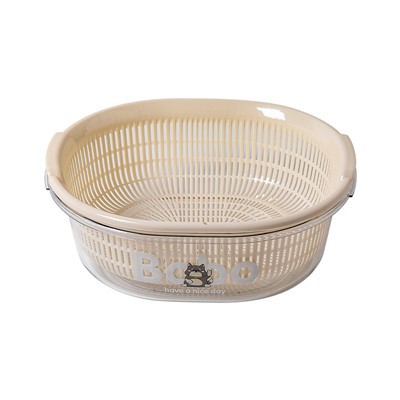
If you’re ready to stop dealing with flimsy containers that break or don’t seal, reach out to our team to discuss your needs. We can send over a sample set for you to test in your kitchen for a week—no pressure, just real-world testing like you would use in your own prep area.
Customized Folding Storage Basket References
- National Restaurant Association. (2022). Food Storage Best Practices for Commercial Kitchens.
- Food and Drug Administration (FDA). (2021). Food Contact Substances: Bisphenol A (BPA) Update.
- Commercial Kitchen Magazine. (2023). Reducing Food Waste Through Proper Storage Container Selection.
- Occupational Safety and Health Administration (OSHA). (2022). Workplace Safety for Food Service Staff, Including Spill and Slip Hazard Prevention.
Hangzhou Cheerhope New Materials Co., Ltd.
As one of the most professional sealable food containers manufacturers and suppliers in China, we offer a wide range of products with superior quality. Please rest assured to wholesale bulk durable sealable food containers made in China here from our factory. Contact us for more discount information.
Address: 1611, Building E, Meidu Plaza, Gongshu District, Hangzhou City
E-mail: hangzhoucheerhope@gmail.com
WebSite: https://www.chinastoragebox.com/
