If you’re here, chances are you either run a forging shop, keep an eye on furnace maintenance, or maybe you’re on our team and just here to geek out over thermal efficiency (no judgment—we’ve all been there). As a car-bottom forging furnace supplier, we work with shops across 12 states, and one question comes up more than any other: “How do I get my furnace to stop draining my wallet and start hitting those quality targets?” Car-Bottom Forging Furnace

It’s easy to think more power = better performance, but after 10+ years on the ground troubleshooting, installing, and retrofitting these furnaces, I’ll tell you: the magic’s not in cranking the dial to 11. It’s in small, smart tweaks that add up to huge savings. Last year, a shop in Ohio was throwing $14k/month in unnecessary energy costs because they’d ignored a tiny door seal issue. By fixing that, they cut 22% off their energy bills and reduced part rejects by 8%—all in 6 weeks. That’s the kind of win we live for.
Let’s break this down into stuff you can actually do, no fancy PhD required.
First, stop leaking heat through gaps. Your furnace’s doors, side panels, and those little inspection ports? They’re not airtight. Over time, gasket material crumbles, bolts loosen, and those gaps turn into heat escape routes. Even a 1/8-inch gap around a 10×12 door can waste as much energy as a space heater running 24/7. We recommend checking these seals every 3 months—don’t wait for a reject batch to notice. If your old gaskets are that crumbly gray stuff that falls apart when you touch it, swap them for high-temperature ceramic fiber ones. They last longer, seal better, and don’t get brittle when the furnace cycles hot. Pro tip: if you can hold a piece of notebook paper between a door and the frame and slide it around easily, that gap’s too big. Fix it before you hit “start” on your next production run.
Next, optimize the hearth loading. I see shops overpacking the car every single day because they think more parts = more output. But if you’re stacking parts so tight that air can’t circulate between them, you’re not only making the furnace work harder—you’re getting uneven heating. Some parts will be overheated (rusty or warped when they come out) and others underheated (rejected for failing forgeability). We work with a lot of mid-sized forges, and their sweet spot is usually 70-80% of the hearth’s total area. Leave 10-15% of space between parts, and arrange them so that hot air can flow freely around each one. A shop in Indiana used to load their 12×18 hearth with 48 crankshafts; they dropped that to 36, but their hourly output stayed almost the same because rejects went from 10% to 2%. Suddenly, their “lower” number meant higher quality, and they didn’t have to rework half their parts. That’s a win that shows up on your bottom line fast.
Then there’s the burner tuning thing—most people skip this, and it’s a mistake. If your burners are firing too much gas (rich burn) or too much air (lean burn), you’re wasting energy and making inconsistent heat. A rich burn leaves unburned gas sitting in the furnace, which builds up soot on the hearth and liners over time. Soot acts like insulation, which means your furnace has to run longer to reach set temp. A lean burn means you’re using more gas than you need to get enough heat. We recommend hiring a tech to tune your burners once a year, but if you want to do a quick check, look at the flame. A perfect flame is light blue, steady, and has a soft inner cone. If it’s yellow or has black tips, you’re off. We also installed digital burner controls on a lot of our new furnaces that adjust air-gas mix automatically, which takes the guesswork out. One client in Pennsylvania said their gas use dropped 18% after installing those controls—no more manual adjustments every shift.
Don’t sleep on insulation upgrades, especially if your furnace is over 10 years old. The original insulation might be getting compacted, or it’s the old-style refractory brick that’s not as good as modern ceramic fiber. If you can feel heat radiating off the outside of the furnace (not just through the doors, the walls too), that’s a sign the insulation’s shot. Last year, we retrofitted a 15-year-old furnace for a shop in Michigan. We stripped out the old brick, replaced it with high-density ceramic fiber panels, and sealed all the joints. After that, their exterior surface temp went from 180°F (that’s way too hot) to 95°F, and their cycle time cut by 12 minutes per load. That adds up to 1,000+ hours of extra production time a year—no new furnace needed. If your furnace is older than 8 years, this is one of the highest ROI moves you can make.
Cycle time is another big one. A lot of shops run their furnaces on a full schedule even if they only need half the production. If your forging line is down for an hour between shifts, don’t leave the furnace cranking at full temp. Set it to hold at a lower soak temp, not turn it off completely (turning it off and on too much stresses the burners and liners, which leads to breakdowns). That’s called a “setback cycle,” and it’s been game-changing for shops that run multiple shifts. A client in Ohio switched to setback a year ago, and their monthly electric/gas bill dropped by $11k. We’re not saying you should leave it at room temp—soak at 1,200°F instead of 2,200°F during downtime, and you’ll save energy without putting extra stress on the equipment.
Regular maintenance sounds boring, but it’s non-negotiable. We tell our clients: if you do 10 minutes of quick checks every week, you’ll avoid 10 hours of costly downtime a year. What’s on that check list? Wipe down the burners to remove soot (it clogs the ports and makes them fire unevenly), check the exhaust vent for blockages (a clogged vent means pressure builds up, which can damage seals and liners), and calibrate the temperature sensors monthly. I can’t tell you how many times a faulty sensor made a furnace run 200°F hotter than it was supposed to, wasting energy and ruining parts. Last quarter, a shop in Canada had a sensor go bad, and they didn’t notice for 2 weeks—they wasted $8k in gas and had 300 rejected parts. A $50 sensor calibration would’ve fixed that. If you don’t have a maintenance guy, we send our service techs every 6 months for a checkup—way cheaper than emergency repairs.
Oh, and if you’re still running a batch furnace with old controls? Think about retrofitting with a PLC (programmable logic controller). These let you set exact heating profiles for different parts—like a slow preheat for thick steel and a fast heat for small forgings. No more guessing, no more overheating. We retrofitted a 10-year-old car-bottom furnace with a PLC for a shop in Texas, and they cut their total cycle time by 15%, with a 5% increase in usable parts. The payback on that retrofit was less than 8 months—most of our clients make their money back in a year or less. We don’t push retrofits on every furnace, but if yours is showing signs of inconsistent heating, this is worth looking into.
Wait, let’s talk about something people rarely mention: atmospheric control. If you’re forging stainless steel or alloy parts, you need to control the atmosphere in the furnace to prevent scaling (that flaky rust on parts that makes them unforgeable). If you’re using too much protective gas (like nitrogen or argon), that’s a huge waste. Too little, and you get scaling. We work with clients to fine-tune gas flow based on part type and load size, not just run a fixed flow. A shop in Illinois was using 25% more nitrogen than they needed because their old control was set to a max flow. After tweaking that, their gas costs dropped $3,200 a month—no loss in part quality. It’s all about matching the gas supply to what you’re actually making.
Now, a few mistakes I see all the time that cost people money:
- Skipping the preheating step for the hearth. Wait, preheating the hearth itself, not just the parts. If you load cold parts into a cold hearth, the hearth absorbs heat, so you have to run the furnace longer. Preheat the hearth to 500°F before loading parts—cuts cycle time by 5-7 minutes, easy.
- Ignoring the exhaust system. If the exhaust fan is too weak or dirty, heat gets trapped, so your furnace has to work harder to keep temp. Clean the exhaust vent monthly—don’t wait for a error code.
- Using the wrong fuel type. If you’re on propane but natural gas is cheaper in your area, switching (with the right burner adjustments) can cut energy costs by 20-30%. We help a lot of shops make that switch, and it’s not as hard as people think.
Let’s wrap this up with a real example, no fluff. A forging shop in Detroit contacted us last year with a furnace that was running 20% over budget, had a 12% reject rate, and breakdowns every 3 weeks. We did a full walkthrough, found: a crumbling door seal, overloaded hearth, dirty burners, faulty temp sensor, and an exhaust vent half-blocked with dust. We fixed all those issues, adjusted the loading, tuned the burners, replaced the sensor, and cleaned the vent. 3 months later, they hit: 22% lower energy bills, reject rate down to 4%, only 1 breakdown in that 3 months, and they were able to take on a new order because their production was more reliable. That’s the kind of result we’re here to deliver.
Look, your car-bottom forging furnace is a workhorse, but it needs a little TLC and smart tweaks to perform its best. None of this is rocket science— it’s about paying attention to small details that most shops overlook. If you’re tired of throwing money at energy bills or dealing with part rejects, we can help. Whether you need a quick troubleshooting check, a retrofit, or a quote for a new furnace, our team knows car-bottom furnaces inside and out. We don’t do one-size-fits-all solutions—we work with your shop’s specific needs, budget, and production goals.
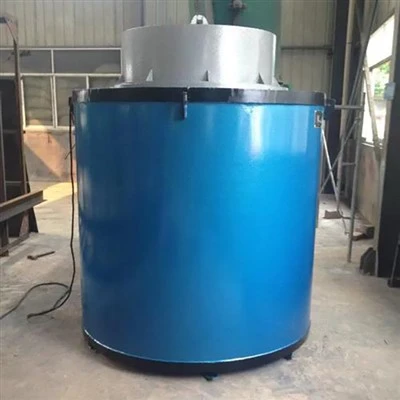
Don’t let your furnace hold you back. Let’s chat about how to get more out of your equipment. Reach out to our team, and we’ll schedule a free assessment to go over your current setup, spot inefficiencies, and map out a plan that works for you. We’re not here to sell you something you don’t need—we’re here to help you run a more profitable, smoother operation.
Car-Bottom Forging Furnace References
- American Forging Association. (2022). Energy Efficiency Best Practices for Forging Furnaces. Forging Industry Technical Report.
- Thermal Processing Magazine. (2021). “Seal Integrity and Energy Loss in Batch Furnaces.” Vol. 45, No. 3, pp. 22-27.
- National Institute of Standards and Technology (NIST). (2020). “Optimizing Hearth Loading for Uniform Thermal Processing of Forged Components.” NIST Technical Note 1987.
- Carbottom Furnace Manufacturers Association. (2023). Retrofit Guide for Older Batch Furnaces. Industry Practice Document.
Danyang Dingfeng Industrial Furnace Co., Ltd.
Danyang Dingfeng Industrial Furnace Co., Ltd. is one of the most experienced car-bottom forging furnace manufacturers and suppliers in China, also supports customized service with low price. Please feel free to wholesale high quality car-bottom forging furnace made in China here from our factory. For pricelist, contact us now.
Address: Lizhuang Economic Development Zone, Danyang City
E-mail: saleszk@dffurnace.com
WebSite: https://www.dffurnace.com/
