If you work in a factory that processes metal coils, plastic films, or paper rolls, industrial slitting machines are probably the backbone of your production line. They cut large, unwieldy master rolls into smaller, usable widths quickly and accurately—no one wants to fall behind on order timelines because a slitting process is running too slow or messy. But let’s be real: these machines are not toys. They’re heavy, have sharp rotating blades, and can cause serious injury if you skip basic safety steps. As a supplier of industrial slitting machines, I’ve worked with hundreds of factories over the last 10 years, and I’ve seen way too many near-misses and even bad accidents that could’ve been avoided with simple, consistent precautions. This isn’t just company policy talk—this is stuff I’ve picked up from floor supervisors, line operators, and even the few teams that messed up and had to take time off work. Industrial Slitting Machine
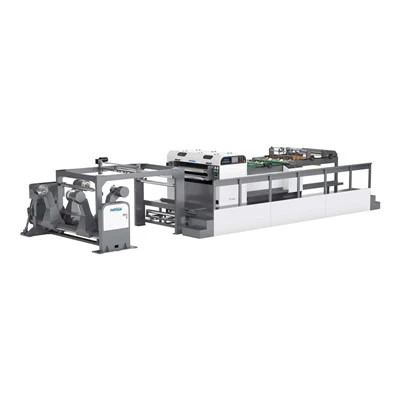
First off, let’s start with lockout/tagout (LOTO). I know, I know—sounds like a boring OSHA term, but it’s non-negotiable. Most slitting machine injuries happen when operators try to adjust the machine, clear a jam, or change blades while it’s still powered on. I once visited a small metal stamping shop where a guy reached in to yank a stuck piece of aluminum foil out of the slitting unit without hitting the emergency stop first. His glove got caught on the rotating shear blade, and he ended up with a bad tear on his hand. The shop didn’t have a formal LOTO process back then, and even though the machine had a big red E-stop, he panicked and skipped that step. Here’s the thing: LOTO isn’t just turning the machine off. After you power it down, you lock the power switch with your own personal lock (no shared keys) and hang a tag that says “DO NOT OPERATE” so no one accidentally flips it back on while you’re working. For slitting machines specifically, you also need to disconnect the air or hydraulic lines if they have those for tension control—if those still pressurize, the roll could shift unexpectedly. I always make sure to mention this to every new client when we install their machine, but even after a year, some teams cut corners. Remind your crew: if the machine is moving at all, even when it’s “idling,” it’s not safe to reach inside.
Next up, personal protective equipment (PPE)—and I’m not just talking about a hard hat. A lot of operators I see skip the small, important stuff because it’s hot in the factory or they’re in a rush. For slitting machine work, you need cut-resistant gloves, but not the fluffy kind that get caught on blades. We recommend the nitrile-coated Kevlar gloves—they’re thick enough to block cuts but flexible enough to work with controls. Eye protection is non-negotiable too: when you’re slitting plastic or thin metal, tiny shavings and fragments can fly up at 500 feet per minute. I had a client last year where an operator didn’t wear safety glasses, and a piece of copper foil shard hit his eye—he missed two weeks of work. Steel-toe boots are another no-brainer; slitting machine rolls can weigh thousands of pounds, and if one falls off the uncoiler, you don’t want it landing on a regular work shoe. Also, skip the loose clothes, hoodies, or jewelry. I once watched a guy’s watch get caught on a slitter’s feed roller—he tried to yank his arm free, and it pulled him halfway into the machine before someone hit the E-stop. It’s a small thing, but if your shirt’s hem is dragging, tuck it in. No necklaces, no dangling lanyards—even a keychain can turn into a hazard fast.
Then, there’s machine pre-use checks. You wouldn’t drive a car without checking the oil and brakes, right? Same with a slitting machine. Before every shift, or at least once a day, have your operator walk through a quick checklist. First, inspect the blades. Dull blades make the machine work harder, which can cause jams or kickback, and damaged blades (chipped edges, loose hardware) can break and fly out. I tell all our clients to use a blade gauge to check sharpness—if a blade can’t cut a piece of regular paper without tearing, it’s time to replace it. Next, check the uncoiler and rewind tension. If the uncoiler is too loose, the roll can shift sideways and hit the operator. If the tension is too tight, the material can snap, and that’s a sudden, violent motion. Also, check all the guards. Slitting machines have guards on the cutting zone, the feed rollers, and the rewind unit. If a guard is missing, broken, or propped open, stop using the machine until you fix it. A lot of operators prop guards open so they can see what’s going on inside, but that’s how fingers get pinched or clothing gets caught. We design our machines with interlocked guards that shut the machine off automatically if they’re opened, but those interlocks only work if they’re not disabled. Never bypass an interlock—even if it’s a hassle in the moment.
Handling the master rolls is another big area. These rolls are heavy—often 1,000 to 10,000 pounds—and moving them around the uncoiler requires forklifts or cranes. I’ve seen teams try to maneuver a roll by hand, and that’s a disaster waiting to happen. First, make sure the forklift has the right capacity for the roll. If a roll is 5,000 pounds, don’t use a forklift rated for 3,000 pounds. Also, never stand under a suspended roll while you’re securing it to the uncoiler. A few years back, a client’s crew was lifting a steel roll with a crane, and the sling slipped. The roll fell, and the operator was standing directly under it—he didn’t make it. That’s a preventable death. When you’re loading a roll onto the uncoiler, use two people to guide it, never one, and make sure the roll is centered before locking it in. If it’s off-center, it can wobble and cause the slitting blades to misalign, which ruins the product and can throw material at you. Also, store rolls properly when you’re not using them. Stacking rolls too high can make them topple over, so keep stacks low (no more than four high) and block them so they can’t roll away.
Operating the machine correctly is just as important as prep and handling. When you’re starting a new run, make sure all the settings are right before you hit the “start” button. Wrong width settings can make the slitting blades cut into each other, which damages the blades and can send shrapnel flying. Before you start, test the machine with a scrap piece of material first. That way, if the tension is off or the blade alignment is wrong, you don’t have to waste good material—and you don’t have to deal with the machine running at full speed while something’s wrong. When the machine is running, stay within arm’s reach of the E-stop button. A lot of operators walk away to check another line, and if a jam happens while they’re gone, it can turn into a big mess fast. If you have to step away, hit the stop button first. Never reach into the machine while it’s running to adjust the material. If there’s a small wrinkle or a piece sticking up, hit stop, lockout/tagout, then fix it. I know it’s tempting to just reach in and tuck it, but that’s how accidents happen. Also, don’t let untrained people operate the machine. I’ve seen temp workers get put on slitting line without any training, and they don’t know the risks. Make sure every operator has hands-on training with a qualified trainer, and that they pass a safety test before they run the machine alone.
Maintenance is something that gets put on the back burner, but it’s critical for safety. Slitting machines have moving parts—gears, rollers, blade shafts—that need to be lubricated and checked regularly. If parts are worn, they can break unexpectedly. We recommend a monthly maintenance check for regular use, and a full annual service with our technicians. During maintenance, make sure to lockout/tagout the machine first, same as when you’re working on it. Don’t just turn it off and walk away—lock it. Also, keep the machine clean. Material shavings, dust, and oil can build up on the moving parts, which can cause the machine to jam or slip. Wipe down the machine at the end of every shift, and don’t let trash pile up around the base of the uncoiler or rewind unit. A lot of factories have a “clean as you go” policy, and it’s not just about being tidy—it’s about safety.

Now, I know some of you reading this might think, “I’ve been running slitting machines for 20 years, I don’t need to follow all these rules.” But here’s the thing: every accident is different, and complacency is the biggest risk. I’ve talked to operators who thought they “knew it all” and skipped lockout/tagout, and they’re the ones who got hurt. As a supplier, we don’t just sell machines—we offer safety training, too, because we care about our clients’ teams going home at the end of the day. If you’re in the market for a new slitting machine, or you want to upgrade your current one to have better safety features (like improved interlocks, easier E-stop access, or guard sensors), feel free to reach out to our team. We can walk you through the different options, and even schedule a training session for your operators to go over all these precautions in person. Don’t wait for an accident to make safety a priority—small steps now save lives and keep your production running smoothly.
Industrial Slitting Machine References
- OSHA, 29 CFR 1910.212, General Requirements for All Machine Guarding
- National Safety Council, “Preventing Workplace Injuries in Material Processing Facilities”
- Machine Safety Association, “Lockout/Tagout Best Practices for Industrial Machinery”
- American National Standards Institute, “Safety Requirements for Industrial Slitting Machines”
Honghui Machinery Equipment Co., Ltd.
As one of the most professional industrial slitting machine manufacturers in China, we have world-leading production equipment and strong manufacturing capabilities. Please rest assured to buy advanced industrial slitting machine made in China here from our factory. We also accept customized orders.
Address: No. 28, Liuheng Road, Changping Town, Dongguan City, Guangdong Province, China
E-mail: Steve@cnhohui.com
WebSite: https://www.cnhohui.com/
