Hey there, folks! I’m in the business of supplying jaw plates, and one question I get all the time is, "Can I use jaw plates from different manufacturers interchangeably?" Well, let’s dive right into this topic and see what’s what. Jaw Plates
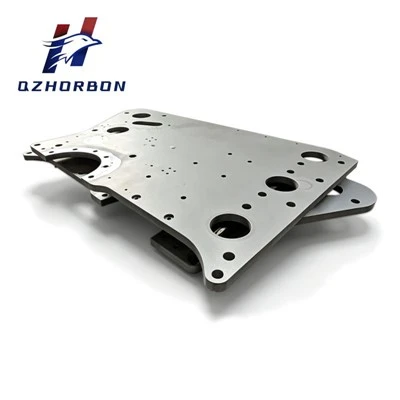
First off, let’s understand what jaw plates are. Jaw plates are a crucial part of jaw crushers. They’re the ones that do the heavy – lifting, or rather, the heavy – crushing. When a jaw crusher is working, the movable jaw plate moves back and forth against the fixed jaw plate, squeezing and breaking down rocks, ores, and other materials. You can imagine the kind of stress and wear these plates go through.
Now, here’s the deal on using jaw plates from different manufacturers interchangeably. In theory, if the physical dimensions of the jaw plates match up, it might seem like you could swap them out. But in reality, it’s not that simple.
Physical Dimensions
Let’s start with the physical aspects. The most obvious thing to check is whether the dimensions of the jaw plates are the same. You need to measure things like length, width, height, and the hole patterns for mounting. If a jaw plate from Manufacturer A has a different length or if the mounting holes are in slightly different positions compared to the ones from Manufacturer B, it might not fit properly in your crusher.
Even a small difference in dimensions can cause big problems. For example, if the jaw plate is a bit too wide, it might not fit into the crusher’s frame correctly. This could lead to uneven wear on the plate, and it might even cause the crusher to malfunction. Also, if the mounting holes don’t line up, you won’t be able to secure the jaw plate properly, which is super dangerous. The plate could come loose during operation, and that’s a recipe for disaster.
Material and Quality
Another huge factor is the material and quality of the jaw plates. Different manufacturers use different materials to make their jaw plates. Some use high – manganese steel, which is known for its toughness and resistance to wear. Others might use alloy steels with different chemical compositions.
The quality of the manufacturing process also varies a lot between manufacturers. A well – made jaw plate will have a uniform hardness throughout, and it will be less likely to crack or break during use. On the other hand, a poorly made jaw plate might have weak spots, and it could fail prematurely.
If you mix and match jaw plates from different manufacturers, you’re essentially combining different materials and qualities. This can lead to uneven wear. For instance, if one jaw plate is made of a harder material than the other, the softer plate will wear out much faster. This not only means you’ll have to replace the worn – out plate more often, but it can also affect the overall performance of the crusher. The crusher might not crush the materials as efficiently, and it could even cause more stress on the other components of the machine.
Compatibility with the Crusher
Jaw crushers are designed to work with specific types of jaw plates. The manufacturer of the crusher usually has a set of specifications for the jaw plates that are compatible with their machine. These specifications take into account things like the crusher’s power, the type of materials it’s meant to crush, and the operating conditions.
If you use a jaw plate from a different manufacturer that doesn’t meet these specifications, it could cause problems. For example, if the crusher is designed to work with a certain weight and balance of the jaw plates, using a different one might throw off the whole system. This could lead to vibrations, which not only make the crusher noisy but can also damage the bearings and other parts of the machine over time.
Cost – Benefit Analysis
Now, I know some of you might be thinking about cost. Maybe you found a cheaper jaw plate from another manufacturer, and you’re tempted to give it a try. Well, it’s important to do a cost – benefit analysis. Sure, the initial cost of the jaw plate might be lower, but if it wears out quickly or causes problems with your crusher, you could end up spending more in the long run.
You’ll have to factor in the cost of replacement, the downtime of your crusher when you’re changing the plates, and any potential damage to the crusher itself. Sometimes, it’s worth paying a little more for a high – quality jaw plate that’s specifically designed for your crusher.
My Experience as a Supplier
As a jaw plate supplier, I’ve seen it all. I’ve had customers come to me with problems after trying to use jaw plates from different manufacturers interchangeably. One time, a customer had a crusher that kept vibrating excessively. After some investigation, we found out that they had installed a jaw plate from a different brand that didn’t match the original specifications. The vibrations were causing the bearings to wear out much faster, and they had to replace the bearings several times before they realized the root of the problem.
On the other hand, I’ve also had customers who followed the manufacturer’s recommendations and used the right jaw plates. They’ve had fewer problems, and their crushers have been running smoothly for a long time.
So, Can You Do It?
In general, it’s not a good idea to use jaw plates from different manufacturers interchangeably. It’s always best to use jaw plates that are specifically designed for your crusher. If you’re not sure which jaw plates are right for your machine, you can always consult the crusher’s manufacturer or a professional like me.
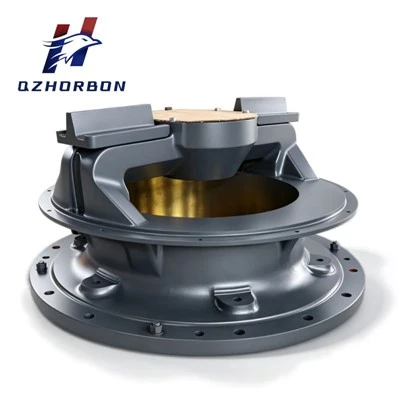
We have access to detailed specifications and can help you find the perfect jaw plates for your needs. And if you’re looking for high – quality jaw plates, well, that’s where I come in. I’ve been in this business for a long time, and I know what it takes to provide top – notch products.
Let’s Talk
Crusher Rotor If you’re in the market for jaw plates, or if you have any questions about jaw plate compatibility, don’t hesitate to reach out. I’m here to help you make the best decision for your crusher. Whether you’re a small – scale operation or a large mining company, I’ve got the products and the expertise to meet your needs. Let’s start a conversation and see how we can work together to keep your crushers running at their best.
References
- "Crushing Equipment Handbook", Industry – standard guide on crushers and related parts
- "Materials Science for Mining Equipment", Academic publication on the materials used in mining machinery components
Quzhou Horbon Mining Parts Co., Ltd.
Address: No.8 Nanshan Road, Qujiang District, Quzhou City, Zhejiang Province, China
E-mail: horbonmining@gmail.com
WebSite: https://www.horbonmachinery.com/
