Hey there! If you’re a farmer, agronomist, or anyone deep in the soil health game, you’ve probably stared at a soil nitrogen test result and thought… “How much do I actually trust this?” I get it—when you’re dropping cash on inputs, you can’t afford to make a call based on a number that might be off. As someone who’s been in the soil analysis instrument supply space for over a decade, I field this question every single day. Let’s break this down straight, no jargon fluff, and call it like it is. Soil Analysis Instruments
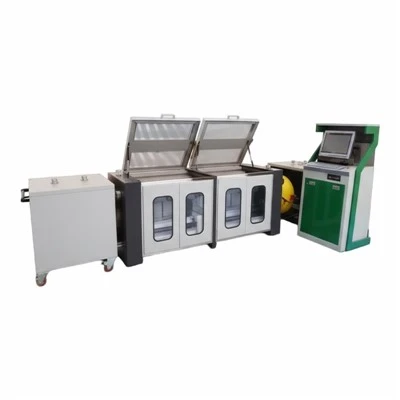
First off, let’s cut to the chase: soil nitrogen analysis instruments are accurate enough for most real-world use cases—if you’re using the right tool for the job, following the steps, and not expecting lab-level precision out of a pocket-sized device. That said, accuracy isn’t a one-size-fits-all thing. It depends on so many variables, and a lot of the “bad” test results people blame on the instrument are actually user error or sample mess-ups, not the machine itself.
Let’s start with the two main types of nitrogen you’ll hear about because that’s where a lot of confusion starts. There’s mineral nitrogen (ammonium and nitrate)—this is the stuff plants actually use right now, super dynamic, changes daily with rain, fertilizer, or even microbial activity. Then there’s total nitrogen, which is all the nitrogen in the soil, locked up in organic matter, and that breaks down over months or years. Instruments are built to measure one or both, and mixing them up is a huge mistake. For example, a portable nitrate meter isn’t going to give you a reliable total nitrogen number—full stop.
Now, let’s talk about instrument categories, because that’s where the accuracy gap shows up loud and clear. Let’s go from the smallest, most user-friendly to the big lab workhorses, and I’ll be honest about their pros and cons.
First up: handheld or portable nitrogen meters. You’ve seen these—palm-sized, snap a probe into the soil, get a reading in 2 minutes. These are great for quick, on-site checks, like confirming if a patch of corn is low on nitrate mid-season so you can side-dress fertilizer fast. But how accurate are they? Typically, within 10-15% of the lab’s results for mineral nitrogen, when used right. Wait, 10-15%—some of you are side-eyeing that, but let’s put that in perspective. If a lab says your field has 25 lbs of nitrate per acre, that’s 21-29 lbs for the portable. For side-dressing, that’s close enough—you’re not blowing your budget, you’re not over-fertilizing and polluting, you’re making a call that works. But where these fall short? Total nitrogen, and any soil with weird textures or high organic matter. If your soil is super sandy, or has a lot of peat, the probe might give a wonky reading because the moisture content throws off the sensor. I’ve seen farmers skip calibrating their handheld and blame the machine when the numbers are off—calibration with a standard solution every 3 months is non-negotiable, even for a portable.
Next: benchtop field instruments. These are the step up from handheld—bigger, can handle more samples, measure both mineral and total nitrogen, and usually use colorimetric tests (you mix soil extract with a reagent, stick it in the machine, and it reads the color change). Accuracy here jumps to around 5-8% compared to a reference lab. These are perfect for small farms, ag retail stores, or extension services that process 50-100 samples a week. The downside? They need a bit more setup—you have to extract the soil (mix it with water or KCl solution, filter it), so it’s not as 2-minute-fast as a handheld. But here’s the thing: most users think benchtop is like a lab, but it’s not. The extraction step is where a lot of error creeps in. If you don’t shake the soil and solution long enough, or filter out all the debris, the reagent reacts with dirt particles and messes up the color reading. I had a client last year who was getting 20% lower numbers than a local lab, and it turned out he was filtering with coffee filters instead of the proper 0.45um membrane filters—duh, coffee filters let tiny particles through, and the machine couldn’t tell the difference between that and nitrate.
Then we have the reference lab nitrogen analyzers—the big boys. These are the ones that run the AOAC-approved methods (that’s the gold standard for food and agriculture testing) like the Kjeldahl method for total nitrogen, or cadmium reduction for nitrate. Accuracy here is within 1-3%—they’re basically the “truth” we compare all other instruments to. But they’re not perfect for everyone. They’re $50k+, need a trained chemist to run them, process samples in batches (so no same-day results), and they’re overkill if you just need to test your 10-acre vegetable plot once a season. Most farmers don’t need this level of precision, and paying for it is a waste of money.
Okay, so now that we’ve talked about instrument types, let’s get to the factors that actually affect accuracy way more than the machine itself. This is the part that surprises people: 70% of “inaccurate” nitrogen test results I see are from sample handling, not the instrument.
First, sample collection. If you just stick a probe in one spot in your field and call that the result, you’re doing it wrong. Soil is patchy—one spot might be a foot from a fertilizer band, another might be low, another might have a dead tree stumping it. The rule of thumb is 10-15 cores per 10 acres, mix them all together, pull out a subsample, and test that. I had a corn farmer in Iowa call me last month saying his handheld said 10 lbs nitrate per acre, so he fertilized, only to find his neighbor’s test said 25 lbs. Turns out he took all his cores from the low spot near the drainage ditch, which was actually waterlogged and had lost nitrogen to leaching. That’s sample bias, not instrument error.
Moisture content is another big one. Nitrate is super soluble—if your soil sample is too wet, or too dry, the reading is off. For mineral nitrogen tests, you’re supposed to adjust for moisture, or bring the sample to a standard moisture level before testing. If you run a dry sample through a portable nitrate meter, it’ll read low because there’s less nitrate dissolved in the soil solution. If you run a waterlogged sample, it might read high because rain washed extra nitrate from topsoil into your cores. I always tell clients: collect samples when the soil is moist enough to crumble in your hand, not soggy, not dust-dry.
Then there’s cross-contamination. If you test a high-nitrogen sample (like a spot where you spread manure) right after a low one, and you don’t clean the probe or the benchtop cuvette, you’re going to get a mixed reading. Handheld probes can hold residue in the tip if you don’t wipe them with a damp cloth between samples—super easy fix, but so many people skip it.
Wait, what about newer tech? I’ve been following the sensor tech for nitrogen, and there’s a lot of hype around things like NIR (near-infrared) spectroscopy, which can test total nitrogen without any sample prep, right there in the field. How accurate is that? Currently, NIR nitrogen meters are around 8-12% accurate for total nitrogen, and they’re getting better every year. But they need a calibration curve specific to your soil type—if the curve is built for loam, it’ll be off if you use it on sand or clay. I worked with a vineyard client in Oregon who bought an NIR meter that worked great for their loamy topsoil, but when they used it on the rocky, sandy subsoil of their new block, the readings were way off. Turns out the supplier didn’t calibrate it for their site, just shipped it with a generic curve. That’s not the instrument’s fault—that’s user (or bad supplier) error.
Now, let’s talk about when accuracy really matters. If you’re a large-scale corn or wheat farmer doing variable-rate fertilization, you don’t need 1% accuracy—you need consistent, repeatable results that let you see where the low spots are. A portable meter that’s within 15% is perfect for that, because you’re comparing readings across your field, not getting an exact number. If you’re a small organic farmer, you might care more about total nitrogen to plan cover crops, so a benchtop colorimetric instrument is more than accurate enough. The only time you need lab-level 1% accuracy is if you’re selling your crops with nitrogen-related quality specs, like for a specialty grain contract, or if you’re doing research. For everyone else, that’s overkill.
I also want to address a common myth: “if it’s digital, it’s accurate.” Nope. I’ve seen $1,000 handheld meters that are garbage because the calibration is off, and $5,000 benchtops that are spot-on when used right. It’s not about the price tag, it’s about matching the instrument to your use case, following the protocol, and maintaining it. I tell every client of mine: buy the cheapest instrument that does exactly what you need, not the fanciest one. Don’t get a total nitrogen meter if you only need to check mid-season nitrate.
Wait, let’s throw in a real example to make this concrete. Last year, a client had two instruments: a portable handheld, and a benchtop, plus he sent samples to a lab every month for comparison. For 12 months, the portable was within 12% of the lab’s nitrate numbers, the benchtop was within 7%. Then he started skipping calibration on the handheld, and stopped cleaning the probe between samples. After that, the portable was within 25% of the lab, and the benchtop started getting wonky when he used unfiltered extracts. Once he fixed those two simple things, the handheld was back to within 10% again. That’s the story of 90% of the “inaccurate” instruments I run into.
So, wrapping this up: are soil nitrogen analysis instruments accurate? Yes, when used correctly, for their intended purpose, with proper samples and maintenance. The accuracy range spans from 10-15% for portable on-site tools, 5-8% for benchtop field instruments, and 1-3% for reference lab analyzers. The biggest factors that throw readings off aren’t the machine—they’re user error with sampling, calibration, sample prep, and maintenance.
At the end of the day, the goal of soil nitrogen testing is to help you make smarter fertilizer decisions, save money, and cut down on environmental impact. You don’t need lab precision to do that—you need reliable, repeatable numbers that match what’s actually happening in your field. If you’re in the market for a soil nitrogen analyzer, and you’re not sure which one fits your operation, or you’ve been getting weird readings and want to troubleshoot, reach out to our team. We don’t sell one-size-fits-all tools—we help you pick the right instrument for your farm size, crop type, and how often you need to test. We also offer free calibration guides, sample handling tips, and quick support if your numbers seem off. Let’s cut through the confusion and get you the tools that work for you.
Cement Testing Instrument References:
- Dorich, R. A., & Nelson, D. W. (1983). Practical aspects of soil nitrogen determination. Soil Science Society of America Journal.
- Millikan, C. R. (1997). Field testing of portable nitrate sensors for agricultural use. Precision Agriculture.
- AOAC International. (2019). Official Method 920.03: Total Nitrogen in Soil, Kjeldahl Method.
- Viscarra Rossel, R. A., et al. (2016). Soil spectroscopy: Predicting soil properties from the visible to near-infrared spectrum. Advances in Agronomy.
Hebei Wanluda Testing Instrument Equipment Co., Ltd.
As one of the most professional soil analysis instruments manufacturers and suppliers in China, we have world-leading production equipment and strong manufacturing capabilities. Please rest assured to buy advanced soil analysis instruments made in China here from our factory.
Address: Zhouguantun Village, Xian County, Cangzhou City, Hebei Province, P.R.China
E-mail: wldinstrument@163.com
WebSite: https://www.wldinstrument.com/
