Hey there! I’m a supplier of PPR water pipes, and today I wanna chat about a hot topic: Can PPR water pipes be recycled? PPR Water Pipe

What Are PPR Water Pipes?
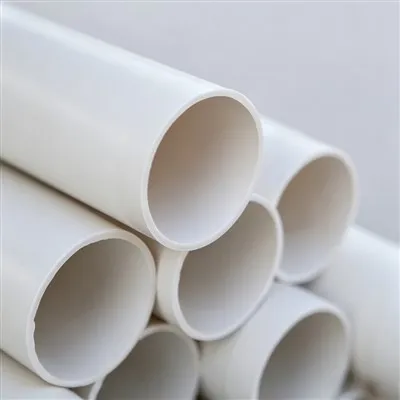
First things first, let’s quickly go over what PPR water pipes are. PPR stands for polypropylene random copolymer. These pipes are super popular in plumbing systems ’cause they’re lightweight, corrosion – resistant, and have great heat insulation properties. They’re commonly used in residential and commercial buildings for transporting both hot and cold water.
Why Recycling Matters
Recycling is a big deal these days. We’re more aware than ever of our environmental impact, and finding ways to reduce waste is crucial. When we recycle, we save natural resources, cut down on energy consumption, and reduce the amount of waste ending up in landfills. For us PPR pipe suppliers, it also means we can potentially create a more sustainable supply chain and meet the growing demand from eco – conscious customers.
The Recycling Process of PPR Water Pipes
So, can PPR water pipes be recycled? The short answer is yes. Here’s how the recycling process generally goes:
1. Collection
The first step is collecting the used PPR pipes. This can come from construction sites during building renovations or demolitions, or from plumbing repairs in homes and commercial buildings. Sometimes, we suppliers even set up collection programs to encourage customers to return their old pipes to us.
2. Sorting
Once the pipes are collected, they need to be sorted. This is important ’cause we only want pure PPR pipes in the recycling stream. There might be other types of plastic pipes or contaminants mixed in, and we gotta separate them out. Workers usually do this visually, but sometimes they use machines to help speed up the process.
3. Cleaning
After sorting, the PPR pipes are cleaned. They’re washed to remove any dirt, debris, or chemicals that might be sticking to them. This cleaning step is really important to ensure the quality of the recycled material.
4. Shredding
Once the pipes are clean, they’re shredded into small pieces. These small pieces are easier to melt down and process further. The shredders are powerful machines that can turn the pipes into tiny plastic chips.
5. Melting and Re – extrusion
The shredded PPR chips are then melted in a heating machine. The melted plastic is then re – extruded into new PPR pipes or other plastic products. This process uses less energy compared to producing new PPR pipes from raw materials.
Challenges in Recycling PPR Water Pipes
While it’s possible to recycle PPR water pipes, there are some challenges.
1. Contamination
One of the biggest problems is contamination. Sometimes, the pipes might be mixed with other types of plastics or have substances like paint or glue on them. This can make the recycling process more difficult and can lower the quality of the recycled material.
2. Collection Infrastructure
Setting up a good collection infrastructure is tough. It takes time and money to organize collection points and collect the used pipes from different locations. Not all areas have a well – established system for collecting PPR pipes, which means a lot of them still end up in landfills.
3. Market Demand for Recycled PPR
There also needs to be a market demand for recycled PPR products. Some customers might be hesitant to use recycled pipes because they’re worried about the quality. As suppliers, we need to work on building trust and showing that recycled PPR pipes can be just as good as new ones.
Benefits of Recycling PPR Water Pipes
Despite the challenges, there are plenty of benefits to recycling PPR water pipes.
1. Environmental Benefits
Recycling PPR pipes reduces the amount of plastic waste in landfills. It also saves energy, as producing recycled PPR uses less energy than making new pipes from scratch. This helps in reducing our carbon footprint and conserving natural resources.
2. Cost – Savings
For us suppliers, recycling can lead to cost – savings. We can use recycled materials to make new pipes, which can be cheaper than using all new raw materials. This cost – savings can also be passed on to the customers, making our products more affordable.
3. Meeting Customer Expectations
More and more customers are looking for sustainable products. By offering recycled PPR pipes, we can meet these customer expectations and attract a larger customer base. It also helps us build a good reputation in the market as an environmentally – friendly company.
How We’re Addressing the Challenges
As a PPR water pipe supplier, we’re taking steps to address the challenges in recycling.
1. Improving Collection
We’re working on setting up more collection points in different areas. We’re also partnering with construction companies and plumbing contractors to encourage them to return the used pipes to us.
2. Educating Customers
We’re educating our customers about the benefits of recycled PPR pipes. We’re showing them that these pipes have the same quality and performance as new ones. We’re also providing information about how recycling helps the environment.
3. Quality Control
We have strict quality control measures in place during the recycling process. We make sure that the recycled PPR pipes meet the same industry standards as new pipes. This helps in building trust with our customers.
Conclusion
So, to sum it up, yes, PPR water pipes can be recycled. While there are challenges, the benefits are significant. As a supplier, we’re committed to promoting recycling and making it a viable option for our customers. We believe that by working together, we can create a more sustainable future for the plumbing industry.
PPR Pipe If you’re in the market for PPR water pipes, whether new or recycled, we’d love to talk to you. We can offer you high – quality products and great service. Don’t hesitate to reach out to us for a chat about your plumbing needs and how we can help.
References
- Dorn, S., & Krug, H. P. (2007). Recycling aspects of polyolefin pipes. In Proceedings of the 3rd International Conference on Polyolefins in Pipe Applications (pp. 1 – 10).
- European Plastic Pipes and Fittings Association. (2020). Recycling of plastic pipes in Europe. Retrieved from relevant industry reports.
Hebei Ruijie Pipe Industry Co., Ltd.
Address: Industrial Park, Shaozhuang Township, Suning County, Cangzhou City, Hebei Province
E-mail: 1987870474@qq.com
WebSite: https://www.rjpprpipe.com/
