Hey there! I’m a supplier of PP formwork, and I’ve been thinking a lot lately about how commonly PP formwork is used in developing countries. So, I decided to dive into it and share my thoughts and findings with you. PP Formwork
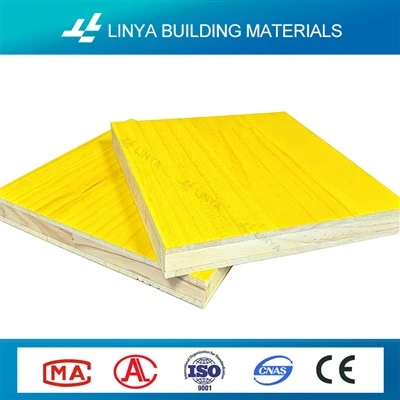
First off, let me tell you a bit about PP formwork. PP stands for polypropylene, and this type of formwork is made from a high – strength plastic material. It’s lightweight, which makes it super easy to handle and transport. You don’t need a huge crew or heavy machinery to move it around on a construction site. Plus, it’s reusable. You can use it multiple times for different construction projects, which is a big cost – saver in the long run. It also has good resistance to chemicals and moisture, which means it won’t rot or get damaged easily in different environmental conditions.
Now, when it comes to developing countries, there are a few factors that can influence whether PP formwork is commonly used or not.
Cost – effectiveness
One of the biggest advantages of PP formwork in developing countries is its cost. In these countries, construction projects often have tight budgets. Traditional formwork materials like wood or steel can be quite expensive. Wood needs to be sourced, and with the increasing concerns about deforestation, the cost of good – quality wood is rising. Steel formwork, on the other hand, requires a significant initial investment in terms of purchasing and maintaining it.
PP formwork, however, is relatively cheap to produce. The raw material, polypropylene, is abundant, and the manufacturing process is not overly complex. Since it’s reusable, the cost per use goes down significantly. For example, a small – scale construction company in a developing country that’s building affordable housing can really benefit from using PP formwork. They can save a lot of money on formwork costs, which can then be put into other aspects of the project, like improving the quality of building materials or adding more amenities.
Ease of Use
As I mentioned earlier, PP formwork is lightweight. In developing countries, labor – intensive construction methods are still quite common. Workers may not have access to high – tech construction equipment all the time. With PP formwork, they don’t need it. A couple of workers can easily carry and assemble the formwork. It doesn’t require special skills either. The formwork usually comes in modular pieces that can be quickly put together and taken apart.
Let’s say you’re building a simple, low – rise building in a rural area of a developing country. The local workers can handle the PP formwork with ease. They can set it up during the day and take it down when the concrete has set, all without any major complications. This ease of use also means that construction projects can be completed faster. In developing countries where there’s often a high demand for new buildings, being able to speed up the construction process is a huge plus.
Adaptability to Local Conditions
Developing countries have a wide range of environmental conditions. Some areas are very humid, while others are extremely dry. Some are prone to floods or earthquakes. PP formwork can handle these different conditions well. As I said, it’s resistant to moisture, so in humid areas, it won’t get moldy or rot like wooden formwork.
In earthquake – prone regions, the lightweight nature of PP formwork is an advantage. It reduces the overall weight of the structure during construction, which can be a safety benefit. And since it’s modular, it can be easily adjusted to fit different building designs. Whether you’re constructing a small family home or a large commercial building, PP formwork can be customized to meet your needs.
Challenges in Developing Countries
However, it’s not all sunshine and rainbows. There are some challenges that prevent PP formwork from being even more commonly used in developing countries.
One big challenge is awareness. Many contractors and construction workers in these countries are used to traditional formwork materials. They’ve been using wood or steel for years, and they’re not aware of the benefits of PP formwork. They may be hesitant to try something new, especially if they’re not sure how it will perform.
Another issue is the distribution network. In some developing countries, the infrastructure for transporting and supplying construction materials is not well – developed. Getting PP formwork to remote construction sites can be difficult. There may not be reliable transportation options, and the cost of shipping can be high, which eats into the cost – savings of using the formwork in the first place.
Case Studies
To better understand the situation, let’s look at a couple of case studies. In India, there’s been a growing trend of using PP formwork in some of the larger construction projects. Big cities like Mumbai and Delhi are seeing more and more developers opting for PP formwork for high – rise buildings. The local construction industry has started to recognize its benefits in terms of cost and speed of construction.
On the other hand, in some African countries, the use of PP formwork is still limited. For example, in a small – scale construction project in a rural area of Kenya, the local contractors were not familiar with PP formwork. They stuck to using traditional wooden formwork because that’s what they knew. But if they were given the opportunity to try PP formwork and see its advantages, things could change.
Conclusion
So, is PP formwork commonly used in developing countries? Well, it depends. In some areas, especially where there’s more awareness and better infrastructure, it’s starting to gain popularity. But overall, there’s still a long way to go.
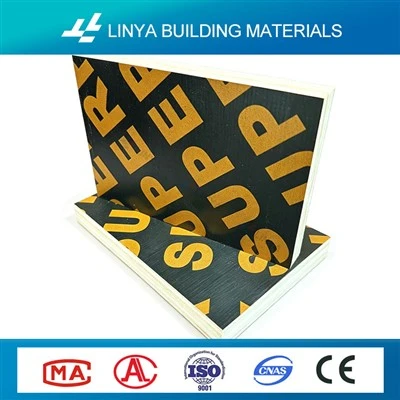
I believe that with more education and better distribution channels, PP formwork has the potential to become much more widely used in developing countries. It can help these countries build better, faster, and more affordably.
Plastic Formwork If you’re involved in a construction project in a developing country and you’re looking for a cost – effective and reliable formwork solution, I’d love to talk to you. Whether you’re a contractor, a developer, or an architect, I can provide you with high – quality PP formwork and all the support you need. Just reach out, and let’s discuss how we can make your construction project a success.
References
- Construction Industry Reports from various developing countries
- Research papers on sustainable construction materials in developing regions
- Interviews with local contractors and construction workers in different developing countries
Shenzhen Linya Building Materials Co., Ltd.
We are one of the most professional pp formwork manufacturers and suppliers in China, also support customized service. Welcome to buy bulk high quality pp formwork in stock here from our factory. If you have any enquiry about free sample, please feel free to email us.
Address: Bantian International Center, No.5 Huancheng South Road, Ma’antang Community, Bantian Street, Longgang District, Shenzhen
E-mail: linya@formworksteelprop.com
WebSite: https://www.linyabuildingmaterials.com/
